
Social media recruitment is no longer a new trend. It has become one of the most widely used talent acquisition tactics. Since most people use at least one platform daily, it makes sense to meet them where they already spend time. Using social media platforms for recruitment helps you reach both active and passive candidates and gives you more opportunities to attract and hire new job candidates.
In this blog, we will define social media recruitment, explain why it works so well today, and show how you can use social media platforms for recruitment to reach the right candidates, strengthen your employer brand, and improve hiring results. We will also cover practical best practices you can apply right away without adding complexity to your process.
📚 Before we move forward, check out our article: 7 Points Every Social Media Policy Must Include.
Engage your employees in social media recruitment with the proper employee advocacy platforms
Social Media Recruitment Defined
Social recruiting is the method recruiters use to find candidates through social media platforms. It is also referred to as social media recruiting, social hiring, and social recruitment.
Besides just recruitment, social media is heavily used in employer branding. These channels help employers spread the word about their employee value proposition and optimize their inbound recruitment efforts.
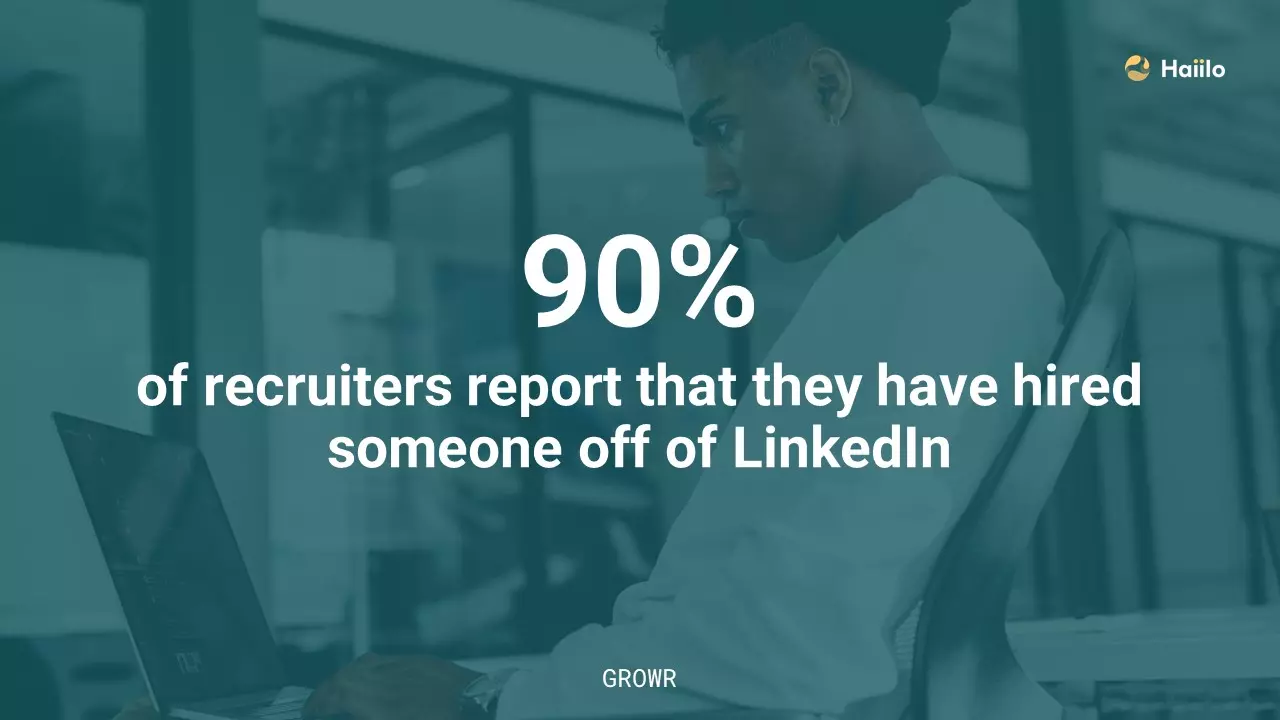
With the consistent increase of social media usage, social media recruitment has been gaining on its popularity among talent acquisition platform professionals. This is not surprising as nearly three-quarters of workers between the ages of 18-34 found their most recent job via social media. Moreover, nearly 90% of recruiters report that they have hired someone off of LinkedIn.
Organizations with well-structured social recruitment strategies are more likely to reach passive job seekers, better showcase their company culture, save money on job advertising, better target candidate personas, and get more referrals. By using the right social media platforms for recruitment, you can connect with talent where they already spend time instead of waiting for them to come to you.
Why Should Every Company Use Social Media for Recruitment
If you’ve ever wondered how to find new employees, leveraging social media in recruitment has many benefits. For many employers, social media platforms for recruitment have become a primary source of qualified candidates. This is because social media hiring helps recruiters and talent acquisition teams target the right audience, start conversations earlier, and stay visible throughout the candidate journey.
So let’s take a look into some of the main benefits of social recruiting and how they help you hire more effectively.
1. Reach passive job seekers
Passive job seekers are people who are not actively looking for opportunities but would consider a better offer. These people rarely visit job boards or company career pages, which makes them harder to reach through traditional channels.
Because there are many more passive than active job seekers, employers need ways to engage both groups. Social media platforms for recruitment make this possible by putting your roles directly into people’s daily feeds. Instead of waiting, you can spark interest with relevant content, employee stories, or targeted ads. Research shows that a large share of the global workforce is passive, which makes this approach essential rather than optional.
2. Hire high-quality candidates
Because of the ability to reach both passive and active job candidates, social media is also a strong source of high-quality applicants. It allows you to engage people before they apply, giving them a clearer picture of your company and role.
Paid social media ads also enable recruiters to target very specific audiences and hire people who fit their organizational culture. You can define criteria such as skills, experience, interests, and even behaviors. This reduces irrelevant applications and helps you focus on candidates who are more likely to succeed and stay longer.
3. Reduce time and cost per hire
Recruiters who use social media for hiring often spend fewer resources and fill roles faster than those relying only on traditional channels.
Compared to job boards, advertising on social media can be more cost-effective and flexible. You can adjust campaigns in real time and focus budget on what works. Reaching better-matched candidates early shortens the hiring process and reduces back-and-forth. In addition, many candidates now turn to social platforms and professional networks first when exploring new roles, making them a key touchpoint in modern hiring journeys.
4. Showcase your employer brand
Candidates want more than a job description. They want to understand what it feels like to work at your company.
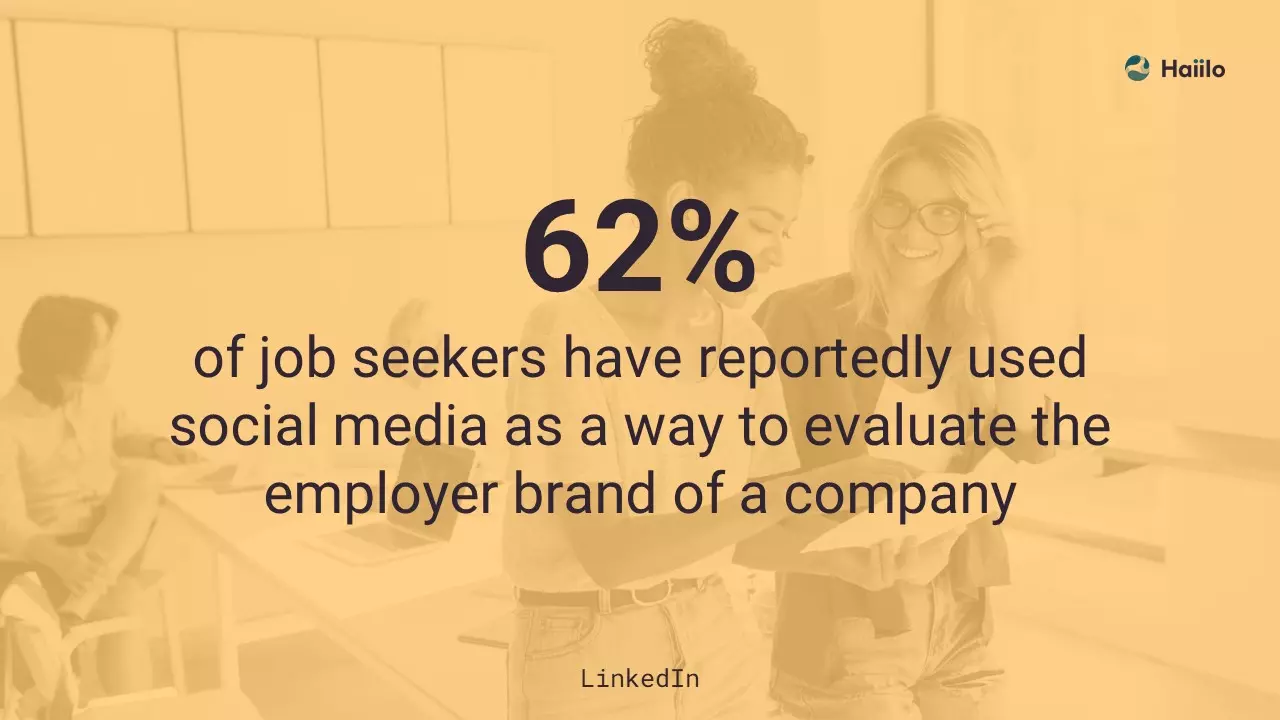
That is where social media platforms for recruitment stand out. You can share behind the scenes insights, employee stories, team moments, and leadership perspectives. This builds trust before someone even applies. According to research, many candidates research a company’s reputation before applying, and social media is one of the first places they look. A strong presence helps you stand out and gives candidates a reason to choose you over competitors.
This is why social media isn’t just a good hiring channel. It is also one of the most effective employer branding channels where companies can showcase their existing employees, their organizational culture, values, benefits, and everything else candidates want to know before they decide to apply. Using social media platforms for recruitment helps you build familiarity and trust early, long before a candidate clicks “apply.”
📚 Also check our guide for building a successful employer branding strategy!
Best Social Media Recruitment Practices
Now that we briefly covered some of the benefits of using social media in recruitment, let’s take a closer look at what actually works. While tactics may vary depending on your candidate personas and target audience, there are certain rules talent acquisition professionals should follow to get consistent results from social media platforms for recruitment.
Choose the right channels
Today, there are many social media channels available, each with its own audience and content style. That is why it is important to understand how each of the channels works and who spends time there.
For example, Instagram may be a strong fit when targeting people in design, marketing, retail, and similar fields. However, it may not be the best choice for developers or highly technical roles.
Instead, some employers recruit developers through niche platforms and communities such as Reddit, GitHub, and StackOverflow, where these audiences already engage and share knowledge.
LinkedIn remains a key platform for many hiring teams and is widely used to connect with professional audiences. However, the most effective approach is rarely to rely on a single channel. The best results come from combining multiple social media platforms for recruitment based on where your ideal candidates are most active.
Improve your social media profiles
Social media profiles used for recruitment should clearly reflect your company’s culture and core values. Candidates often check your profiles before applying, so what they see should match what they can expect.
Many organizations create separate profiles on Facebook and Instagram dedicated to employer branding and talent acquisition. This allows you to focus fully on candidate needs rather than customer messaging.
With this approach, you can target your communication and messaging toward potential candidates and highlight the content they actually care about, such as team insights, growth opportunities, and real employee experiences.
In addition, many organizations encourage employees to optimize their personal profiles on LinkedIn. This can include adding branded visuals, sharing company content, or including links to the company’s career site. These small actions expand your reach and make your employer brand more visible through trusted voices.
If you are using LinkedIn for recruitment, consider creating a LinkedIn Life Page. It gives you a dedicated space to showcase your culture and employee-generated content in a more authentic and engaging way.
Use inviting visuals and catchy captions
When advertising job openings on social media, use clear and engaging messaging. Always include visuals that quickly show what the role is about and who you are looking for.
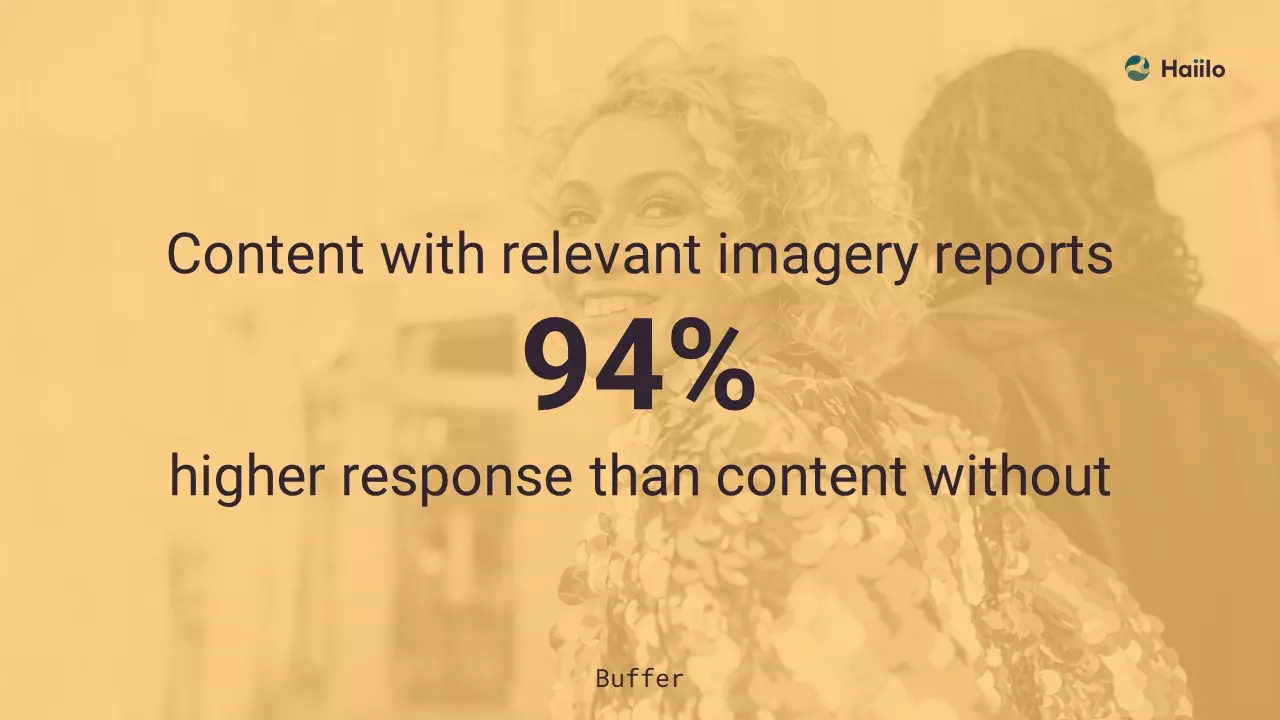
Visual content plays a major role in how people engage with posts. Strong images or short videos can stop the scroll and make your message easier to understand at a glance. This is especially important on fast-moving social media platforms for recruitment, where attention is limited.
Instead of generic stock images, use real photos of your teams, workplace, or day to day moments. Pair these with short, direct captions that highlight what makes the role interesting and why someone should care. This helps candidates quickly decide if they want to learn more or apply.
Also, don’t forget to use hashtags when posting job openings. Some job seekers actively follow hashtags such as #hiring and #jobopening, so including them can help your posts reach relevant candidates faster. You can also experiment with more specific hashtags related to roles, industries, or locations to improve visibility across social media platforms for recruitment.
Experiment with paid ads
Earlier, we briefly mentioned using paid ads for job promotions and boosting the visibility of your employer branding content. One of the biggest benefits of using paid ads on social media is better targeting compared to other channels such as job boards.
Additionally, social media advertising on platforms like Facebook and Instagram can be cost-effective, especially when compared to traditional recruitment channels. You can target candidates by their job titles, locations, interests, and many other criteria, allowing you to reach people who closely match your ideal candidate profile.
Start with smaller budgets and track performance closely. Look at metrics such as click-through rates, applications, and engagement. Experiment with A/B testing to understand which visuals, formats, and captions resonate most with your audience. Over time, this helps you refine your approach and get more value from your investment in social media platforms for recruitment.
Get help from your employees
To truly scale your social media recruitment efforts, you will need help from your employees. Organizations that have employer brand ambassadors are often more successful in attracting relevant candidates and building trust with their audience.
When employees share open roles, insights, or their own experiences, it adds credibility that company channels alone cannot achieve. People trust people more than brands, especially when considering a new job opportunity.
Instead of relying on a single survey, it is widely recognized that referrals and personal networks play a major role in job discovery. Encouraging employees to share job openings, engage with company content, or talk about their work can significantly extend your reach across social media platforms for recruitment.
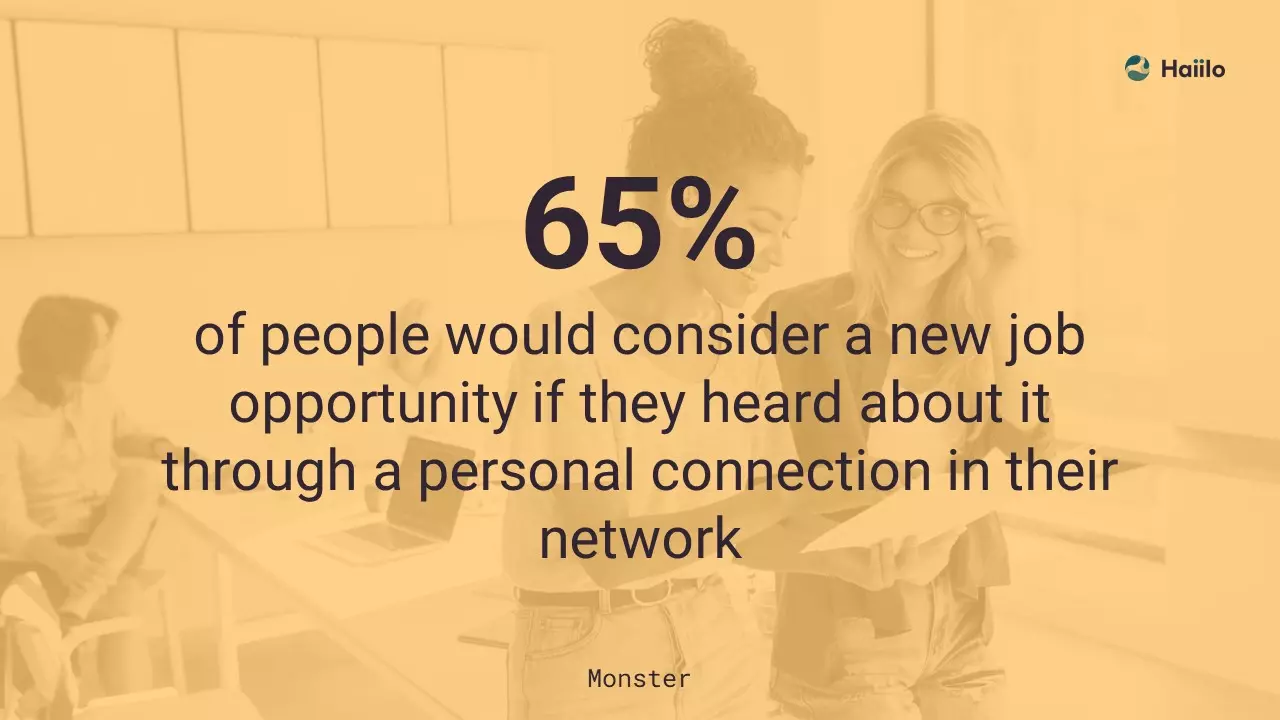
Another study showed that 92% of people will trust recommendations from friends and family over any other kind of marketing, promotion, or advertising, and job seekers rank current employees as the most trusted source for information about a company.
Hence, it is inevitable that your own employees play a crucial role in social recruitment!
Social recruiting through employee advocacy automatically increases your reach when you begin the recruitment process. Just by sharing your job listings through their own social networks, your workforce exponentially boosts your ability to connect with a much wider audience.
Here, it is important to understand that the easier it is for your employees to get involved with your social recruiting campaigns, the more likely they are to naturally share content on behalf of your brand. This is why organizations use employee advocacy platforms built to make content sharing easy for every employee.
10 Facts About Social Media Recruitment You Can’t Ignore
By now, you have hopefully understood how important social media recruiting is for your talent acquisition strategy. But to make it more concrete, here are 10 powerful statistics that highlight why social media platforms for recruitment play such a central role in how companies attract and hire talent today.
- 70% of hiring managers report successfully hiring candidates through social media (Betterteam)
- 73% of people aged 18–34 found their last job through a social media platform (Aberdeen)
- 82% of organizations use social media to reach passive candidates (Marketing Sherpa)
- Job seekers rank social media and professional networks among the most useful job search resources (CareerArc)
- 40 million people look for jobs on LinkedIn every week (LinkedIn)
Boost Your Social Media Recruitment Strategy With Employee Advocacy
Employees are the most important stakeholders in every social recruitment strategy. Without employees, it is difficult for organizations to achieve the highest possible ROI from their social hiring efforts or scale their impact across social media platforms for recruitment.
Employees not only help extend the reach of job openings by sharing them with their own networks, but they also add credibility to your messaging. Candidates are far more likely to trust content shared by real people than corporate posts. This trust can influence whether someone explores your company further or decides to apply.
Employee advocacy also helps you reach passive candidates who may not follow your company channels but are connected to your employees. This expands your reach organically and brings more relevant talent into your pipeline.
At the same time, building and managing a successful employee ambassadorship program is hard without the right structure and tools. Teams often struggle with low participation, inconsistent messaging, or limited time and resources to keep programs active and engaging.
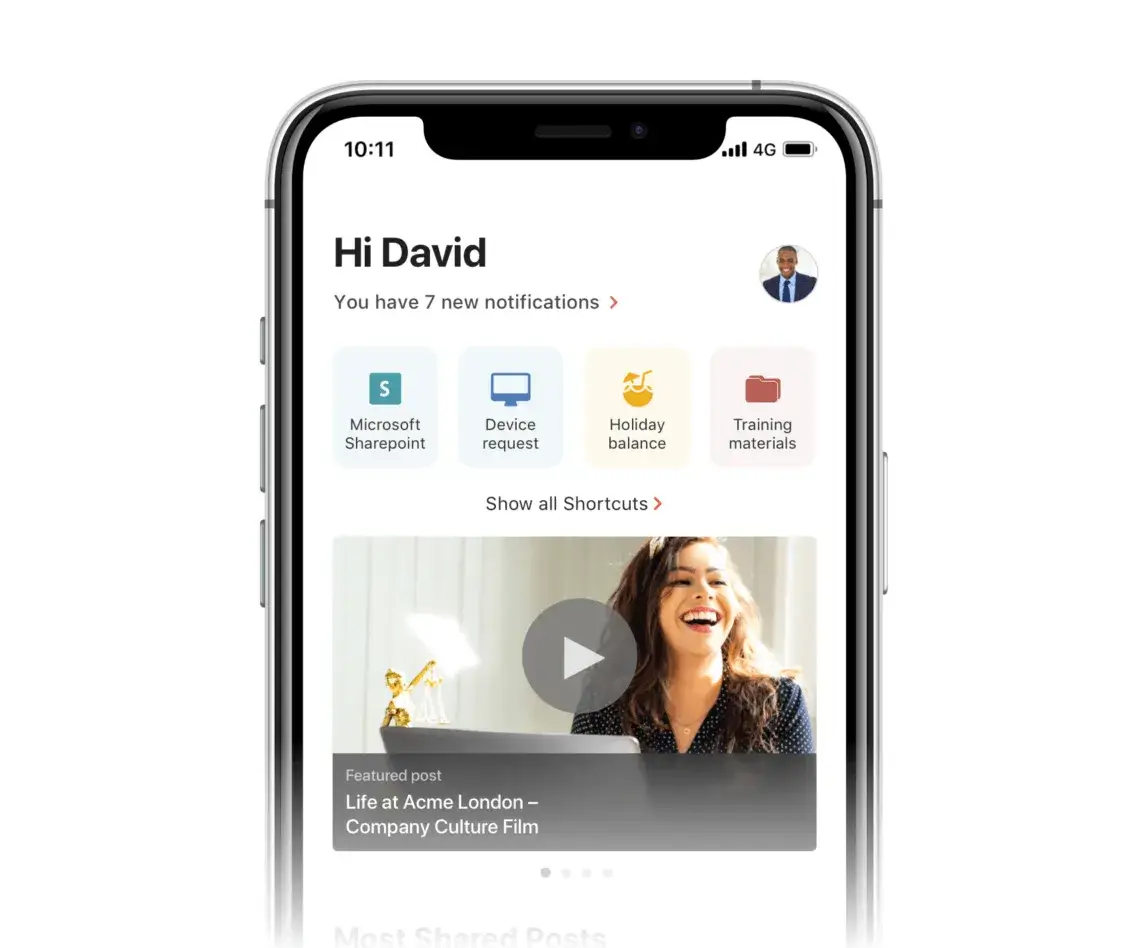
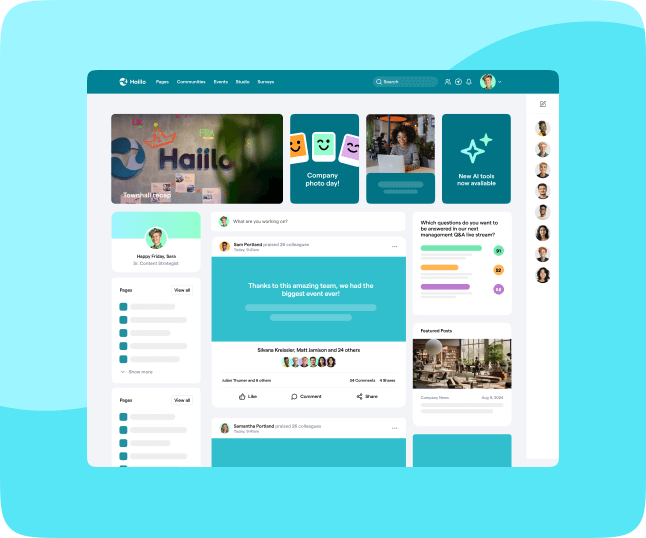
This is why organizations across the world are using Haiilo Advocacy, employee communications and advocacy platform to turn their employees into active contributors to hiring success. Instead of relying only on recruiters, you enable your entire workforce to support your efforts across social media platforms for recruitment and reach the right candidates faster.
- Deliver talent acquisition content tailored to employees’ job functions, locations, departments, and interests so it feels relevant and worth sharing
- Make content easy to access by integrating and distributing it across your entire communications stack, such as Slack, Microsoft Teams, Yammer, SharePoint, Workplace by Facebook, Chatter, and others
- Encourage and scale employee-generated content, giving candidates a more authentic view of your company
- Reach deskless employees by delivering content directly to their smartphones, so everyone can participate
- Enable employees to share content to multiple social media platforms in seconds, removing friction and saving time
- Gamify and reward ambassadorship initiatives to motivate employees and keep participation high over time
- Align social recruitment campaigns with clear talent acquisition KPIs and measure their impact on overall hiring success
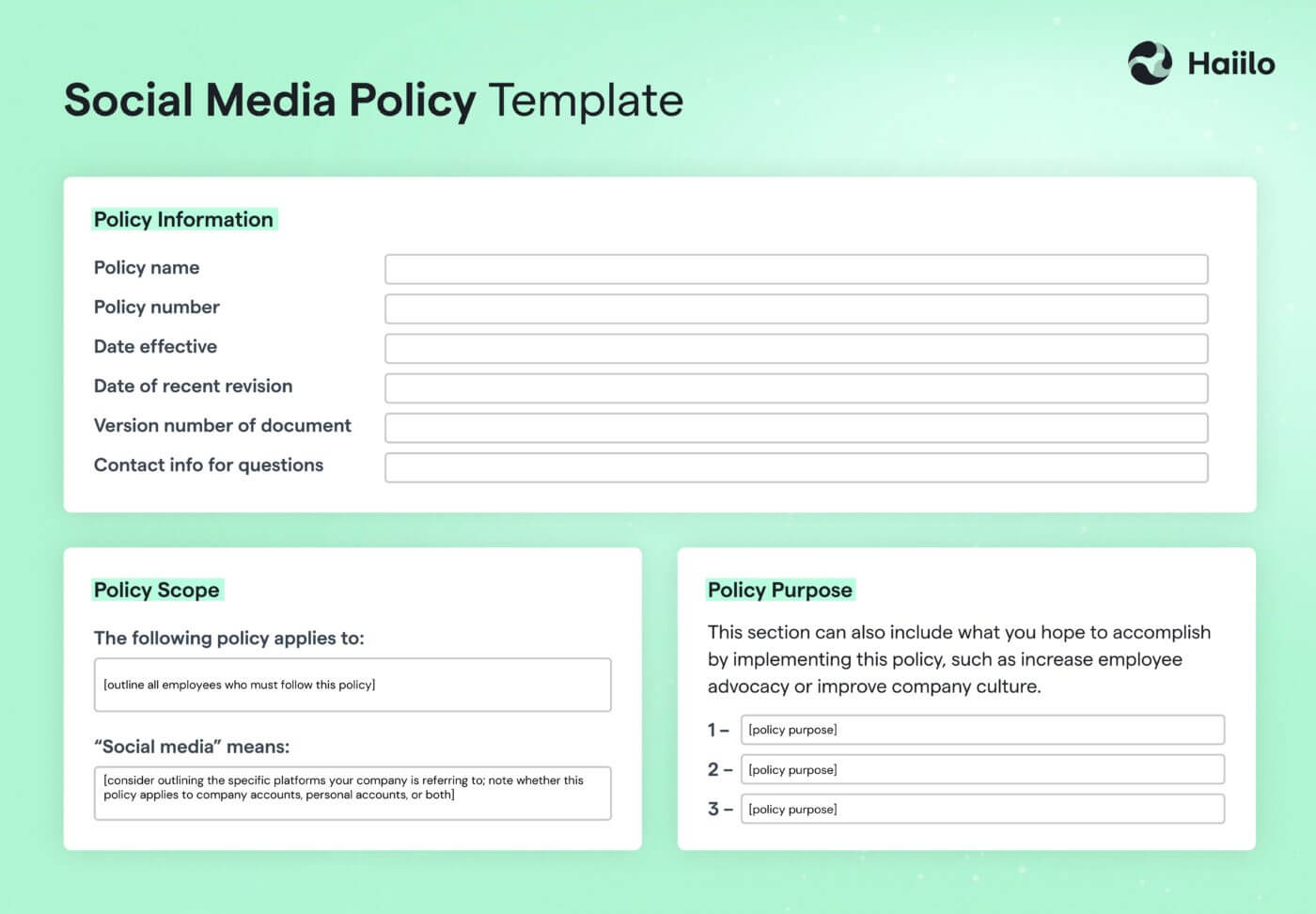
Want to learn more? Check out our social media policy template!
Frequently asked questions about social media platforms for recruitment
1. Which social media platforms are best for recruitment?
The best social media platforms for recruitment depend on who you want to reach. LinkedIn works well for professional roles and B2B audiences. Instagram and TikTok are better for creative or early career talent. Platforms like Reddit or GitHub can be useful for niche or technical roles. The key is to focus on where your ideal candidates already spend time instead of trying to be everywhere.
2. How do social media platforms for recruitment help reach passive candidates?
Most candidates are not actively job hunting. Social media helps you reach them anyway. Your content appears in their feeds while they scroll, which creates awareness without requiring them to search for jobs. Sharing employee stories, team insights, or short videos can spark interest and start conversations earlier in the hiring process.
3. What kind of content works best for social media recruitment?
Content that feels real and easy to understand performs best. This includes employee testimonials, behind the scenes moments, day to day work insights, and clear job posts. Keep captions short and focused on what matters to candidates. Instead of listing requirements, show what the role looks like and why it is worth their time.
4. How can you measure success on social media platforms for recruitment?
Start with simple metrics like reach, clicks, and applications. Then go deeper by tracking which channels bring the most qualified candidates. It also helps to look at engagement, such as shares or comments, to understand what resonates. Over time, this gives you a clearer picture of what drives results and where to invest more.