
How to launch an intranet in a way that brings the highest possible ROI to your organization?
If you’re trying to create a company intranet from scratch or replace an outdated system, it’s easy to feel overwhelmed. Many projects stall, go over budget, or fail to gain adoption because teams underestimate the planning and change management involved. This intranet guide will help you avoid those pitfalls, prepare effectively, and implement a solution that actually delivers value.
While every organization has its own structure, culture, and goals, the core principles of a successful intranet rollout remain the same. From defining clear objectives to choosing the right tools and driving long-term engagement, the following steps give you a practical, proven roadmap to create a company intranet that employees will use and benefit from daily.
These steps are designed to be flexible, so you can adapt them to your specific needs while still following a structured path. Whether you’re building a new digital workplace or upgrading an existing platform, this approach will help you launch a social intranet platform that supports communication, collaboration, and business performance from day one.
💡Related: 10 Best Intranet Software Platforms
Learn about why large organizations choose Haiilo intranet!
What is an intranet?
An intranet is a private, secure network used by companies to share information, tools, and resources among employees. It acts as a central hub where teams can access documents, company updates, and essential systems in one place. It plays a crucial role in internal communication and collaboration, and boosts productivity, making an intranet launch a key step in improving workflow and reducing inefficiencies.
For organizations looking to create a company intranet, the goal is not just to store information but to make it easy to find, use, and share. A well-designed intranet connects people, streamlines processes, and supports day-to-day work without adding complexity.
Understanding how to launch an intranet involves creating a platform tailored to the specific needs of the organization, ensuring ease of use and accessibility for all team members. This includes choosing the right features, structuring content clearly, and making sure employees can access the intranet from any device, whether they are in the office or working remotely.
How to launch an intranet: Step-by-step
A streamlined intranet launch communication plan is essential for a successful implementation. Without clear communication, even the best platforms struggle to gain traction, leading to low adoption and missed ROI. That’s why planning how you introduce and position your intranet internally is just as important as the technology itself. The steps below cover the full intranet roadmap, giving you a clear path from planning to launch and beyond. We will walk you through the intranet launch process, covering key details on how to launch an intranet, from creating a clear structure to ensuring it aligns with your team’s needs and daily workflows.
Whether you’re starting fresh or improving an existing platform, this guide will help you create a company intranet that delivers real value. You’ll learn how to define goals, choose the right features, and build an experience that employees actually want to use. By following these steps, you can avoid common mistakes and launch an intranet that supports communication, collaboration, and long-term engagement.
Phase 1: Intranet Pre-launch
Before you launch your organization’s intranet, there are several critical steps you need to get right. Skipping this phase often leads to poor adoption, unclear purpose, and wasted investment. A strong pre-launch plan ensures your intranet is built around real business needs—not assumptions. Let’s take a closer look and go through the entire intranet roadmap.
Step 1: Define your intranet goals
During the pre-launch phase, it’s essential that you define intranet goals and expectations clearly. Without well-defined goals, it’s difficult to measure success or prove ROI once your intranet is live.
Start by identifying the biggest challenges your organization currently faces. You can define your intranet goals based on the current challenges your organization faces. For example, if you know that employee engagement is low at your company, one of your primary goals might be to improve engagement through better communication, recognition, and access to information.
Many organizations also struggle with information overload, where employees waste time switching between tools or searching for documents. Research consistently shows that knowledge workers spend a significant portion of their day looking for information instead of doing meaningful work. That’s a major drain on productivity and efficiency. A clear goal, therefore, could be to make information easier to find and reduce time spent searching.
If you’re planning to create a company intranet, your goals should also align with broader business objectives. This could include improving onboarding, supporting remote and frontline workers, or strengthening company culture. The more specific your goals are, the easier it becomes to design an intranet that delivers measurable results.
Finally, define how success will be measured. Whether it’s increased engagement rates, faster information access, or higher platform adoption, setting clear KPIs early will help you track progress and continuously improve your intranet after launch.

Some other goals can be to increase the sense of belongingness in the workplace, improve the digital employee experience, or improve the overall organizational alignment.
Step 2: Buy or build an intranet?
Now that you have set your goals, the next step is to decide whether you want to build an intranet in-house or buy an off-the-shelf intranet solution. This decision has a direct impact on your timeline, budget, and long-term success.
Building an intranet means developing a custom solution from scratch, tailored to your exact business requirements. While this may sound appealing, it often involves complex planning, ongoing development, and continuous maintenance. It also requires dedicated technical resources to manage updates, integrations, and security over time.
Because of the cost, time, and complexity involved, most organizations choose not to build an intranet from scratch. Instead, they look for solutions that can deliver value faster and with less risk.
An important consideration in the build-or-buy debate is time to value. Developing a custom solution such as SharePoint often requires extensive setup, configuration, and customization before it meets user needs. According to Nielsen Norman, intranet projects can take well over a year to fully implement, especially when built or heavily customized in-house.
However, when organizations decide to create a company intranet, they usually need results quickly. Waiting months—or even years—for a solution to go live can delay improvements in communication, productivity, and employee experience.
On the other hand, ready-made intranet platforms are designed for faster deployment. Many can be implemented within days or weeks, depending on company size and complexity. They also come with built-in features, regular updates, and support, making it easier to launch, scale, and continuously improve your intranet without heavy technical overhead.
Step 3: Choose the right intranet provider
If your decision was to buy an intranet, this pre-launch phase is where you evaluate different vendors and choose a solution that aligns with your goals, budget, and technical requirements. The right provider will make it much easier to create a company intranet that delivers real impact from day one.
Start by shortlisting platforms that match your core use cases, such as internal communication, knowledge sharing, or employee engagement. Then look deeper at usability, integrations, scalability, and support. A platform may look good on paper but fail if it’s difficult for employees to use or doesn’t fit into your existing tech stack.
There are plenty of solutions available, so peer review sites such as G2 or Capterra can help you compare options based on real user feedback. Pay attention to reviews that mention ease of use, onboarding experience, and customer support, as these factors often determine long-term success.
Additional research from sources like ClearBox and SoftwareReviews can provide deeper insights. ClearBox focuses on detailed functionality and feature comparisons, while SoftwareReviews highlights customer satisfaction and vendor relationships.
Finally, don’t rely on research alone. Request demos, involve key stakeholders, and test how each platform performs in real scenarios. Choosing the right provider at this stage will save time later and set a strong foundation for a successful intranet launch.
Phase 2: Intranet Launch
So what should the intranet launch phase look like? Do you have a solid intranet launch communication plan ready?
Now that you have chosen your intranet provider, it’s time to prepare for launch. This is where many organizations struggle. Without the right setup and communication, even the best platform can fail to gain traction. This phase focuses on the deployment stage—making the intranet accessible, useful, and relevant to employees from day one. It involves careful planning, communication, and user training to drive adoption and long-term engagement. Let’s take a look at the most important intranet launch steps.
Step 1: Branding
Hopefully, your intranet vendor allows you to brand the software to match your organization’s visual identity. At a minimum, you should be able to customize colors, typography, and include your company’s logo so the platform feels familiar and aligned with your brand.
Consistent branding does more than improve aesthetics. It helps employees recognise the intranet as an official, trusted space for information and communication. This familiarity can create a stronger sense of belonging and encourage regular use, which is essential when you create a company intranet intended to become a central hub for daily work.
You can take branding a step further by giving your intranet a name that reflects your company culture, using tone of voice guidelines, and ensuring visuals are consistent across pages. Small details like these can make a big difference in how employees perceive and engage with the platform.
Step 2: Integrations
Employees today use multiple tools throughout the day, often switching between apps to complete even simple tasks. This constant context switching slows people down and makes it harder to stay focused. That’s why integrating your intranet with the tools employees already use is critical for success.
When your intranet connects seamlessly with platforms like Microsoft 365, Google Workspace, HR systems, or communication tools, it becomes a true digital workplace hub rather than just another standalone system. Instead of adding to the problem, your intranet helps reduce friction and simplifies daily workflows.
If your goal is to create a company intranet that improves productivity, integrations should be a top priority. Employees should be able to access documents, collaborate, and complete tasks without constantly switching between systems. The easier you make it for people to work in one place, the more likely they are to adopt and rely on your intranet.
Before launch, identify the most commonly used tools in your organization and ensure they are properly integrated. This will make your intranet immediately useful and increase the chances of successful adoption from day one.
Off-the-shelf intranet solutions often come with pre-built integrations for the most widely used workplace tools, giving you the flexibility to shape the platform around your existing systems. This means you can connect key tools quickly without heavy development work. They also offer open APIs if you need custom integrations, making it easier to extend functionality as your needs evolve. Some providers even adapt their product roadmaps based on customer feedback, helping ensure the platform continues to support your business over time.
When planning to create company intranet, integrations should focus on the tools employees rely on daily. For most organizations, that includes platforms like Microsoft 365 and Google Workspace. Ensuring these systems are connected allows employees to access documents, collaborate, and communicate without switching between multiple tools.
Step 3: Roles, permissions, and workflows
Role-based rules and permissions are a critical part of the intranet launch phase. Setting up clear access controls ensures that only the right people have access to the right intranet functionalities, which improves security and keeps content accurate and trustworthy.
For example, you may want only your internal communications team to publish company-wide content, while IT manages user access and system settings. At the same time, employees should still be able to contribute where appropriate, such as commenting, sharing updates, or collaborating within teams.
Defining these roles early helps prevent confusion and reduces the risk of errors or outdated information being shared. It also makes governance easier as your intranet grows.
In this step, it’s also important to define and set up workflows and approval processes. Structured workflows help streamline internal communications, ensure content is reviewed before publication, and make your team more efficient. When you create company intranet with clear governance in place, you set the foundation for consistent, high-quality content and smoother day-to-day operations.

Ideally, your intranet provider integrates with your LDAP and Active Directory so that setting up all of these rules and role-based permissions is easy and follows your company’s hierarchy and structure.
Step 4: Content calendar
Before you even launch your intranet, it would be good to have a content editorial calendar for at least one month ahead.
Make sure that your intranet content is engaging and personalized based on employees’ job functions, departments, locations, languages, interests, and other criteria.
Remember that digital personalization in the workplace is critical for high employee engagement, so I hope your social employee intranet vendor allows you to create and distribute hyper-personalized content.
Also, it is important to use different content types and formats to test what makes employees tick and engage. For example, you can create internal company podcasts, post polls, publish employee-generated videos, or simply send internal company newsletters with important updates.
Something most internal communications professionals find extremely valuable today is AI-powered content creation. Platforms like Haiilo use generative AI to help IC departments write content 10 times faster!
Step 5: Intranet implementation
Contrary to what you might think, it’s best to begin the intranet implementation phase—such as training and onboarding—before the official launch. Many organizations skip this step and struggle with low adoption as a result. It’s important to plan training sessions for the entire workforce.
These sessions may vary depending on roles and responsibilities, but the goal is the same: ensure everyone understands how to use the intranet and how it supports their daily work. Start with a core group—such as admins and content creators—then gradually expand training to all employees. This phased approach makes it easier to scale and address questions along the way.
When you create company intranet, adoption depends on how quickly employees see value. Training should therefore focus on real use cases, not just features. Show employees how the intranet helps them save time, find information faster, or collaborate more effectively.
Internal storytelling is a powerful way to support this. For example, employees can share how they use specific features to solve everyday challenges or improve productivity. These real examples make the platform more relatable and easier to understand.
Onboarding doesn’t have to be owned solely by internal comms or HR. You can have your first adopters and ambassadors share their own experiences and best practices, or run informal sessions alongside structured training. This peer-led approach often builds trust and encourages wider adoption.
Step 6: Intranet launch communication plan
Putting together a clear intranet launch communication plan is essential to ensure a smooth rollout and strong adoption across the organization. Without it, employees may not understand why the intranet matters or how to use it effectively. A good plan should include the following steps:
- Identify your audience: Tailor communication for different departments, roles, and locations to make messages more relevant.
- Set clear goals: Align your messaging with your intranet goals so employees understand the value and purpose.
- Develop messaging: Create clear, engaging messages that explain what’s changing and why it matters.
- Choose communication channels: Use a mix of channels such as email, meetings, and existing internal platforms to maximise reach.
- Provide training: Ensure employees know how to use the intranet and where to go for support.
Whether through a well-written intranet launch announcement email or team meetings, employees need clear guidance and repeated exposure to the new platform. When you create company intranet, consistent communication before, during, and after launch is key to building awareness and driving usage. A clear and well-executed intranet launch roadmap significantly increases the chances of success.
Step 7: Internal marketing
So how do you ensure strong adoption after launch? In many organizations, intranets fail not because of the technology, but because employees simply don’t use them. That’s why internal marketing plays a critical role in long-term success.
Historically, low intranet adoption has been a major challenge. Common reasons include lack of awareness, unclear value, or poor user experience. However, weak internal promotion is often the biggest issue. If employees don’t understand why the intranet matters, they won’t use it.
On your launch date—and in the months that follow—you should have a clear internal marketing strategy to keep the intranet visible and relevant. When you create company intranet, you need to actively promote it as a valuable tool, not just another system.
You can run webinars, share short demos, or feature the intranet in company-wide meetings. Use digital signage, internal channels, and leadership communication to keep it top of mind. To boost engagement, consider how to add gamification to the entire process—for example, by recognising and rewarding active users or teams.
In your internal newsletter, you can include a dedicated section for intranet best practices—sharing tips, success stories, and new features to help employees get more value from the platform.
Finally, make sure that you use multichannel communications to reach employees across the channels they already use, such as Slack, MS Teams, email, or SMS. The more visible and accessible your intranet is, the more likely employees are to adopt it and make it part of their daily routine.
With Haiilo, managing your content calendar is easy and fun! 👇

Phase 3: Intranet Post-launch
After you launch your intranet, the work doesn’t stop there. In fact, this is where long-term success is determined. Without continuous improvement and active management, usage can quickly drop. That’s why it’s important to stay on top of performance, keep content fresh, and drive higher user adoption over time.
This phase focuses on optimizing your intranet based on real user behaviour and feedback. If you want to create company intranet that delivers lasting value, you need to treat it as an evolving product—not a one-time project.
This is what you should do in the post-launch phase.
Step 1: Analytics
As soon as your intranet goes live, you should stay close to the data and metrics and continuously compare them to the goals you defined earlier. This helps you understand what’s working, what’s not, and where to focus your efforts.
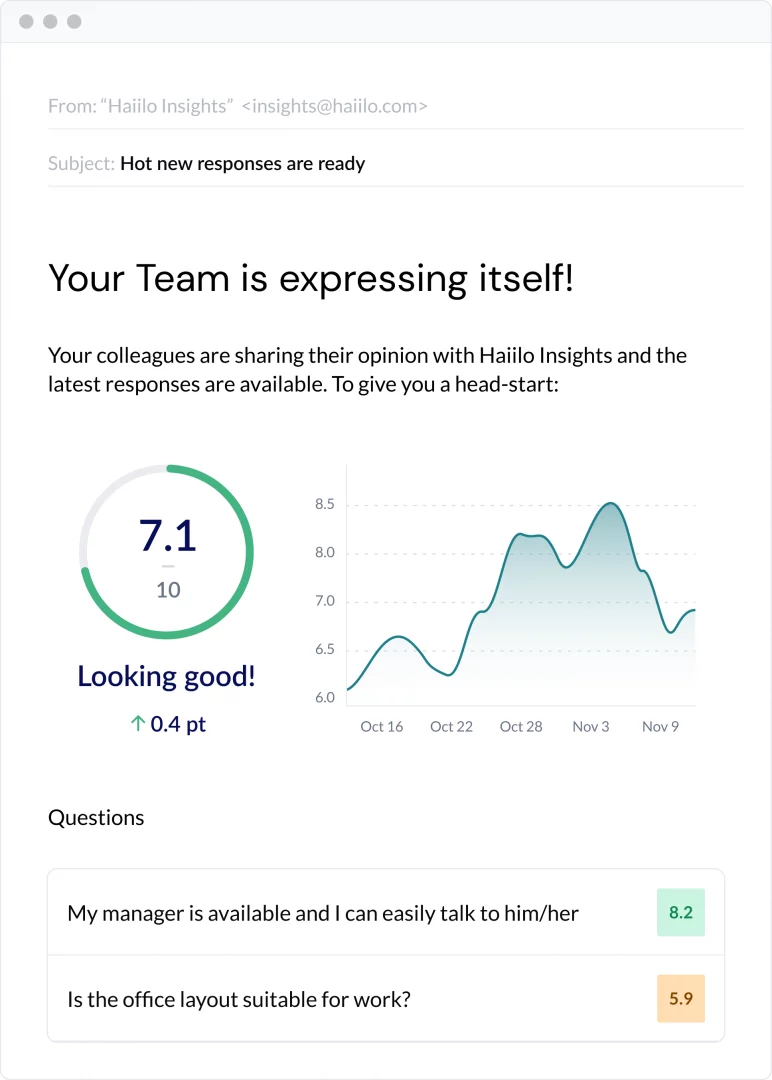
Ideally, your intranet solution should provide clear insights into usage, readership, engagement, and user behaviour. For example, you should be able to track which content gets the most views, how often employees log in, and which features are used the most.
By analyzing this data, you can identify patterns and understand what content resonates with your audience. These insights allow you to better segment users, create better content, and increase overall engagement. Over time, this leads to a more relevant and effective intranet experience.
Many social intranets and enterprise social networks also include built-in surveys and feedback tools. These can help you measure employee sentiment, track engagement trends, and gather direct input from users. More advanced platforms go a step further by providing recommendations and highlighting potential issues, helping you take action before engagement drops or problems grow.
Step 2: Feedback
Three weeks after the intranet launch date you can already start collecting feedback from your employees. Gathering feedback early helps you identify what’s working, what’s confusing, and where improvements are needed before adoption drops. It also gives you a chance to fix small issues before they turn into bigger frustrations.
When you create company intranet, ongoing feedback is critical to keeping it relevant and useful. Employees’ expectations and needs can change quickly, so regular check-ins help you stay aligned and continuously improve the experience. The more you listen, the easier it is to build something employees actually value.
Use company-wide surveys to ask your employees about their intranet experiences. Keep surveys short, clear, and easy to complete so you get higher response rates and more honest input. Focus on questions that help you take action, not just collect opinions. Here are a few questions you can use to get valuable input.
- How frequently do you use our newly implemented intranet?
- How satisfied are you with the value our new intranet provides? Please explain.
- Do you find it easy to locate necessary company information, documents, and people?
- Do you find the content in our intranet engaging and relevant?
- What kind of content would you like to see more of?
- What is your favorite thing about our new intranet?
- What is your least favorite thing about our new intranet?
- Was the intranet training valuable to you?
- Do you have any other comments or recommendations for improvement?
In addition to surveys, consider using quick polls, feedback forms, or informal conversations with managers and team leads to gather more context. These methods can uncover insights that structured surveys might miss and help you understand the “why” behind the feedback.
Most importantly, act on the feedback you receive. Share updates, communicate improvements, and show employees that their input leads to real change. Closing the feedback loop builds trust, encourages ongoing participation, and helps ensure your intranet continues to improve over time.
Intranet benefits: Why launch an intranet?
An intranet offers many benefits for improving employee communication and collaboration. For organizations looking to create company intranet, the value goes far beyond simply sharing information—it helps build a more connected, productive, and engaged workforce. Key intranet benefits include:
- Streamlines internal communication, ensuring employees stay informed and aligned with company goals for better organizational alignment.
- Boosts employee engagement and productivity by making it easier to collaborate, share updates, and access tools, driving collaboration.
- Facilitates employee recognition through social features and visibility, improving morale and retention.
- Centralizes knowledge management so employees can quickly find documents, policies, and expertise, making information easily accessible.
- Integrates key technologies into one place, reducing tool switching and enabling a seamless workflow.
To sum up
In conclusion, launching an intranet requires careful planning, clear goals, and ongoing optimization. Whether you choose to build or buy, success depends on how well your intranet supports real employee needs and daily workflows.
If your goal is to create company intranet that delivers long-term value, you need more than just the right technology. You need a strong launch plan, effective communication, and a commitment to continuous improvement. Following the steps outlined above will help you avoid common pitfalls, drive adoption, and build an intranet that employees actually use.
With the right strategy in place, your intranet can become a central hub for communication, collaboration, and culture—helping your organization work smarter and stay connected.
FAQ: How to create a company intranet
How long does it take to create a company intranet?
It depends on whether you build or buy. A custom-built intranet can take months (or longer) due to development and testing. In contrast, most modern intranet platforms can be set up in a few weeks. The key factor isn’t just launch speed, though—it’s how quickly employees start using it. A well-planned rollout with training and communication will always outperform a rushed launch.
What features should a company intranet include?
When you create a company intranet, focus on features that solve real problems. This usually includes internal communications, document management, employee directories, and integrations with tools like Microsoft 365 or Google Workspace. Social features such as comments, likes, and recognition can also boost engagement. Keep it simple—too many features can overwhelm users.
How do you get employees to actually use the intranet?
Adoption is often the biggest challenge. To make your intranet successful, you need to clearly show employees how it helps them in their daily work. Provide training, promote it internally, and keep content relevant. Involve managers and early adopters to lead by example. When people see value quickly, usage becomes a habit.
Is it better to build or buy an intranet?
For most companies, buying is the better option. Building an intranet from scratch requires significant time, budget, and ongoing maintenance. Ready-made platforms are faster to launch, easier to manage, and come with built-in features and support. If your goal is to create a company intranet efficiently and see results जल्दी, a proven solution is usually the smarter choice.
Check out our report on the synergy of multichannel communication and employee listening, featuring Forrester!