
How to improve employee productivity? This is an evergreen question every employer is trying to answer. As people are every organization’s most valuable asset, companies must continuously find practical ways to support their teams and improve workers productivity without adding unnecessary pressure.
In recent years, the way we work has shifted fast. From the Great Resignation to more flexible work models, expectations have changed on both sides. Remote work has completely disrupted how teams collaborate, communicate, and stay engaged. This shift has made it harder for many organizations to maintain consistent workers productivity across distributed teams.
But how can companies adapt and still drive strong results? The answer lies in rethinking how work gets done, how people are supported, and what truly motivates performance. This blog will cover tips and examples on how to increase employee productivity that are practical, proven, and adaptable to any organization—whether your teams are remote, hybrid, or on-site.
What is Employee Productivity?
Employee productivity is a measure of the amount of value created in a time frame, or, in other words, how much work an employee can get done in a said time frame. One of the major predictors of high employee productivity is good employee experience. Happy and satisfied employees use their time efficiently, focusing on the most important tasks and not wasting any effort.
Increase employee productivity with modern intranet software!
Why is Employee Productivity Important?
The importance of employee productivity is self-evident. If the metric reflects employees’ performance and how much output they generate compared to the resources they use, higher productivity naturally leads to better business performance. It also helps organizations stay competitive, adapt faster to change, and make better use of time and talent.
Strong workers productivity doesn’t just impact results—it shapes the overall employee experience. When people can work efficiently, they feel more focused, less stressed, and more satisfied with their work. On the other hand, poor productivity often leads to frustration, missed deadlines, and disengagement.
The role of leadership and management is essential in ensuring employees stay productive. Even the most talented teams struggle if priorities are unclear or constantly shifting. Employees need clear direction, realistic expectations, and the right support to stay focused on meaningful work.
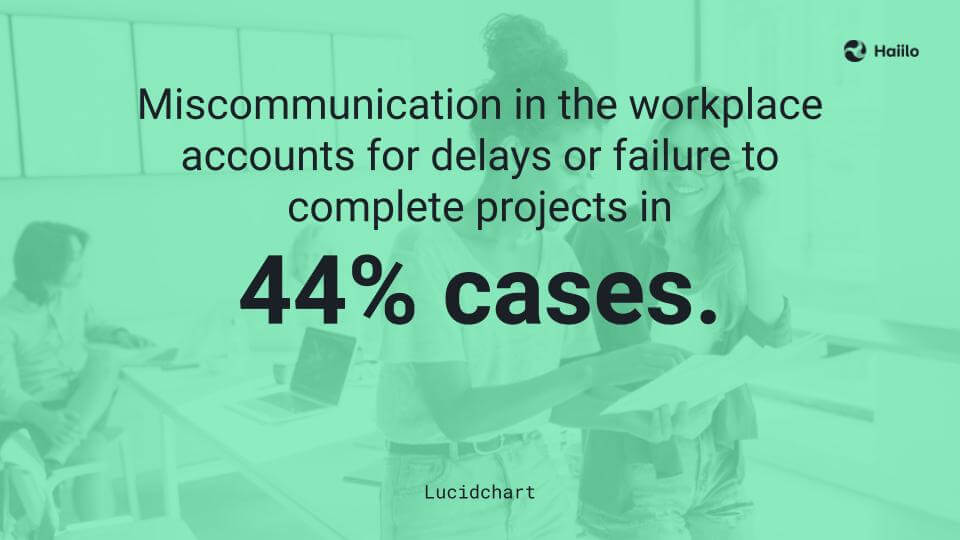
Miscommunication is one of the biggest barriers to productivity. When information is unclear or delayed, teams waste time, duplicate efforts, or focus on the wrong tasks. Therefore, having clear leadership communication is critical to align teams, reduce friction, and improve workers productivity across the organization.
How to Measure Employee Productivity
There are multiple ways to measure employee productivity, and the right approach often depends on your business goals and team structure. The key is to combine quantitative data with qualitative insights to get a complete view of workers productivity. Some practical methods include:
- Measuring the amount of profit generated per employee or team to understand overall efficiency
- Tracking the number of goals met to evaluate progress against defined objectives
- Comparing the work done with the resources/time required to complete it to identify inefficiencies
- Assessing the quality of work to ensure output meets expected standards, not just quantity
There are also less obvious but equally valuable ways to evaluate workers productivity. Looking at broader organizational signals can reveal patterns that individual metrics may miss. For example, reviewing turnover and strategy comprehension rates can highlight deeper issues affecting performance and alignment.
High turnover rates often correlate with lower productivity. New hires need time to onboard, learn processes, and reach full performance. Frequent turnover disrupts team momentum and increases workload for existing employees. In a similar way, low strategy comprehension rates can signal misalignment. When employees don’t fully understand company or team goals, they are more likely to focus on low-impact tasks, which reduces overall efficiency and workers productivity.
To get accurate insights, organizations should track these metrics consistently and review them over time. This helps identify trends, spot gaps early, and make better decisions to improve performance at both the individual and company level.
📚 Read on: How to Measure Employee Engagement: 10 KPIs to Track
How to Increase Employee Productivity
Now that we’ve gone through the importance and different ways of measuring employee productivity, it’s time to look at how you can improve it.
If you notice that employees’ performance is not on par with the industry standard or you want to help your workforce to be more efficient, there are a few strategies you can implement to boost employee productivity. Below, you’ll find a list of 10 proven ways to increase employee productivity.
Improve Transparency and Organizational Alignment
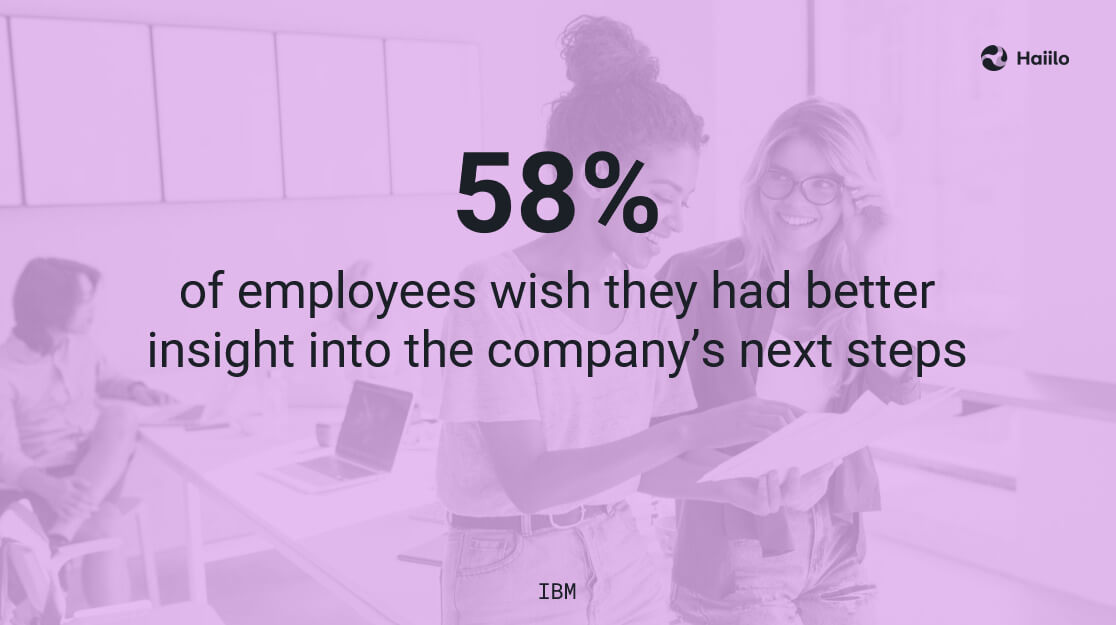
One of the biggest reasons for low workplace performance is a need for more transparency and organizational alignment across teams. When employees don’t clearly understand priorities, expectations, or how their work connects to the bigger picture, it becomes harder to stay focused and productive. This lack of clarity directly impacts workers productivity and slows down progress.
If your employees don’t know what your company’s core values, mission, and vision are, they can’t effectively align their efforts with business goals. As a result, teams may work in silos, duplicate efforts, or prioritize tasks that don’t drive meaningful outcomes.
This challenge is even more common in larger organizations, where communication gaps can easily grow between departments. Without clear direction and visibility, employees are left to make assumptions, which often leads to inefficiencies and missed opportunities.
To improve alignment, leaders need to communicate goals consistently and in simple terms. Employees should understand not just what they are doing, but why it matters. Regular updates, accessible information, and open communication channels help teams stay aligned and make better decisions.
When transparency improves, collaboration becomes easier. Teams can coordinate their efforts, reduce unnecessary work, and stay focused on shared objectives. Over time, this creates a more connected workplace and significantly improves workers productivity.
💡 What can you do?
Invest more resources into your internal communications strategy. Consider implementing an internal newsletter or a podcast to communicate your company’s current state and help employees understand where your company is headed.
If you are organizing a webinar or a podcast for your employees, invite your CEO and other leaders to speak, and always allow your employees to join the conversation.
Set Clear Goals and Expectations
Setting clear individual goals and expectations is essential for improving employee performance and overall workers productivity. Think of it as creating a simple, structured action plan that removes confusion and helps employees focus on what truly matters. When people know exactly what is expected of them, they spend less time guessing and more time delivering results.
Once you have defined your company-wide vision and mission, managers need to align them with individual KPIs. This alignment ensures that every task contributes to broader business objectives, making work more meaningful and measurable. Clear goals also make it easier to track progress and identify areas for improvement early on.
A common challenge in many organizations is the lack of clarity around expectations. When goals are vague or constantly changing, employees may prioritize the wrong tasks or lose focus altogether. This leads to wasted effort and lower workers productivity.
💡 What can you do?
Once employees understand the overall business goals, involve them in shaping their own KPIs. This approach increases ownership and accountability while encouraging smarter ways of working. It also helps boost innovation in the workplace, as employees feel more confident suggesting new ideas and improvements.
Keep goals realistic, specific, and easy to measure. Review them regularly and adjust when priorities change. While it may take a few iterations to get the process right, teams quickly become more independent, focused, and effective over time.
Focus on Employee Experience to Improve Engagement
Higher employee engagement usually results in higher employee productivity. But to improve employee engagement, you first need to understand the factors that shape employee experience in the workplace.
While some employees may be mostly driven by salary, others may be more driven by other benefits, career progression opportunities, work flexibility, positive workplace culture, or other factors.
💡 What can you do?
The best way to define what motivates your employees is to ask them directly. Consider implementing a company-wide employee engagement survey before you try to guess how to improve your employees’ working experience.
Provide Continuous Feedback
Employees who regularly receive feedback from their managers are more likely to take initiative at work, are better collaborators and tend to care more about work. Naturally, they have higher productivity levels.
If not daily, feedback should happen every week. Ideally, managers should provide feedback during one-on-one meetings.
💡 What can you do?
Besides ensuring regular top-down feedback, you should also encourage bottom-up feedback. Even though some of your managers may not like it, this is the best way to improve their leadership skills and build better relationships with their teams.
Implement a Recognition Program
Showing appreciation to your workers is one of the best ways to improve their productivity and efficiency at work. However, without a formal recognition program, employees tend to forget to give thanks.
Create a designated internal channel where employees can thank each other. Ensure that the reasons for recognition align with your company’s ultimate business goals. Furthermore, make it as transparent as possible so that everyone understands what kind of actions and behaviors are desired in your company.
💡 What can you do?
Even though many people are motivated by monetary rewards, you can make a non-monetary recognition program meaningful. For example, offer a reward such as a chat with your CEO, a day off, or the ability to donate money to employees’ charities of choice.
Enable Your Leaders to Become Better Managers
Managers have a direct impact on their employees’ performance and overall workers productivity. The way they communicate, set expectations, and support their teams can either drive results or create friction. A strong manager–employee relationship builds trust, improves motivation, and helps employees stay engaged in their work.
On the other hand, poor management often leads to confusion, low morale, and disengagement. Even highly skilled employees may struggle to perform if they don’t receive clear guidance, regular feedback, or recognition. That’s why organizations need to actively support and develop their managers—not assume they will naturally excel in leadership roles.
Employers play a key role in enabling better management. This includes providing practical training, clear frameworks for leading teams, and the right workplace tools. Managers need both the skills and the systems to lead effectively, especially in hybrid or distributed environments.
💡 What can you do?
Give managers simple ways to measure their team’s pulse and engagement levels on a regular basis. Short, frequent check-ins are more effective than long, infrequent surveys. HR teams can support this by creating structured pulse surveys and helping managers interpret the results.
Consider using modern technology for employee surveys that is easy to use and accessible on mobile devices. This ensures higher participation and includes frontline employees who are often overlooked in traditional surveys.
Most importantly, turn feedback into action. Survey results should provide clear, practical recommendations so managers know exactly what to improve. When managers act on feedback consistently, it builds trust and leads to stronger engagement and higher workers productivity over time.
Boost Employee Collaboration (without too many meetings)
Team and cross-functional collaboration are essential for improving employee performance and overall workers productivity. Most work today depends on multiple teams working together, sharing information, and aligning on goals. When collaboration is smooth, work moves faster and with fewer errors.
However, collaboration has become more complex with the rise of remote and hybrid work. Teams are often spread across locations and time zones, which makes communication less immediate and coordination more difficult. Without the right systems in place, this can lead to delays, misunderstandings, and duplicated work.
At the same time, many organizations try to fix collaboration issues by adding more meetings. This often has the opposite effect. Too many meetings break focus, reduce deep work time, and lower workers productivity instead of improving it.
The goal should be to make collaboration more efficient, not more frequent. Clear processes, shared tools, and well-documented information help teams stay aligned without constant check-ins.
💡 What can you do?
Encourage asynchronous communication where possible. Use shared platforms to document decisions, updates, and workflows so employees can access information without needing a meeting.
Set clear guidelines for when meetings are necessary and keep them focused with defined agendas and outcomes. This helps protect time for deep work while still enabling effective collaboration.
Finally, make sure teams have visibility into each other’s work. When employees understand who is responsible for what, collaboration becomes more natural and efficient—leading to better results and stronger workers productivity.
Eliminate Information Overload
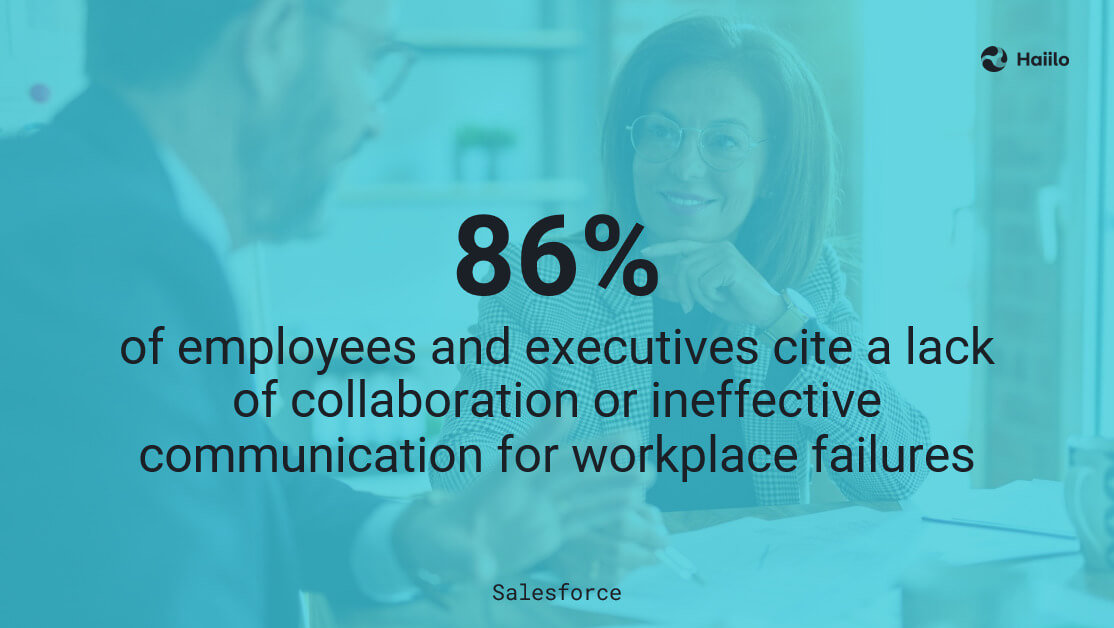
Information overload is one of the biggest productivity killers in the workplace. When employees are exposed to too many messages, tools, and updates, it becomes harder to focus on what actually matters. Important information gets buried, and employees spend more time searching than doing meaningful work—hurting overall workers productivity.
Many organizations still take a one-size-fits-all approach, pushing the same information to everyone regardless of relevance. This leads to noise instead of clarity. Instead, information should be more personalized based on employees’ roles, locations, languages, and priorities. When content is tailored, employees can quickly find what they need and ignore what they don’t.
Information overload doesn’t just affect efficiency—it also impacts well-being. Constant notifications and scattered communication channels make it difficult to concentrate and increase mental fatigue. Over time, this can reduce engagement and lower the quality of work.
💡 What can you do?
Start by simplifying your communication channels. Reduce duplicate tools and define clear guidelines for where different types of information should live. This makes it easier for employees to know where to look and what to trust.
If you are struggling to make your company’s content more relevant and engaging, consider implementing a social intranet. These platforms help centralize communication, personalize content delivery, and boost employee engagement in the workplace.
They act as a single source of truth—a digital home where employees can easily access relevant updates, resources, and knowledge. This reduces noise, improves clarity, and allows teams to stay focused, ultimately increasing workers productivity.
Improve Onboarding
Employee onboarding is the very first touchpoint in your employees’ career journey within your organization. And it can make or break your employees’ success.
Research by Brandon Hall Group found that organizations with a strong onboarding process improve new hire retention by 82% and productivity by over 70%.
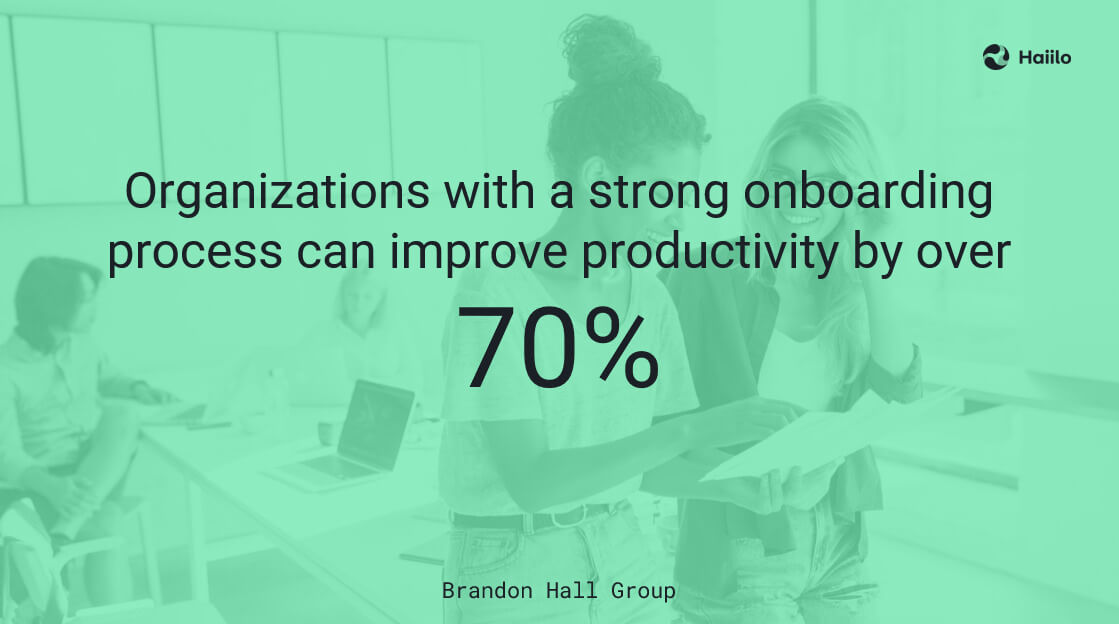
So structured employee onboarding processes are critical for enabling your new workers to become more productive in the future. You can create training videos, onboarding guides, designated onboarding channels, and similar resources to help your employees get started.
💡 What can you do?
If you are a remote company, consider organizing random one-on-one calls with new employees. Match them with workers with more tenure and help them break the ice. This is a great way for newcomers to start building relationships with peers, which usually leads to higher employee retention rates.
Integrate Your Workplace’s Tech Stack
Many employees still struggle with disconnected tools and constant context switching. When systems don’t work well together, people waste time jumping between platforms, searching for information, and repeating tasks. This friction adds up quickly and has a direct impact on workers productivity.
Instead of helping, too many tools often create confusion. Important updates get lost across apps, messages are missed, and workflows become fragmented. Employees may also duplicate work simply because they don’t have full visibility into what others are doing.
That’s why having integrated workplace technology is essential for improving employee productivity. When tools are connected, information flows more smoothly, and employees can complete tasks without unnecessary interruptions.
Well-integrated communication and collaboration platforms also help reduce information overload. Instead of checking multiple systems, employees can access what they need in one place, making it easier to stay focused and organized.
💡 What can you do?
When choosing communication and collaboration tools, prioritize integration. Your systems should “talk” to each other and support your workflows, not complicate them. For example, your internal communication platform should allow you to distribute content to various communication channels your company already uses.
It’s also important to connect your tools with platforms employees rely on daily, such as Google Workspace and Microsoft 365. This reduces switching between apps and keeps work centralized.
Start by auditing your current tech stack. Identify overlaps, remove unnecessary tools, and focus on solutions that integrate well. A simpler, connected ecosystem helps employees work more efficiently and significantly improves workers productivity.
If you are looking for a powerful employee communication solution that integrates with other communication and collaboration apps in your organization, schedule a Haiilo demo today and watch your employees’ productivity skyrocket!
Frequently Asked Questions about workers productivity
What are the biggest factors affecting workers productivity today?
Workers productivity is often impacted by unclear communication, too many tools, and lack of alignment. When employees don’t understand priorities or can’t easily access the right information, performance drops. Improving internal communication helps teams stay aligned and reduces confusion, making it easier to focus on meaningful work. You can also explore how onboarding influences early productivity in this guide on employee onboarding experience.
How can companies improve workers productivity without increasing pressure?
The key is not to push people harder, but to remove friction. Simplify workflows, reduce unnecessary tools, and make information easier to access. Solutions like knowledge management help employees find what they need quickly. At the same time, focusing on employee wellbeing supports energy, focus, and long-term performance.
Why is employee engagement important for workers productivity?
Engaged employees are more motivated, focused, and committed to their work. When people feel connected to their company and understand their role, they perform better. Investing in employee engagement builds a stronger sense of purpose and accountability. Insights from the Gallup workplace report also show how engagement levels influence performance outcomes.
How can you measure and improve workers productivity over time?
Improving workers productivity starts with listening to employees and tracking the right signals. Regular feedback and surveys help identify gaps and opportunities. Tools focused on employee listening make it easier to gather insights and act on them. Pair this with a social intranet to centralize communication and knowledge. For practical metrics, see this guide on employee surveys and KPIs.