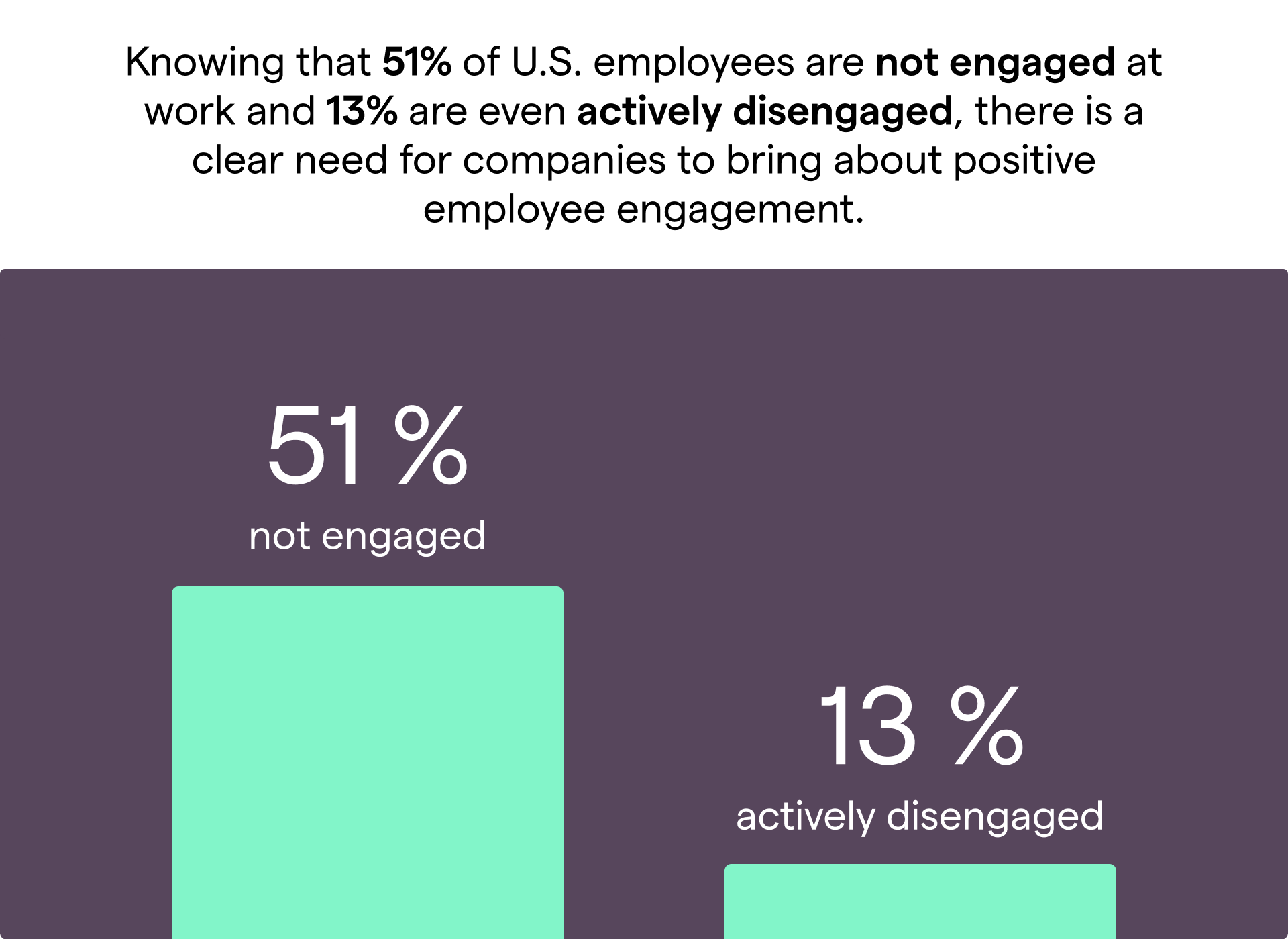

Most companies that care about their employees’ experience have already implemented employee recognition programs. However, too many of those still neglect the power and benefits of employee appreciation.
Lack of employee recognition is one of the biggest culprits for low engagement and high turnover rates. Hence, it is no surprise that the popularity of employee recognition initiatives within organizations has been increasing exponentially.
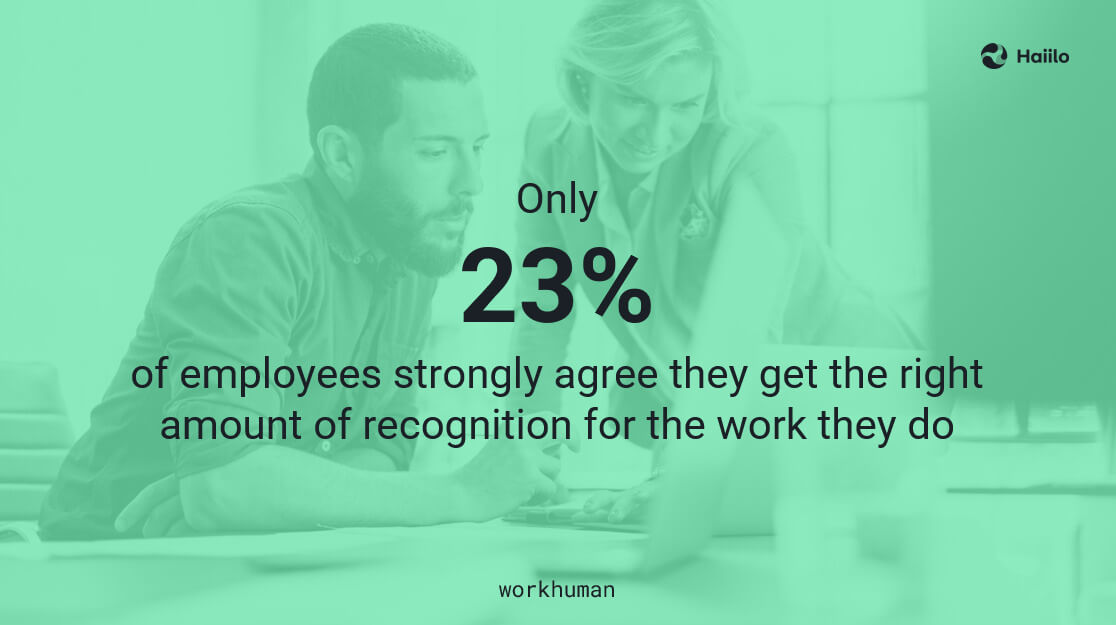
The new report found that only 23% of employees strongly agree they get the right amount of recognition for their work. At the same time, 36% of organizations with an employee recognition program have a huge leg up against their competition. Research from Gallup and Workhuman shows that employees who receive meaningful recognition are 45% less likely to leave their jobs within two years. This highlights how consistent appreciation directly influences engagement and retention.
This gap highlights a common challenge: recognition exists, but it often feels inconsistent or disconnected from daily work. Many companies run occasional awards or anniversary celebrations, yet employees still feel overlooked in their day to day efforts. Effective employees rewards and recognition programs go beyond one off gestures. They create regular moments of appreciation that are visible across the organization, whether through peer to peer shout outs, manager recognition, or company wide celebrations of impact.
When recognition becomes part of everyday communication, employees feel that their contributions matter. Teams collaborate more openly, managers reinforce the behaviors that drive results, and organizations build a culture where great work is noticed rather than assumed.
In this blog, we will cover the benefits of having an employee recognition program, steps for implementing a successful program, and out-of-the-box ideas to make the programs more engaging and fun for employees.
What Is an Employee Recognition Program
Employee recognition programs are usually set up and managed by HR departments. These programs usually consist of various initiatives to boost employee engagement and productivity through acts of appreciation for certain activities or behaviors employees take. The programs are usually designed to maintain high standards of behavior, provide motivation and feedback to employees and publicly praise big wins, hard work, and dedication.
In practice, strong employees rewards and recognition programs help organizations reinforce the behaviors they want to see more of. When employees receive timely recognition for collaboration, innovation, or going the extra mile for customers, those actions become visible examples for the rest of the team. Over time, recognition helps shape company culture by signaling what truly matters inside the organization.
They should have a set of policies and procedures explaining how recognition should be done so that it delivers the best possible outcomes. Clear guidelines ensure that recognition is fair, consistent, and tied to company values rather than left to chance or individual manager habits.
Furthermore, employee recognition programs should be backed by designated technology that makes the entire process more streamlined, measurable, and easier to manage. Modern recognition platforms allow organizations to track participation, highlight achievements across teams, and ensure appreciation reaches employees in different locations or roles.
Even though there are many different types of employee recognition programs, we can split them into two main categories:
Monetary programs
Monetary employee recognition program is a program in which appreciation is followed by a monetary reward such as:
- Cash
- Gift cards
- Bonuses
- Free meals
- Paid training opportunities, scholarships, or other career development opportunities
- Gym memberships
- Other
These rewards are often used to celebrate major milestones or outstanding performance. For example, a sales team that exceeds its quarterly targets might receive a bonus or travel incentive, while employees who complete critical certifications could be rewarded with professional development funding.
Non-monetary programs
Recognition does not always need to involve financial incentives. Recent workplace studies show that 65% of employees say non monetary recognition such as appreciation or a simple thank you is highly meaningful. Consistent acknowledgment often has a stronger emotional impact than monetary rewards alone.
The goal of most non-monetary programs is to simply make appreciation one of the core company values by embedding appreciative behavior in every employee. This approach is especially powerful when recognition comes from peers and managers in the flow of daily work, not just during formal reviews or company events.
They are not followed by a monetary award. However, there are examples of other non-monetary awards than just saying thanks:
- Day off
- Time for volunteer work
- Work from home (more flexible work schedule)
- A better parking spot for a week
- A lunch or a chat with the CEO or other leader in your company
- Mentorship day
- Other
Small gestures like these can have a surprisingly strong impact. When employees feel seen and appreciated for their efforts, they are more likely to stay engaged, contribute ideas, and advocate for the organization.
Build a culture of appreciation with Haiilo employee communications platform!
Why Every Company Should Have an Employee Recognition Program
Let’s take a look at the biggest benefits of building a culture of appreciation in your organization. When recognition becomes part of everyday work, employees feel that their efforts matter. Well designed employees rewards and recognition programs help organizations reinforce the behaviors they value, strengthen collaboration across teams, and make achievements visible across the company.
1. Employee engagement and productivity
Research consistently shows the strong link between recognition and engagement. According to Gallup workplace studies, organizations with highly engaged employees achieve up to 23% higher profitability and 17% higher productivity, highlighting the business impact of creating a culture of appreciation.
Recognition helps employees understand how their work contributes to broader company goals. When managers and peers highlight meaningful contributions, employees are more likely to stay motivated and take ownership of their work. Over time, this creates a positive cycle where visible appreciation encourages stronger performance across teams.
Another research suggests that social recognition can improve individual performance by up to two times and raise productivity by over 60% on average.
💡 Related: Top 15 Employee Motivation Tips and Benefits
2. Employee retention
According to an Indeed survey, 30% of people who left a job within the first six months said being recognized more for their unique contributions could have helped them stay longer. Furthermore, SHRM/Globoforce survey, Using Recognition and Other Workplace Efforts to Engage Employees, 68% of HR professionals agreed that employee recognition has a positive impact on retention.
When employees consistently feel that their contributions are valued, they are far more likely to stay committed to their organization. Recognition strengthens the emotional connection employees have with their workplace. Instead of feeling like their work goes unnoticed, they see clear proof that their effort makes a difference.
This is why many organizations invest in structured employees rewards and recognition programs that celebrate both everyday contributions and major milestones. From peer recognition platforms to company wide awards, these initiatives help create a workplace where appreciation becomes part of the culture rather than an occasional gesture.

💡 Also, learn about the 9 ways to combat employee turnover in your company!
3. Employee attraction (talent acquisition)
In the previously mentioned research by SHRM, 56% of HR professionals said employee recognition programs also help with recruitment and employer branding. Organizations listed under the “great places to work” category are typically those that frequently recognize outstanding work.
Today’s candidates pay close attention to how companies treat their employees. Positive reviews on platforms like Glassdoor or LinkedIn often mention appreciation, recognition, and supportive leadership. Companies that invest in structured employees rewards and recognition programs signal that contributions will not go unnoticed, which makes them more attractive to top talent.
Recognition also strengthens employer branding through authentic employee stories. When employees share moments of appreciation or celebrate achievements publicly, it gives potential candidates a real glimpse into the company culture.
💡Related: How To Attract, Engage, and Retain Gen Z In the Workplace
4. Employee advocacy
Employee recognition can be a powerful tool for encouraging employee advocacy in the workplace. Employee ambassadorship can be one of the best ways to boost a company’s brand awareness, sales, and employer branding.
However, advocacy rarely happens on its own. Employees are far more likely to promote their company when they feel proud of where they work and appreciated for their contributions. Recognition reinforces that sense of belonging and encourages employees to share company updates, achievements, or thought leadership with their networks.
Many organizations integrate advocacy directly into their employees rewards and recognition programs by acknowledging employees who actively amplify company messages or represent the brand externally. Public appreciation motivates others to participate and strengthens the culture of advocacy.
5. Customer service
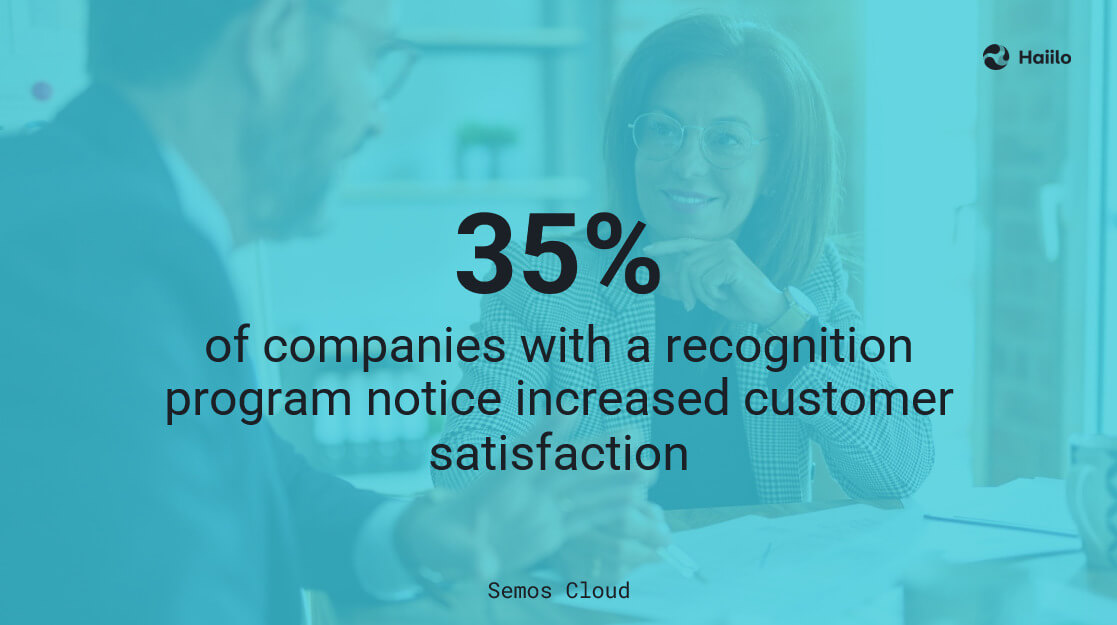
Employee recognition programs are great because they can be aligned with any KPI critical for your organization’s success. For most companies, that is customer satisfaction and loyalty.
So if you wish to improve customer facing KPIs in your organization, consider incentivizing those employees who have the biggest impact on them. For example, customer support teams can be recognized for exceptional service ratings, quick issue resolution, or positive customer feedback.
Recognition also affects the customer experience. Gallup research shows that organizations with highly engaged employees see 10% higher customer loyalty and engagement, reinforcing the link between employee appreciation and customer satisfaction.
When employees feel valued and motivated, they are more likely to go the extra mile for customers. This is another reason why organizations increasingly view employees rewards and recognition programs not just as HR initiatives, but as strategic drivers of business performance.
6 Steps to Build a Successful Employee Recognition Program
Next, we will cover the 6 must follow steps to implement and manage a successful employee recognition program. Well designed employees rewards and recognition programs do more than celebrate achievements. They make appreciation consistent, visible, and aligned with the behaviors that move your organization forward.
1. What type of program will you implement?
First of all, you need to decide whether your recognition program will be monetary or non monetary. Based on the budget you have, you can then decide about the awards that will be provided.
Next, you need to define eligibility requirements as well as thresholds for awards. For example, will recognition be tied to performance metrics, company values, or peer nominations? Clear criteria make recognition more transparent and prevent the program from feeling arbitrary.
Finally, think about the approval processes. Will recognitions and associated rewards have to be approved before they are sent out? Some organizations allow managers to grant rewards directly, while others implement peer recognition systems that allow employees to celebrate each other’s achievements.
Instead of guessing what types of awards motivate your employees, you can ask them so in a simple survey. Based on the findings, you can offer awards that will impact your employees’ experience in the workplace. Gathering this feedback also helps ensure that your employees rewards and recognition programs reflect what employees actually value, not just what leadership assumes they want.
2. How will you get employees’ and leadership’s buy in and engagement?
Lack of employee and leadership buy in is often the biggest culprit for the failure of employee recognition programs.
If leaders actively recognize employees and talk about the program, others will follow. When leadership ignores the program, participation quickly drops. Managers play a particularly important role because they interact with employees daily and can reinforce recognition as part of regular feedback.
When implementing the program, you need to make sure that you also have an appropriate internal communication strategy in place. Frequently communicating the benefits of employee recognition and providing content about best practices for giving recognition can significantly increase employees’ participation in the program.
For example, you can highlight recognition moments in company newsletters, internal platforms, or team meetings. Visible examples show employees how the program works and encourage others to participate.
📹 Check out our Masterclass about why you need an internal comms strategy!
3. What channels will employees use to give praise?
Recognition should be easy and natural. Don’t expect employees to log into separate tools every time they want to give praise.
Instead, recognition should happen where employees already communicate during the day. That could be your intranet, messaging platform, or internal social feed. When appreciation fits naturally into daily workflows, employees are far more likely to participate regularly.
For example, you can implement a #kudos channel inside your intranet or your instant messaging solution. A simple public shoutout for helping a teammate, solving a customer issue, or completing a challenging project can go a long way.
Many modern employees rewards and recognition programs are designed to integrate directly with communication tools so employees can recognize each other in seconds without interrupting their work.
4. What will be the reasons for recognition?
This is a critical step that can make or break your employee recognition program. Reasons for recognition should be tied to the ultimate business goals or core company values.
For example, if collaboration is one of your company values, recognize employees who support colleagues across teams. If customer focus is a priority, celebrate employees who receive exceptional customer feedback.
Aligning recognition with company priorities helps employees understand which actions and behaviors truly matter. Over time, this makes employees rewards and recognition programs an effective way to reinforce the culture and performance standards your organization wants to build.
5. Will the recognition be public or private?
Even though some companies still prefer recognition to be private, research has shown that social recognition often creates a stronger impact.
Whenever possible (and when employees are comfortable with it), make recognition visible to the rest of the workforce. For example, recognitions could appear in a public channel or in the news feed of your company’s social intranet.
Public recognition not only celebrates the individual but also highlights positive behaviors for the entire organization. It helps employees see what great work looks like and encourages others to follow similar examples.
This is a great way to build a positive workplace culture!
💡 Also, learn about the ultimate guide for building a corporate culture employees will want to be a part of.
6. How will you measure the success of the program?
Besides just measuring how engaged your employees are with the program, you should track the impact of recognition on the ultimate business goals.
For example, analyze whether teams that actively participate in recognition show improvements in engagement scores, retention, collaboration, or customer satisfaction.
If you have aligned recognition with the business KPIs, this should be fairly easy to do using a before and after analysis. Compare how much your business KPIs have improved after introducing the recognition program.
Tracking these results helps demonstrate the value of employees rewards and recognition programs and ensures the initiative continues to receive leadership support and investment.
6 Employee Recognition Program Ideas
When implementing employee recognition programs, many employers start with simple initiatives such as years of service awards and birthdays. But if you want recognition to truly influence culture and engagement, it helps to introduce a variety of initiatives employees can actively participate in.
Well designed employees rewards and recognition programs create frequent opportunities to celebrate achievements, reinforce company values, and make appreciation visible across teams. If you need some inspiration to make your programs more engaging, here are a few ideas to get started.
1. Employee of the month award
Every month, you could ask your workforce to nominate one person they think deserves the title of employee of the month.
After nominations, you can have a voting period during which everyone can support the colleague they believe made the biggest impact.
This type of award can be done on a monthly, quarterly, or yearly basis depending on the size of your organization. Some companies also introduce different categories such as collaboration, innovation, or customer impact to recognize a wider range of contributions.
The winners can be announced on your company’s intranet news feed or in an internal employee newsletter you send to your employees. Public recognition like this helps employees see what great work looks like and encourages others to follow similar examples.
2. The customer lover award
If customer service is important to you, you should definitely have an employee recognition program that motivates employees who interact with customers daily.
If you are tracking your employees’ performance through customer facing surveys, the best and most transparent option is to tie the recognition to those results.
For example, the employee who receives the highest customer satisfaction ratings or the most positive feedback during a certain period could receive the award. This approach keeps the recognition fair while reinforcing the behaviors that improve customer experience.
Programs like this work especially well when they are integrated into broader employees rewards and recognition programs that highlight the direct connection between employee contributions and business success.
3. The biggest ambassador award
If employee advocacy and ambassadorship are important to your organization, consider implementing a reward that will encourage employees to act as brand advocates.
Employees who actively share company news, industry insights, or employer branding content can significantly expand your reach online. Recognizing these contributions shows employees that their efforts outside traditional job tasks are valued.
If you have an employee advocacy solution implemented, it should be fairly easy to measure who in your organization is most engaged when it comes to sharing your company’s content on their private social media profiles.
Many organizations include ambassador initiatives within broader employees rewards and recognition programs to motivate employees to participate more actively and strengthen the company’s visibility through authentic voices.
4. Leadership award
Hopefully, bottom-up feedback is something your company practices. If so, you should be able to identify leaders with the most positive quarterly reviews.
Recognizing great leadership helps reinforce the behaviors that employees expect from their managers. It also shows that leadership is not only measured by results, but by how well managers support, communicate with, and empower their teams.
These leaders could be publicly recognized on your organization’s wall of fame so that other leaders get extra motivation to improve their leadership skills.
Including leadership focused initiatives in employees rewards and recognition programs also helps highlight the importance of supportive management for engagement and workplace culture.
5. Living by core values award
If you care that your employees live by your company’s core values, implement a program that directly reflects those values.
For example, if continuous learning is one of the values your company is trying to promote, then recognize those who actively invest in their knowledge through courses, certifications, or mentorship activities.
If honesty is what your company stands for, show appreciation to those who consistently communicate in an open and transparent way. Another example could be teamwork, where employees who regularly support colleagues across departments receive recognition.
Awards tied to company values help turn abstract statements into visible actions. Over time, employees rewards and recognition programs become a powerful way to reinforce the behaviors that shape your culture.
6. The true appreciator award
One of the best ways to drive more engagement with recognition programs is by rewarding those who actively participate.
Employees who frequently recognize their peers help create a culture where appreciation becomes part of everyday work. Highlighting these individuals encourages others to participate as well.
On a monthly or quarterly basis, you could reward those who sent the most recognition to their peers. This simple idea can significantly increase participation in your employees rewards and recognition programs and help appreciation spread more naturally across the organization.
Check out our report on the key drivers of employee engagement