
Advocacy marketing is one of the most powerful marketing strategies available today. More organisations are realising the value of trusted voices speaking on their behalf. Customers, employees, and partners have far more credibility than brand-led messaging, which is why advocacy programs are quickly becoming a must-have marketing tactic rather than a nice-to-have.
In this blog, we will go over the definition and benefits of advocacy marketing. You will learn why it works so well in an age of low trust in traditional advertising. We will also cover proven best practices for implementing and managing a successful advocacy marketing program that delivers long-term value, not just short-term reach.
📚 Before we move forward, check our eBook on “How to Succeed in Social Selling with Employee Advocacy”.

What is Advocacy Marketing
Advocacy marketing is defined as a marketing strategy that focuses on encouraging different stakeholders—such as employees, customers, contractors, and partners—to actively talk about the company, its products, and its services within their own networks. Instead of relying solely on brand-owned channels, advocacy marketing amplifies messages through people who already have trust and credibility.
Advocacy marketing is particularly beneficial within large organizations with many stakeholders. These organisations already have a broad network of voices that can extend reach far beyond traditional marketing efforts. When stakeholders are engaged and empowered to participate, advocacy marketing can drive meaningful business outcomes such as:
- Driving more brand awareness through trusted personal networks
- Driving more website visitors from authentic, peer-shared content
- Generating more high-quality leads based on credibility and relevance
- Increasing sales by supporting the buying journey with social proof
- Improving employer brand and building pools of qualified talent
Let’s now take a look at some specific reasons why advocacy marketing can be one of the most powerful marketing strategies available today.
💡 Related: 7 Things to Look for in a LinkedIn Elevate Replacement
The Rising Popularity of Advocacy Marketing
Advocacy marketing has been gaining attention among marketers for years. However, changes in how people work and communicate have made it even more relevant.
The shift toward remote and hybrid work has increased reliance on digital channels and social platforms for communication, information, and connection. As a result, people now spend more time engaging with content shared by individuals rather than brands. This shift has made advocacy marketing especially effective, as messages shared by employees and customers feel more personal, authentic, and trustworthy.
At the same time, traditional advertising has become easier to ignore. Audiences are more selective about what they engage with and are more likely to trust recommendations from people they know. Advocacy marketing fits naturally into this environment by turning real stakeholders into credible brand advocates who can reach audiences in a more human and relatable way.

Based on the latest global data, the combined time the world now spends on social media adds up to more than 1.7 million years every day. This figure is calculated from over 15 billion hours of daily usage worldwide and reflects how deeply social platforms are embedded in everyday life (DataReportal, 2025).
Shocking isn’t it?
As a result, companies are under growing pressure to earn attention rather than buy it. They need reach that feels human, credible, and scalable. That is why more teams are rethinking how they show up on social, and why advocacy marketing has become the most logical way forward. It turns existing voices into trusted distribution and helps brands cut through the noise.
💡 Related: Why Employee Advocacy Should Be in Every Job Description
Why Advocacy Marketing Is so Powerful
As mentioned earlier, advocacy marketing is a practical and high‑impact tactic that every organisation should consider as part of its core marketing mix.
Instead of relying solely on brand channels, advocacy marketing uses employees, partners, or customers to share messages through their own networks. These messages feel more personal and earn higher trust. Recent industry research consistently shows that employee‑shared content drives stronger engagement and broader organic reach than posts from corporate accounts alone Hootsuite, 2025.
Because distribution is powered by people rather than paid media, advocacy marketing is also cost‑efficient. It helps brands attract new customers, support sales, and build credibility without increasing ad spend. Over time, this makes advocacy marketing one of the most effective ways to grow awareness and revenue while keeping costs under control.

💡 Related: The benefits of having your own employees as brand advocates.
Let’s now take a look into some specific reasons why every company should invest in advocacy marketing.
Trust
Trust is the foundation of effective advocacy marketing. People are far more likely to believe messages shared by other people than those coming directly from brands.
Recent findings from the Edelman Trust Barometer show that peers and employees are trusted significantly more than CEOs, institutions, or advertising. In contrast, traditional advertising continues to struggle with credibility, especially among digitally active audiences.
Today, people are overwhelmed with information overload, and they constantly question what is real, biased, or exaggerated. However, when information comes from someone they already know or respect, it feels more authentic. As a result, the willingness to listen, engage, and act increases sharply.
Reach
Social media is now a core part of almost every marketing strategy. As usage continues to rise, word‑of‑mouth recommendations can travel further and faster than ever before.
Let’s prove that with a simple real‑life scenario.
If one advocate is connected to around 400 people across their social networks, every post they share has the potential to reach hundreds of others organically. That reach grows quickly as more advocates get involved.
Therefore, if your organization has:
- 10 advocates, they could reach up to 4,000 people
- 1,000 advocates, they could reach up to 400,000 people
- 10,000 advocates, they could reach up to 4,000,000 people
This kind of scale is difficult and expensive to achieve with paid media alone. Advocacy marketing makes it possible by turning everyday connections into meaningful brand reach.
Impressive isn’t it?

Social selling
For many organisations, social selling is one of the most effective modern sales strategies. When done well, it helps sales teams build relationships, stay visible throughout long buying cycles, and engage prospects before a formal sales conversation even begins.
Advocacy marketing plays a critical role here. When employees actively share insights, content, and expertise on social channels, they support sales in a way that feels natural rather than promotional. This activity helps warm up leads, reinforce credibility, and shorten the path to trust.
What matters most is not aggressive selling, but consistency and relevance. Sales professionals who use social channels to listen, comment, and add value tend to build stronger networks over time. Those networks then become a reliable source of conversations, referrals, and inbound opportunities.
In practice, organisations that encourage social selling through advocacy marketing often see:
- Stronger relationships with prospects before direct outreach begins
- Higher visibility for sales teams within their target markets
- More informed and trust‑based sales conversations
- Better alignment between marketing and sales activity
Rather than replacing traditional sales efforts, social selling amplifies them. Advocacy marketing gives sales teams the reach and credibility they need to show up early, stay relevant, and sell more effectively.

Thought leadership
Employers who actively support advocacy marketing are more likely to build long‑term credibility with prospects. They do this by empowering their stakeholders to become thought leaders within their industry, rather than relying solely on branded messaging.
When employees across marketing, sales, and other departments engage consistently on social media, they help shape meaningful industry conversations. This not only increases brand visibility, but also strengthens individual personal brands. Over time, both benefit from greater trust and authority among relevant audiences.
Thought leadership works because it focuses on insight, experience, and usefulness. Prospects are more likely to engage with professionals who share informed opinions, practical advice, and real‑world perspectives. Advocacy marketing makes this possible at scale by enabling many credible voices instead of a single corporate one.
💡 Related: What Are The Top Leadership Skills That Make a Great Leader?
Customer loyalty
Advocacy marketing does not only support acquisition. It also plays a key role in retaining existing customers and strengthening long‑term loyalty.
As explained in this overview of word‑of‑mouth marketing, recommendations shared by real people reinforce trust and keep brands top of mind well beyond the first purchase. Customers are more likely to stay loyal when they feel confident in their decision and see others validating that choice.
Advocacy marketing encourages customers, employees, and partners to share genuine experiences. These shared experiences create a sense of community around the brand and help maintain relationships over time. As outlined in HubSpot’s guide to advocacy marketing, loyal advocates often become repeat buyers, referrers, and long‑term supporters.
By focusing on trust, relevance, and real connections, advocacy marketing helps brands turn satisfied customers into lasting advocates rather than one‑time transactions.

Revenue
The previously mentioned examples already highlight the strong ROI of advocacy marketing. However, since most organisations ultimately evaluate new initiatives based on revenue impact, it is important to look at how advocacy marketing contributes directly to growth.
Advocacy marketing influences revenue by supporting the full buying journey. It increases visibility at the top of the funnel, builds trust during consideration, and reinforces confidence at the decision stage. When prospects repeatedly see credible voices sharing relevant insights, they are more likely to convert and less likely to churn.
Recent industry analysis shows that advocacy programmes consistently contribute to pipeline growth, higher‑quality leads, and lower acquisition costs. For example, modern ROI frameworks for employee advocacy focus on earned media value, improved conversion rates, and reduced paid media dependency. These outcomes all have a direct and measurable impact on revenue performance.
In addition, advocacy marketing strengthens word‑of‑mouth at scale. When customers and employees share real experiences, those messages tend to influence buying decisions more effectively than paid campaigns alone. As outlined in recent advocacy ROI research, people‑driven distribution often delivers higher efficiency and stronger long‑term returns than purely advertising‑led approaches.
In short, advocacy marketing does not replace traditional revenue drivers. It amplifies them. By combining trust, reach, and consistency, it helps organisations grow revenue more sustainably while reducing reliance on rising media costs.

Hopefully, by now you have realized the real benefits of advocacy marketing.
Now let’s dig deeper into how organizations can drive advocacy among their stakeholders, with employees being one of the most important groups to focus on.
How to Drive Advocacy Marketing In Your Organization
Most organizations want to leverage the power of advocacy marketing to achieve stronger and more sustainable business results. However, advocacy marketing and brand ambassadorship programs must be clear, well‑structured, and communicated consistently across the organization to succeed.
While many stakeholders already have strong potential to become advocates, organizations often do not know how to enable or support them properly. Without guidance, tools, and clear expectations, even motivated employees may hesitate to participate or fail to see the value of advocacy.
Like any change management project, a successful advocacy marketing initiative needs a defined strategy. This includes clear ownership, realistic goals, and a structured plan for how the programme will be launched, adopted, managed, and measured over time.
Advocacy does not happen by accident. It requires leadership support, ongoing communication, and practical enablement that makes participation easy and rewarding for employees. When these elements are in place, advocacy marketing can become a natural and scalable part of everyday work rather than an extra task.
In the next section, we will cover a set of core principles that most successful advocacy marketing programmes have in common.
But before we move forward, check out our webinar: 5 Lessons From Managing Billion Dollar Employee Advocacy Programs.
Get the leaders on board
Before implementing a new advocacy initiative, the responsible departments first need to sell the idea internally. The most effective way to do this is by clearly proving and presenting the ROI of brand advocacy in business terms that leaders care about.
Senior stakeholders want to understand how advocacy marketing supports strategic goals such as growth, visibility, talent attraction, or efficiency. Clear data, realistic use cases, and concrete outcomes help position advocacy as a business initiative rather than a marketing experiment.
Without leadership buy‑in and trust, new projects often struggle to gain momentum. Leaders play a key role in setting priorities, allocating resources, and shaping culture. When they actively support advocacy marketing, it sends a strong signal that participation is encouraged, valued, and aligned with the organisation’s direction.
In short, leadership endorsement is not optional. It is a critical success factor for turning advocacy marketing into a long‑term, scalable programme rather than a short‑lived initiative.

Appoint the right person to lead the program
Marketing departments are usually responsible for implementing and managing advocacy programmes within organisations.
In most cases, this responsibility sits with professionals in marketing or social media teams who understand the power of social media and word‑of‑mouth when it comes to driving awareness, trust, and demand. These individuals are already familiar with content strategy, audience behaviour, and channel performance, which makes them well‑positioned to lead advocacy efforts.
Just as important, the programme lead must have https://blog.haiilo.com/blog/top-5-communication-skills-and-how-to-improve-them/excellent communication skills. Advocacy programmes succeed only when guidance is clear, expectations are well explained, and stakeholders feel supported rather than pressured to participate.
When it comes to advocacy programmes, these professionals’ responsibilities typically include:
- Developing and maintaining a clear content calendar plan
- Identifying advocates who have the greatest potential to deliver meaningful impact
- Training stakeholders on how to advocate effectively and confidently
- Creating a calendar of important company milestones, launches, or campaigns
- Continuously tracking and measuring the performance of advocacy activities
- Making adjustments based on real data, feedback, and insights
A dedicated owner ensures the programme stays focused, consistent, and aligned with broader business goals, rather than becoming an ad‑hoc or short‑lived initiative.
Communicate the benefits of advocacy marketing
To encourage employees and other stakeholders to become advocates, programme owners must clearly communicate the value of advocacy marketing. This communication should happen using the right communication channels and be repeated regularly, not treated as a one‑off announcement.
It is often effective to show how advocacy can directly support organisational goals. Existing case studies make it relatively easy to demonstrate how advocacy marketing can help marketing and sales teams reach their KPIs, whether through increased reach, stronger engagement, or better‑qualified conversations.
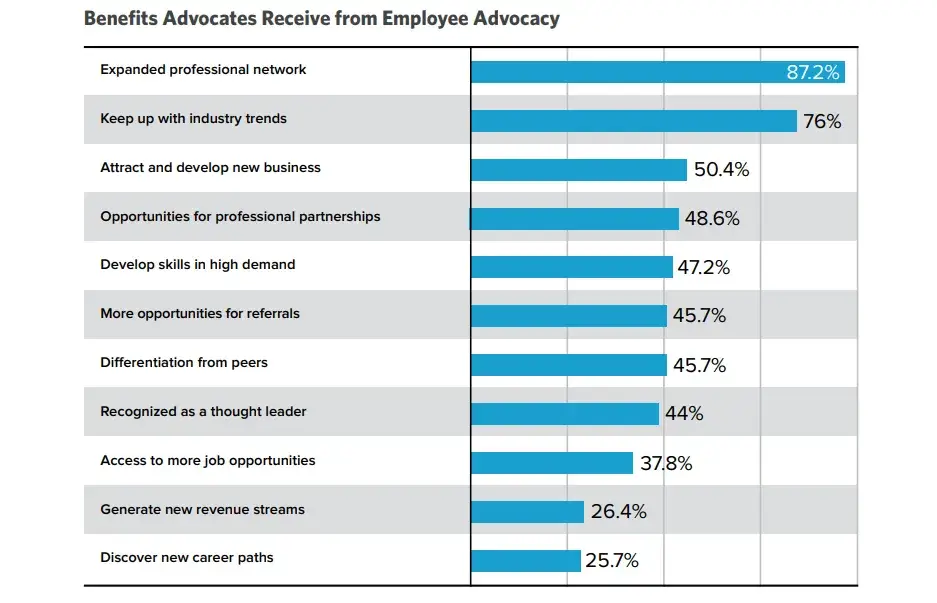
At the same time, it is critical to communicate what individuals gain from participating. Advocacy should not feel like unpaid promotion. Employees are more likely to engage when they understand how advocacy helps them build visibility, strengthen their professional reputation, expand their networks, and develop valuable skills.
Clear, honest communication around both organisational and personal benefits helps remove hesitation, builds trust in the programme, and drives more sustainable participation over time.
Set clear goals, policies, and procedures
To drive consistent and long‑term engagement with your advocacy programmes, it is essential to have a clear set of goals, policies, and procedures that everyone can follow.
Many employees genuinely want to act as brand advocates, but they are often unsure what is allowed, expected, or helpful. This is why a clear and accessible social media policy is one of the most important foundations of any successful advocacy marketing programme. It removes uncertainty, reduces risk, and gives employees the confidence to participate.
Alongside policies, organisations should define a small set of meaningful goals. Clear goals help advocates understand what success looks like and how their actions contribute to broader business outcomes. When expectations are transparent, participation tends to be more focused and effective.
Some common advocacy marketing goals can include:
- Increase reach on social media by X%
- Increase traffic to the website by X%
- Increase the number of closed‑won deals by X%
- Reduce the time needed to close a deal by X%
Well‑defined goals and procedures turn advocacy from a vague idea into a structured programme that employees can easily support.
Find the right advocates
One of the most challenging steps in any new advocacy marketing initiative is identifying who is most likely to succeed as an advocate. Many organisations lack the data or visibility needed to make this decision confidently.
Teams that use the right advocacy tools can identify individuals who are already active on social media, who regularly share company‑related content, and who consistently generate engagement within their networks. These signals help organisations focus their efforts where they will have the greatest impact.
Being data‑driven and selecting advocates based on real behaviour often separates high‑performing advocacy programmes from those that struggle to gain traction. Starting with motivated and visible advocates also helps set a positive example for others to follow.
When it comes to customers, one of the most practical ways to identify advocates is by tracking Net Promoter Score (NPS). Customers with high NPS are more likely to recommend your brand, share positive experiences, and actively support advocacy efforts.
💡 Related: How to: Business Success through Employee Advocacy
Implement a customer referral program
Customer referrals remain one of the most effective marketing and sales tactics available. Many organisations run structured referral programmes that reward existing customers for introducing new prospects.
A well‑designed referral programme makes advocacy easy and intentional. It gives satisfied customers a clear reason to share, provides guidance on how to refer others, and ensures the experience feels positive for both the referrer and the new customer.
When referral programmes are managed centrally by marketing, they tend to align more closely with brand messaging, customer experience, and revenue goals. Over time, this approach helps turn satisfied customers into repeat referrers and long‑term advocates, reinforcing advocacy marketing as a reliable growth channel.

However, it is important to remember that a great customer experience is the ultimate prerequisite for running successful customer referral programmes. Without consistently positive experiences, even the most well‑designed referral incentives will fail to generate meaningful advocacy.
Showcase your customers’ stories on marketing and sales materials
Because your customers’ words often carry more weight than your own brand messaging, it is essential to amplify your customers’ experience stories across marketing and sales channels.
Customer stories add credibility, reduce perceived risk, and help prospects see real‑world value. They also support advocacy marketing by giving existing customers a platform to share their success and feel recognised for it.
Common and effective ways to showcase customer stories include:
- Customer success stories published on your website
- Customer testimonials featured on key landing pages
- YouTube videos with customer testimonials or short interviews
- Customer case studies used in sales presentation decks
- Including existing customers in product demos with new prospects
- Sharing customer stories and quotes across social media channels
When these stories are authentic and specific, they reinforce trust and make advocacy marketing more believable and relatable.
Encourage customers to review your products and services
Review platforms such as G2, Capterra, GetApp, Amazon, eBay, and other e‑commerce or software review sites are widely seen as some of the most trusted sources of information for prospective customers.
Collecting high‑quality reviews is critical because they validate your value proposition through real customer experiences. Recent consumer research shows that up to 98% of consumers read online reviews before making a purchase decision and that reviews strongly influence trust and buying behaviour Forbes.
Encouraging satisfied customers to leave honest reviews helps strengthen credibility, improves conversion rates, and supports advocacy marketing by turning positive experiences into visible social proof.

Moreover, this type of social proof can strengthen your wider marketing efforts, including SEO visibility and positioning in Google search results. Reviews send strong trust and relevance signals, which can support local search performance by improving click‑through rates and credibility when customers compare nearby options.
Make it easy for stakeholders to advocate
If you want employees, customers, and partners to actively advocate for your brand, you must make the experience easy, enjoyable, and rewarding.
Advocacy should never feel like extra work. Stakeholders should be able to share content or recommendations in seconds, without friction or uncertainty. The simpler the process, the more likely people are to participate consistently.
They should not have to search for what to share or guess what is appropriate. Instead, the right content should find them, already aligned with brand guidelines and current priorities. When advocacy is built into existing workflows and tools, participation becomes natural rather than forced.
Removing barriers, saving time, and showing appreciation are key. When stakeholders feel supported and empowered, advocacy marketing becomes a habit rather than a task.
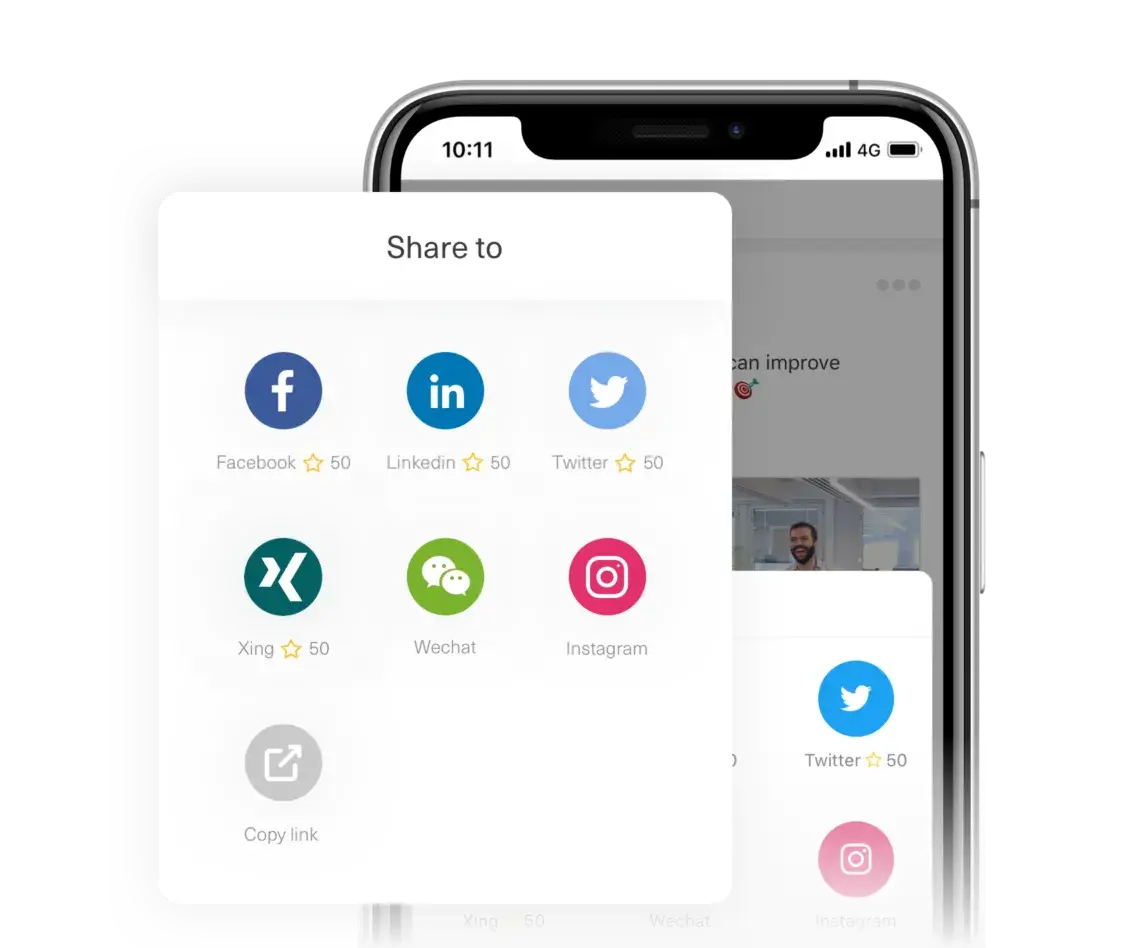
Moreover, advocates shouldn’t be the ones worrying about when and what to advocate. That responsibility should sit with programme admins, whose role is to make advocacy as smooth, consistent, and productive as possible. They should create and distribute ready‑to‑share content that both internal and external advocates can amplify with minimal time and effort.
When content is curated, relevant, and easy to access, advocates are far more likely to participate regularly. This removes friction, reduces hesitation, and ensures messages stay aligned with business priorities and brand guidelines.
Yet, due to the lack of the right technology and processes, a lot of important information within large organizations often gets lost. As a result, potential advocates miss timely updates, campaigns lose momentum, and opportunities for reach and engagement go unused.
Measure the success of advocacy marketing
To connect advocacy marketing efforts to the goals defined earlier, it is essential to measure performance in a structured and consistent way.
Without measurement, advocacy remains a feel‑good activity rather than a credible business programme. Clear metrics help teams understand what is working, where engagement drops, and how advocacy contributes to broader marketing, sales, and communication outcomes.
Despite this, many organisations still lack a simple and reliable way to measure the impact of their advocacy marketing efforts. Data is often fragmented across tools, or success is measured only through vanity metrics that do not reflect real business value.
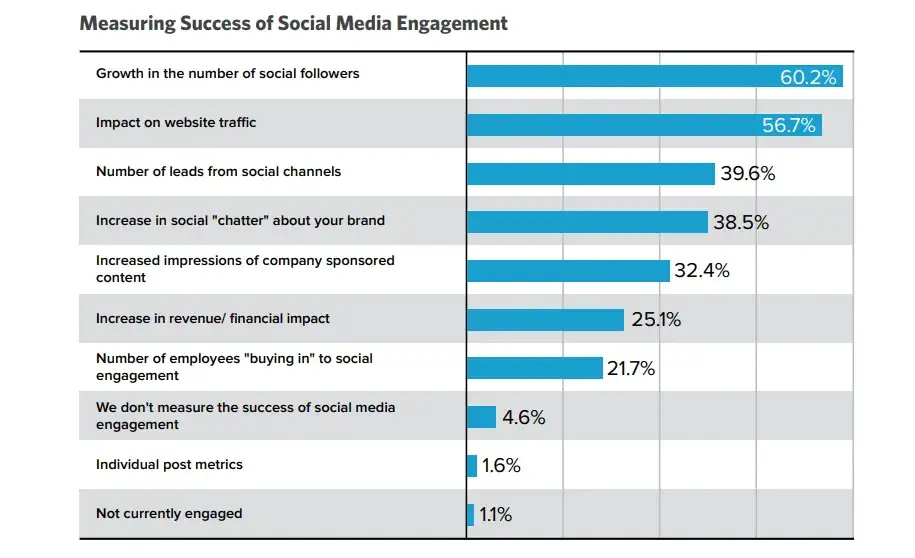
Effective advocacy measurement typically focuses on a mix of activity, reach, engagement, and business impact. Examples include participation rates, content shares, audience reach, engagement levels, website traffic influenced by advocacy, and contribution to pipeline or conversions.
When these metrics are tracked consistently, organisations can optimise content, improve enablement, and demonstrate the real value of advocacy marketing to leadership and stakeholders alike.
Recognize and reward advocates’ effort
Advocacy programmes should feel rewarding, engaging, and closely aligned with your core corporate values. When advocacy reflects what your organisation stands for, participation feels more meaningful and authentic.
Adding a layer of gamification and healthy competition can significantly increase motivation. Leaderboards, progress tracking, and simple challenges help advocates see the impact of their actions and stay engaged over time. These mechanics work best when they encourage collaboration rather than pressure.
Advocates who consistently contribute and achieve strong results should be visibly acknowledged. Recognition does not always need to be financial. Public appreciation, internal visibility, professional development opportunities, or exclusive experiences can be just as powerful. These moments of recognition reinforce desired behaviours and signal that advocacy is valued at every level of the organisation.
Taking Your Advocacy Marketing Efforts to the Next Level
Without the right mix of expertise, leadership commitment, and supporting technology, implementing and managing a successful advocacy marketing programme can be a tall order for organisations.
As outlined earlier, involving your own employees in advocacy marketing is often the most effective way to unlock the highest possible ROI of advocacy. Employees already understand the brand, believe in the mission, and have trusted networks that cannot be replicated through paid channels.
However, many organisations still struggle with turning employee advocacy into a scalable and sustainable programme. Unclear ownership, lack of structure, limited enablement, and poor measurement frequently stand in the way of success.
As a result, even well‑intentioned advocacy initiatives can lose momentum or fail to deliver impact. Understanding these barriers is the first step toward overcoming them.
These are some of the challenges most organisations face.
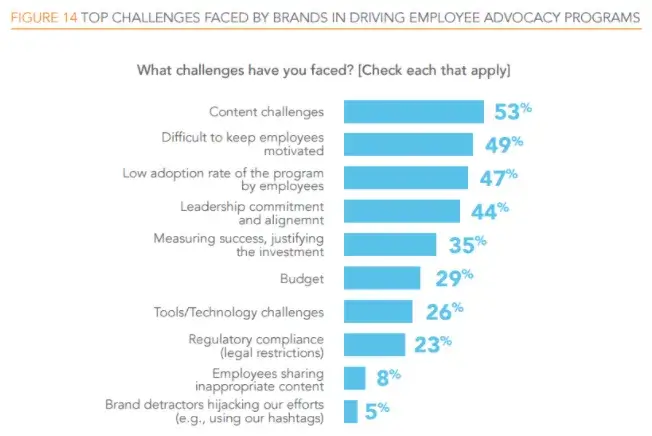
Robust, comprehensive, and intuitive advocacy tools are among the most effective ways to eliminate many of the challenges organisations face when scaling advocacy marketing.
Purpose‑built platforms such as Haiilo’s employee advocacy solution help turn advocacy from a manual, fragmented effort into a structured and measurable programme. They reduce friction for advocates while giving programme owners the control, visibility, and insights they need to drive consistent results.
With the right advocacy technology in place, organisations can:
- Send the right content to the right employees at the right time, based on role, location, or relevance
- Make content easy to find, clearly contextualised, and immediately useful for advocates
- Empower advocates with one‑click sharing features that remove effort and uncertainty
- Enable advocates to schedule posts at optimal times without manual planning
- Ensure shared messages remain compliant with company guidelines by managing keywords, tone, and approvals
- Encourage and scale employee‑generated content alongside centrally curated content
- Gamify the experience by showing how advocates compare with peers in driving reach, traffic, and engagement
- Understand which content resonates most across the organisation, while also drilling down into performance by region, team, or individual
By combining enablement, governance, and measurement in one place, advocacy tools help organisations unlock the full potential of advocacy marketing. They make participation easier for advocates and outcomes clearer for the business, creating a sustainable foundation for long‑term success.

Frequently Asked Questions about Advocacy Marketing
What is advocacy marketing and how is it different from traditional marketing?
Advocacy marketing focuses on enabling real people—employees, customers, or partners—to share authentic brand messages through their own networks. Unlike traditional marketing, which relies heavily on paid media and brand‑led content, advocacy marketing builds trust through personal voices. When employees act as advocates, their messages often feel more credible and relevant than corporate posts. This is why many organisations invest in structured employee advocacy programmes supported by platforms like Haiilo’s employee advocacy solution.
How does advocacy marketing support business goals like lead generation or hiring?
Advocacy marketing supports real business outcomes when it is aligned with clear goals. Employee‑shared content can extend reach, drive qualified traffic, and warm up prospects before direct sales conversations begin. It also plays an important role beyond revenue, including lead generation, talent acquisition, and employer branding. By showing real people behind the brand, advocacy marketing makes organisations more relatable and trustworthy.
What makes an advocacy marketing programme successful?
Successful advocacy marketing programmes are simple to join, clearly guided, and properly measured. Employees need to know what to share and why it matters, while programme owners need visibility into performance. Measurement is key. Tracking participation, reach, and engagement helps teams optimise content and prove value, as explained in this guide to employee advocacy analytics. Without clear insights, it is difficult to scale advocacy or link it to business impact.
Why is trust such a critical factor in advocacy marketing today?
Trust in traditional marketing continues to decline, especially on social platforms. People are far more likely to believe messages shared by individuals they know or relate to. Advocacy marketing works because it rebuilds trust through human voices rather than logos. Employees and brand ambassadors help close the credibility gap by sharing real experiences and perspectives. This is increasingly important in a landscape where, as outlined in why trust in marketing is declining, audiences are more sceptical of brand‑led messaging than ever before.
See the benefits of using Haiilo today