
Brand advocacy can be one of the most powerful ways to build brand awareness, drive new leads, close new customers, and attract and hire new job candidates. When credible voices inside the organisation share authentic experiences, messages tend to travel further and land with more trust than brand-led campaigns alone.
Research from Weber Shandwick shows that only a minority of employees actively advocate for their company today – yet a much larger group is open to doing so. This gap highlights the untapped opportunity many organisations are sitting on. Without the right structure, guidance, and incentives, that potential rarely turns into sustained participation or measurable impact.
In this blog post, we explore why brand advocacy matters, the common challenges organisations face, and the best practices for creating, launching, and managing an effective brand advocacy program. You’ll also learn how leading companies enable employees to participate confidently, consistently, and in ways that support both business and employer branding goals.
Employee advocacy is the best way to do brand advocacy. Get the right EA platform to achieve success!
What is Brand Advocacy?
Brand advocacy is a term used to describe actions taken by people who genuinely value your brand and continuously support your organisation by promoting your products, services, or employer brand to new audiences. This support can take many forms — from sharing company content online and recommending solutions to peers, to speaking positively about the organisation as a place to work.
When brand advocacy is structured and supported through a clear brand advocacy program, it helps organisations reach wider and more relevant audiences than traditional marketing alone. Messages shared by employees, customers, and partners are often seen as more credible, helping to strengthen brand awareness, accelerate trust, and support both revenue growth and employer branding efforts. Over time, this approach can also reduce reliance on paid media by amplifying reach organically.
That’s why having brand advocates within your organisation can deliver significant business value — when participation is enabled, guided, and aligned with clear goals.
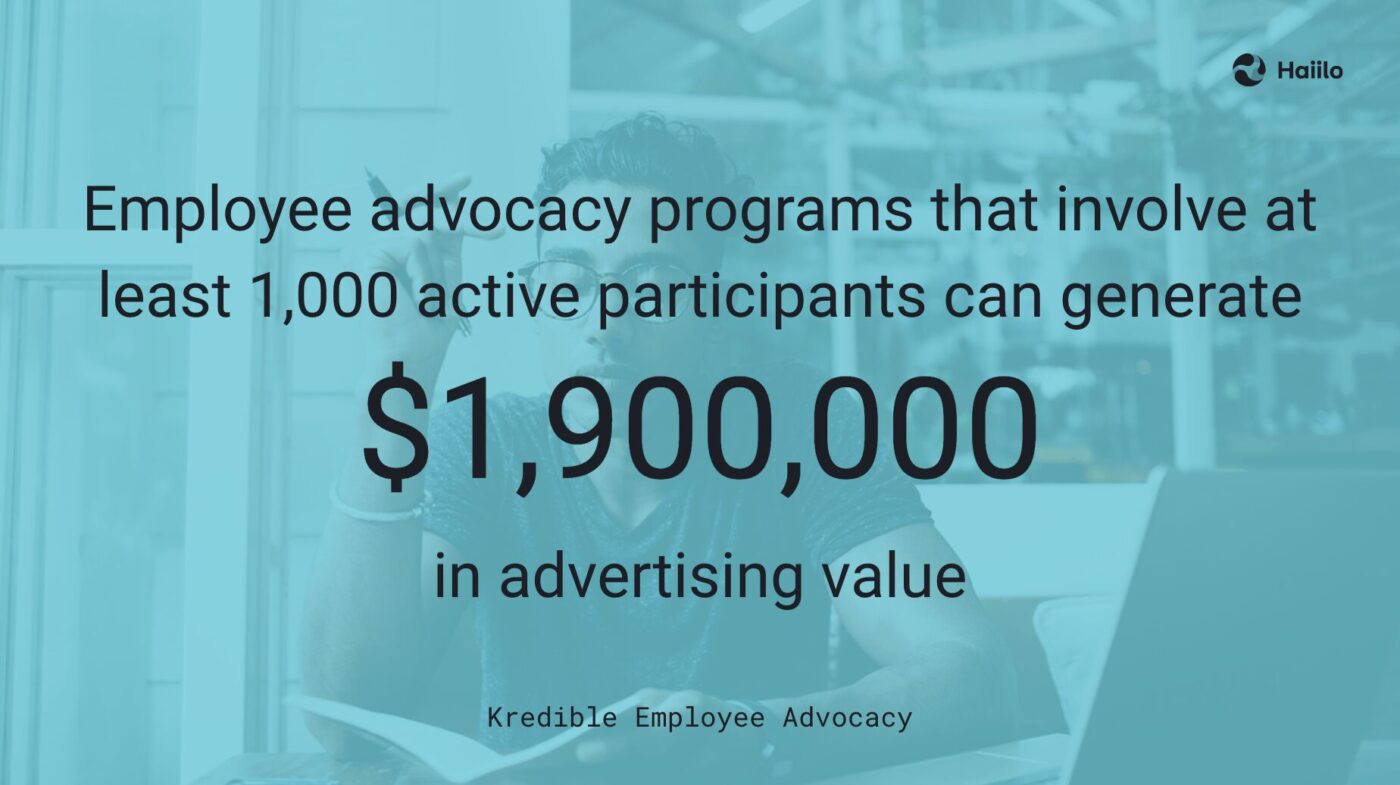
As an illustration, industry research frequently highlights the scale of this impact. Studies referenced by the influencer and employee advocacy community show that large-scale employee advocacy initiatives can generate substantial earned media value when participation is active and consistent. While results vary, the underlying takeaway is clear: advocacy delivers measurable visibility when organisations invest in doing it well.
Who Can Be a Brand Advocate?
A brand advocate can be anyone who actively supports your organisation by taking part in brand‑promotion activities that contribute to visibility, trust, and long‑term growth. Advocacy is not limited to marketing teams or executives — it emerges wherever people have positive, authentic experiences with your brand.
The four most common groups of brand advocates include:
- Employees: Employees typically have the deepest understanding of your products, services, and culture. When enabled through a structured brand advocacy program, they can become highly credible advocates for both your offering and your employer brand. In larger organisations especially, employee advocacy can dramatically extend reach without increasing media spend.
- Business partners: Partners and affiliates who closely collaborate with your business can help extend brand awareness into adjacent markets or industries. Their advocacy is particularly effective when messaging aligns with shared goals and value propositions.
- Influencers: Influencers are individuals with established followings on social platforms who can amplify brand messages quickly. While they can drive visibility, influencer advocacy often requires substantial investment and may lack the authenticity of internal voices.
- Customers: Customers who share reviews, testimonials, or recommendations play a powerful role in the buying cycle. Peer validation and word‑of‑mouth remain highly influential in B2B and B2C decision‑making.
While it would be ideal to activate all these groups, doing so is often complex. Influencers can be costly, and customers are not always easy to engage consistently in brand promotion efforts.
By contrast, employees are widely regarded as the most sustainable and trusted brand advocates for both employer and corporate branding. A well‑designed employee advocacy program removes barriers to participation, provides clear guidance, and makes sharing relevant content easy and rewarding. This is why many organisations prioritise employee advocacy as the foundation of their broader advocacy strategy.
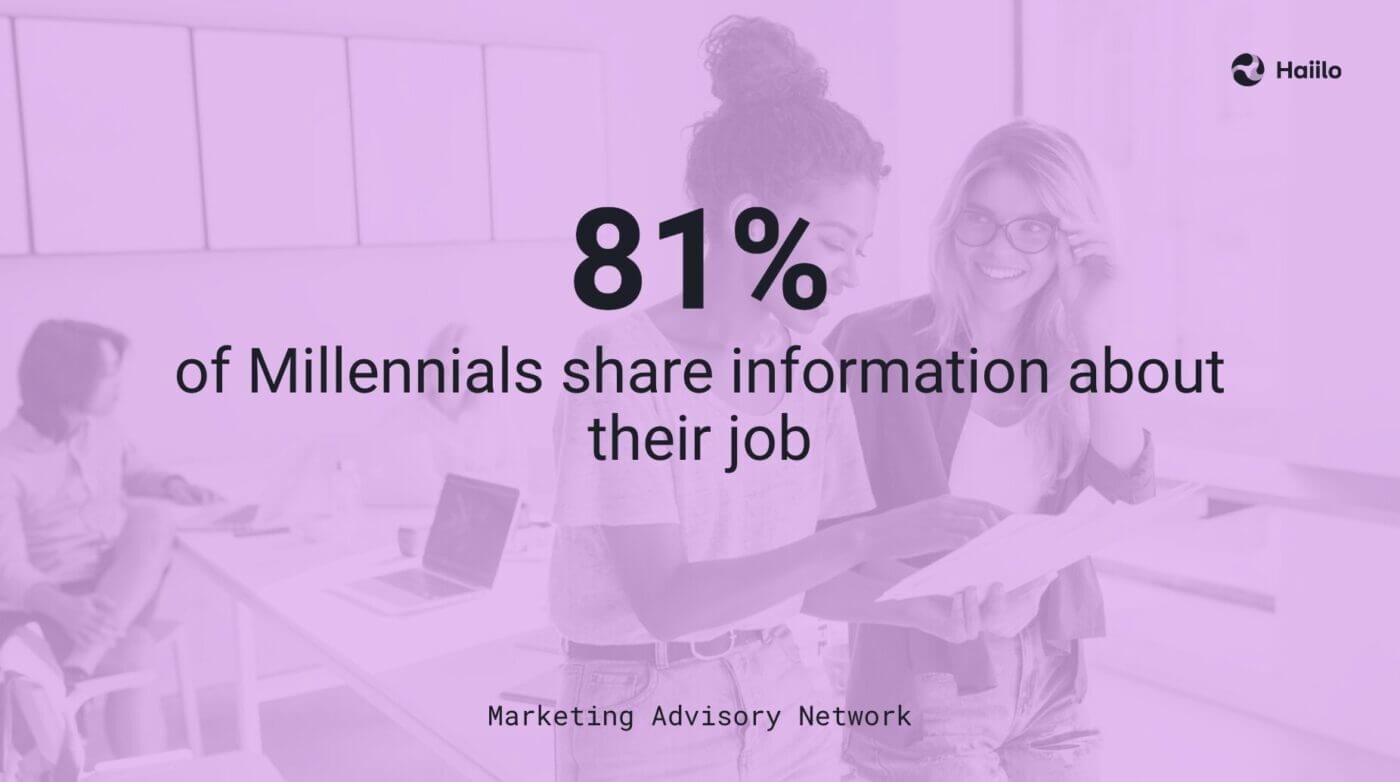
It’s also important to recognise that advocacy behaviour varies across the generations in the workplace. Research consistently shows differences in how comfortable employees feel sharing work‑related content online, making it essential to offer flexible participation options and support so advocacy feels voluntary, inclusive, and aligned with individual preferences.
Brand Advocacy Challenges
Throughout this blog, you will learn more about the benefits of brand advocacy. However, despite being aware of the upside, many organisations still struggle to build, implement, launch, and manage effective successful advocacy programs that deliver long‑term value.
One of the biggest reasons is that advocacy is often treated as a one‑off campaign rather than a sustained brand advocacy program. Without clear goals, leadership support, and the right enablement, participation quickly drops and results become difficult to justify internally.
The image below highlights some of the most common brand advocacy challenges. These typically include difficulty motivating employees to participate consistently, limited visibility into performance and impact, lack of buy‑in from leadership or key stakeholders, and outdated or poorly integrated technology that makes advocacy feel manual or time‑consuming. Addressing these challenges early is critical to turning advocacy from a nice idea into a scalable, measurable business channel.

How to Build a Successful Brand Advocacy Program
LinkedIn research, cited by Fast Company, found that employees collectively tend to have far greater social reach than their employer’s official channels. While only a small percentage of employees actively reshare company content, their activity accounts for a disproportionate share of overall engagement. In practical terms, this means that even modest participation can deliver outsized visibility when advocacy is done well.
As a result, many organisations are looking for ways to encourage employees — as well as partners, contractors, and consultants — to take part in a formal brand advocacy program. However, participation alone is not enough. Without clear structure, guidance, and alignment, advocacy efforts often stall or remain difficult to scale.
To get the most out of stakeholder engagement, organisations need well‑defined brand advocacy strategies that clarify purpose, expectations, and value for everyone involved. This includes aligning advocacy with business goals, making participation easy, and ensuring contributors feel confident sharing content in their own voice.
Let’s take a closer look at some of the most effective best practices for creating, launching, and managing successful brand advocacy programs.
1. Communicate the benefits to build trust and create a sense of purpose
One of the most important prerequisites for successful brand advocacy programs is earning employees’ and stakeholders’ buy‑in through https://blog.haiilo.com/blog/workplace-communication-20-ways-to-effectively-communicate-with-your-employees/proper internal communications. Advocacy works best when it is voluntary, transparent, and clearly beneficial to participants.
Marketers, who are often responsible for managing advocacy initiatives, play a key role in explaining how advocacy supports both the organisation and the individual. This includes showing how participation can strengthen employees’ personal brands, expand professional networks, and showcase expertise — while also helping the company build trust, reach new audiences, and reinforce its employer brand.
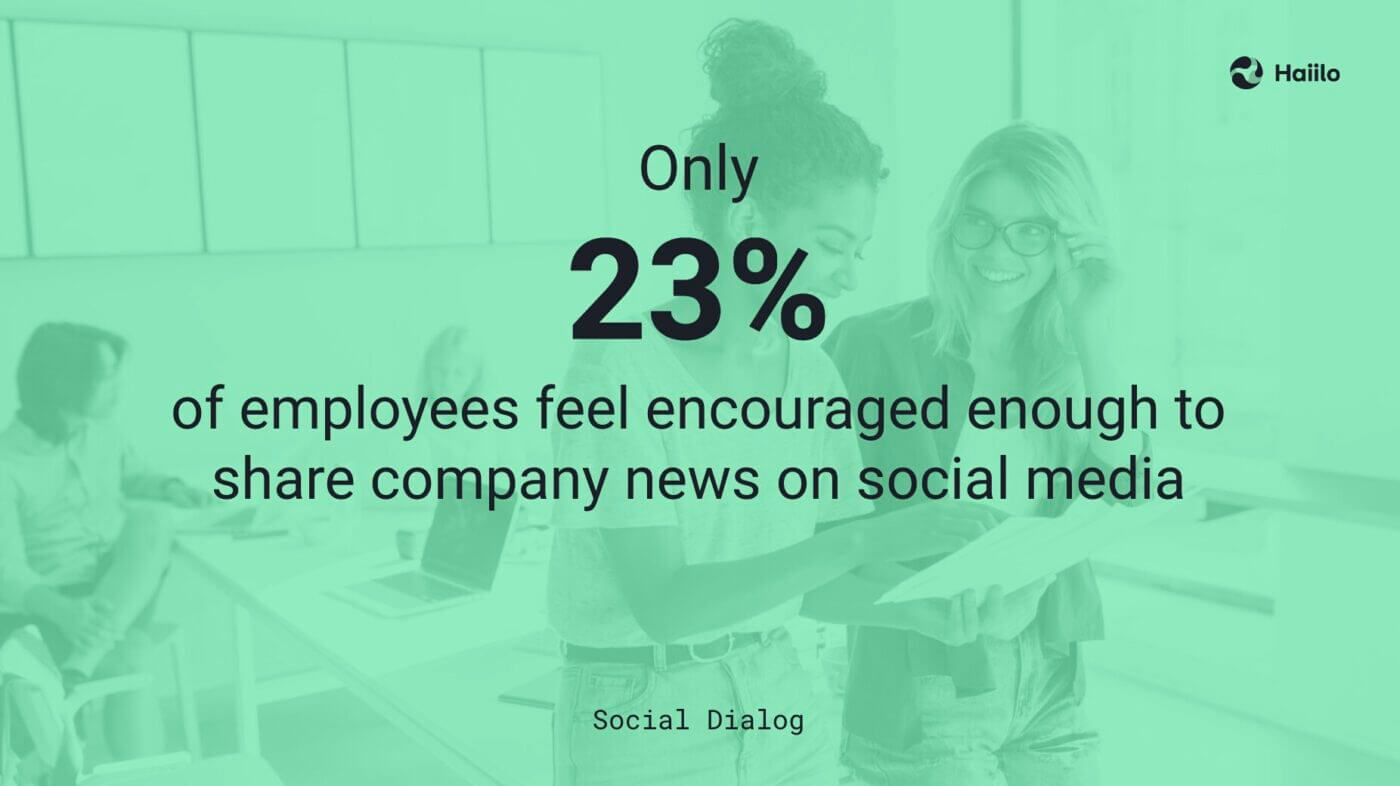
Furthermore, linking employees’ work to a broader organisational and societal purpose helps build trust over time. When people clearly understand how their role contributes to something meaningful — beyond revenue alone — they are more likely to feel confident representing the organisation externally. High‑trust workplaces consistently see stronger engagement, discretionary effort, and voluntary advocacy, all of which are essential for a sustainable brand advocacy program.
Rather than relying on a single trust statistic, many organisations now focus on embedding purpose into everyday communication, leadership messaging, and internal campaigns. This creates the foundation advocacy needs to feel authentic instead of performative.
📙 Also read: How to build an internal communications strategy employees trust.
2. Define policies and train your advocates
While younger generations such as millennials and Gen Z are generally comfortable using social platforms, confidence levels still vary widely. Many employees — regardless of age — are unsure what is appropriate to share, how to adapt messages to their own voice, or how advocacy fits alongside their day‑to‑day responsibilities.
This is why clear guidelines, lightweight training, and practical examples are critical. A successful brand advocacy program removes uncertainty by setting clear boundaries, offering do’s and don’ts, and giving employees ready‑to‑share content they can personalise. When advocates feel informed and supported rather than policed, participation becomes easier, more consistent, and far more effective.
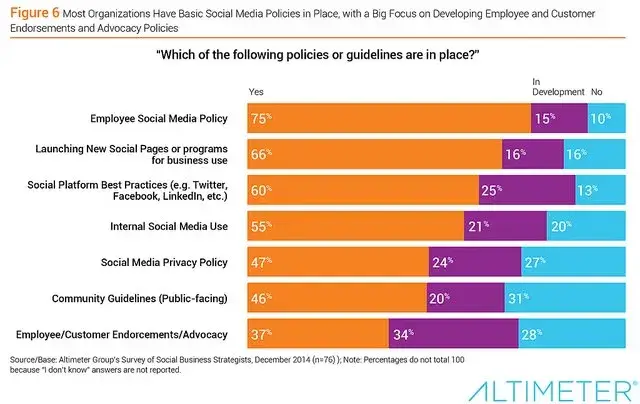
Organise short, focused training sessions and internal marketing campaigns to ensure everyone understands the policies, the key ‘do’s and don’ts, and the specific goals of your brand advocacy program. Keeping guidance practical and easy to revisit — for example through short videos, FAQs, or internal hubs — helps normalise advocacy and reduces hesitation over time.
3. Define goals, objectives and policies
Every advocacy initiative should have clear goals and objectives in order to https://blog.haiilo.com/blog/internal-communications-how-to-align-employees-with-your-strategic-goals/keep employees and other stakeholders aligned. These goals will vary depending on which function is leading the initiative — whether marketing, sales, HR, or communications — but all participants should understand what success looks like and how their activity contributes to it.
Defining measurable KPIs also makes it easier to track progress, demonstrate value to leadership, and continuously improve your brand advocacy program over time.
Some of the specific goals and objectives your program can aim to achieve include:
- Increase company LinkedIn followers by X%
- Increase website traffic by X%
- Boost engagement on social media by X%
- Increase the number of MQLs or SQLs by X%
- Increase the number of qualified job applicants by X%
- Increase the number of Glassdoor reviews by X%
4. Create and distribute engaging internal content
The more engaging your internal content is, the more motivated your advocates will be to take part. Employees are selective about what they share externally, and content that feels too promotional or irrelevant is unlikely to gain traction. This makes curating engaging, useful, and relevant content essential for sustaining engagement in your brand advocacy program.
Teams running advocacy initiatives should experiment with a mix of formats — such as photos, short videos, infographics, webinars, podcasts, and thought‑leadership posts — to understand what resonates most with different audiences. Content that educates, sparks discussion, or highlights real employee experiences often performs best.
However, many organisations still lack access to the right tools and https://blog.haiilo.com/blog/employee-app-definition-and-top-reasons-why-your-workplace-needs-one/employee apps that make it easy to distribute, personalise, and measure advocacy content at scale.
5. Reach the right audiences
Not every piece of content you create internally will be relevant to all advocates. To maximise impact, you need to be mindful of the networks and professional contexts your advocates operate in. This is where https://blog.haiilo.com/blog/why-content-localization-matters-in-internal-communications/content localization becomes critical.
Employees in different departments, seniority levels, regions, or partner roles should have access to content that aligns with their expertise and audiences. Segmenting your internal audiences is crucial for maintaining long‑term engagement and ensuring shared content feels authentic. This approach also allows a brand advocacy program to scale more effectively across larger or more complex organisations.

However, many organisations still don’t have the ability to target specific internal audiences effectively. Without proper segmentation, it becomes difficult to tailor messaging based on roles, departments, job functions, or individual interests. As a result, advocates may receive content that feels irrelevant or disconnected from their professional context, which can quickly reduce motivation to participate in a brand advocacy program.
6. Make it easy to find and share content
Another essential prerequisite of every successful brand advocacy program is giving employees and partners the ability to easily find and share internal content with their external networks. When content discovery feels fragmented or time‑consuming, even highly motivated advocates are less likely to participate consistently.
As https://blog.haiilo.com/blog/digital-workplace-definition-drivers-best-practices/today’s workplaces are highly digital, employees expect the same intuitive, personalised experience internally as they do with the consumer platforms they use every day. Clunky systems or unclear processes create friction that quickly undermines engagement.
The easier it is to share content across social networks, professional groups, and relevant forums, the higher participation and reach will be. Advocates should be able to share content in a matter of seconds and quickly identify what is relevant to their role, expertise, and audience.
This is why many organisations are actively looking for advocacy solutions that support personalised news feeds and real‑time updates. When advocates have a clear, tailored view of what’s happening across the organisation, advocacy becomes part of the daily workflow rather than an extra task.
7. Spot and reward your best advocates
Many brand advocacy programs also https://blog.haiilo.com/blog/5-ways-to-recognize-employees/have relevant recognition programs in place. Put simply, if you want to keep advocates motivated and make advocacy part of your https://blog.haiilo.com/blog/the-importance-of-company-values/>core values, you need to recognise and reward the behaviours you want to see more of.
Recognition doesn’t always mean financial incentives. Public acknowledgement, visibility with leadership, opportunities for professional development, or simple appreciation can all reinforce positive behaviour. What matters most is that recognition feels meaningful, fair, and connected to clear outcomes within your brand advocacy program.
However, many organisations struggle to identify their strongest advocates and measure the impact of their engagement. Without visibility into who is contributing, how often, and with what results, it becomes difficult to design structured, motivating recognition programmes that scale.
8. Optimise based on data and insights
To continuously improve and optimise your brand advocacy efforts, you need reliable data on what is working and where there is room for improvement. Advocacy should evolve over time — informed by participation trends, content performance, and audience behaviour.
If you can’t clearly identify your best advocates, understand which content formats resonate most, or see which social networks your audiences are most active on, it becomes impossible to improve performance or demonstrate return on investment.
Modern employee advocacy solutions such as Haiilo Share do more than surface raw data. They help programme administrators connect advocacy activity directly to business KPIs and gain actionable insights that inform better decisions. This makes it easier to refine campaigns, adjust content strategies, and steadily increase the impact of every brand advocacy program.
The Benefits of Brand Advocacy
Brand advocacy delivers value across multiple departments within an organisation. Your https://blog.haiilo.com/blog/four-definitive-benefits-of-word-of-mouth-marketing/employees’ word of mouth can significantly increase brand awareness, support demand generation, attract qualified job candidates, and help employees build their own professional credibility at the same time.
Below, we take a closer look at how marketing, sales, and human resources teams can benefit from a well‑executed brand advocacy program.
Marketing
https://business.linkedin.com/marketing-solutions/blog/linkedin-elevate/2017/what-is-employee-advocacy–what-is-it-for–why-does-it-matter-“>LinkedIn research consistently shows that employees collectively have social networks far larger than those of their employer’s branded channels. This extended reach allows advocacy programmes to amplify campaigns well beyond what organic corporate posting can achieve on its own.
The Content Marketing Institute reports that 89% of https://contentmarketinginstitute.com/wp-content/uploads/2016/09/2017_B2B_Research_FINAL.pdf>B2C marketers and 92% of B2B marketers rely on social media as a primary channel for content distribution. Advocacy complements this effort by improving visibility and engagement without increasing paid spend.
What’s more, content shared by employees is often perceived as more authentic than corporate messaging. This is why employee posts tend to earn higher engagement, with LinkedIn data showing significantly stronger click‑through rates compared to brand‑only shares.
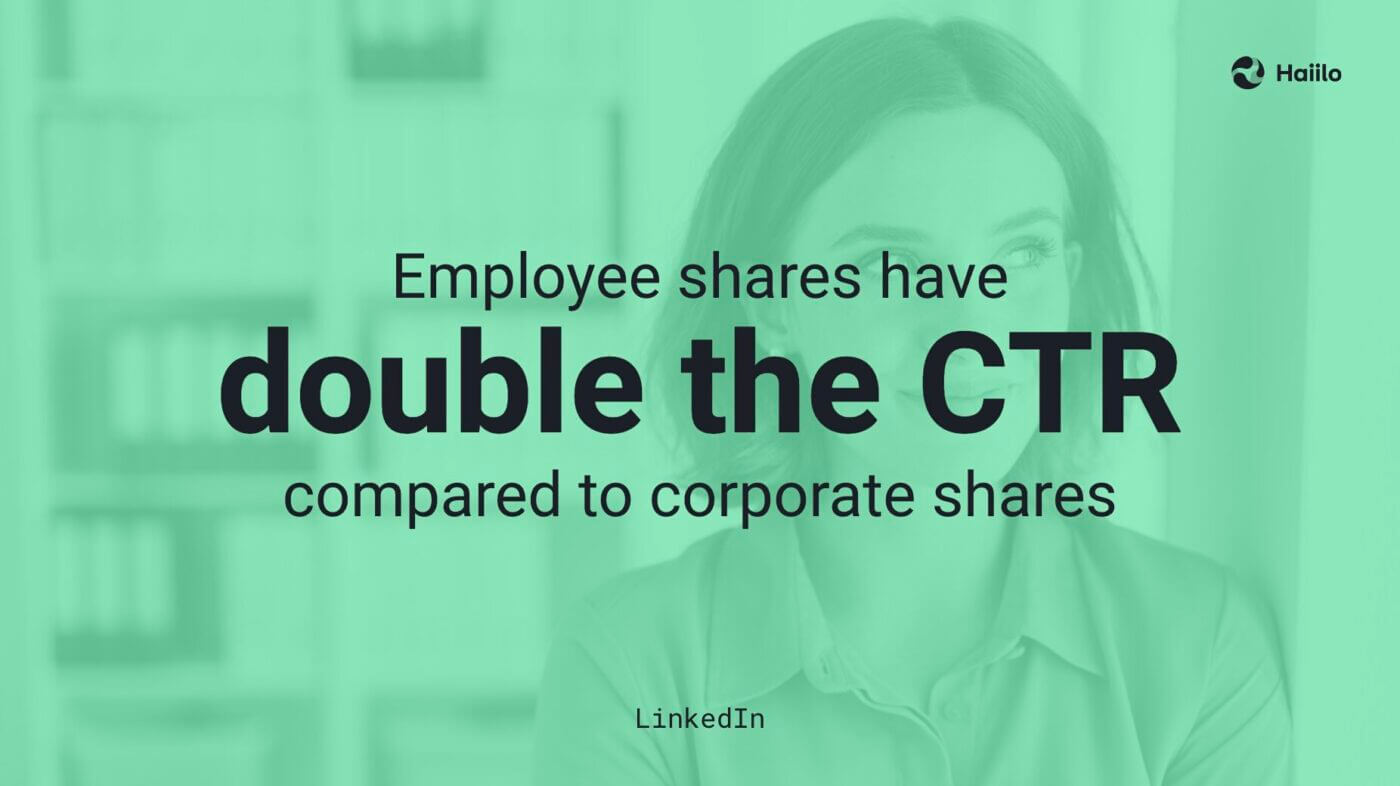
Additional studies have consistently linked employee advocacy with stronger brand outcomes. Industry research cited by Social Media Today has shown that organisations running structured advocacy initiatives often experience higher brand visibility, improved recognition, and stronger loyalty over time. The key factor is consistency: when advocacy is embedded into day‑to‑day work rather than treated as a campaign, results compound.
Sales
Brand advocacy also plays a meaningful role in supporting sales performance by building trust earlier in the buying journey. Research shared by Business 2 Community highlights how employee‑driven social activity can influence both lead quality and conversion rates.
According to widely cited findings:
- Leads generated through employee social activity tend to convert significantly more often than leads from traditional channels.
- A substantial proportion of purchasing decisions are influenced by peer‑to‑peer recommendations and professional networks.
- Studies on word‑of‑mouth marketing consistently show that personal recommendations strongly increase likelihood to purchase.
- LinkedIn data indicates that sales professionals who actively use social media are more likely to outperform peers and achieve quota.
Together, these insights underline how a well‑run brand advocacy program can support sales teams by warming up prospects, shortening sales cycles, and improving credibility long before a formal conversation begins.
Human Resources
Employee advocacy also has a major impact on Human Resources, particularly when it comes to employer branding and talent attraction. Authentic employee stories help shape how candidates perceive your company and whether they see it as a place they want to work.
Advocacy supports your ability to https://blog.haiilo.com/blog/millennials-in-the-workplace-11-ways-to-attract-and-keep-them/>attract high quality job candidates by showcasing real experiences, values, and culture through trusted voices. This matters because most employers now rely heavily on social and professional networks as part of their recruitment strategy.
A strong brand advocacy program helps HR teams increase reach without relying solely on paid job advertising, while reinforcing credibility at a time when candidates expect transparency, proof points, and human perspectives before applying.

As younger generations increasingly use platforms like LinkedIn and Instagram to research potential employers, employee perspectives play a growing role in shaping employer brand perception. Candidates often trust real employee stories more than polished careers pages, which is why many organisations now encourage employees to act as employer brand ambassadors on social media. When done well, this approach helps organisations appear more transparent, relatable, and credible to prospective hires.
📙 Also read: How to build an employer branding strategy employees believe in.
15 Most Powerful Facts About Brand Advocacy
Now that you’ve learned how to build a successful brand advocacy program, it’s worth grounding the discussion in data. The following facts highlight just how influential advocacy and peer‑driven communication can be across marketing, sales, and hiring.
These numbers demonstrate the real impact of brand advocacy on trust, reach, and decision‑making:
- 92% of online consumers trust recommendations from their social circles
- 42% of people distrust messages coming directly from brands
- 92% of global consumers trust user‑generated content and word‑of‑mouth marketing more than advertising
- 49% of marketers believe that 20–40% of their leads come from referrals
- Brand messages are re‑shared far more frequently when distributed by employees rather than brand accounts
- Companies with a strong employee advocacy program are more likely to attract and retain top talent
- People pay significantly more attention to recommendations from friends than brands or influencers
- 82% of consumers seek referrals from peers before making purchasing decisions
- 28% of Millennials say they won’t try a product without peer approval
- Personal recommendations are dramatically more likely to trigger a purchase
- Brands report high ROI from influencer and advocacy marketing efforts
- Many employees say participating in advocacy positively impacts their careers
- Most audiences find posts from personal accounts more persuasive than brand posts
- Job seekers are more likely to apply when they see roles shared by people they know
- Employee‑shared messages reach significantly further than the same content shared by brands
Brand Advocacy Business Cases
As seen above, the benefits of brand advocacy become especially powerful when organisations treat it as a strategic programme rather than an informal effort. In many cases, companies already have passionate advocates — they simply haven’t given them the tools or structure to participate consistently.
Organisations that plan, support, and measure their advocacy initiatives tend to see much stronger outcomes, including higher visibility, greater trust, and improved ROI. Below are two well‑known examples that highlight what’s possible with the right approach.
IBM
IBM’s employee advocacy initiative is frequently referenced as one of the earliest and most influential social selling programs. By encouraging employees to share expert content and engage with their networks, IBM saw a significant uplift in sales performance.
Rather than relying solely on corporate channels, the programme empowered employees to support sales conversations with relevant content and personal insight. Collaboration across teams, combined with clear guidance on content sharing, played a central role in its success.
Cisco
Cisco recognised that its IT professionals were already actively engaging with peers across social platforms. To harness this organically, the company launched the Cisco Champions community, rewarding advocates for sharing expertise, participating in discussions, and contributing content.
Advocates were featured across the channels their peers used, invited to contribute to Cisco’s blogs, take part in community chats, and build their own professional profiles through thought leadership.
As Lindsay Hamilton, Social Media Marketing Manager at Cisco Systems, explained:
“Cisco Champions have created a consistent stream of timely and engaging content on an unprecedented scale. The program reaches a diverse audience and allows Cisco to earn the trust of the IT community with authentic and relevant content.”
Getting Started with Brand Advocacy
If you’re looking to implement a brand advocacy program in your organisation, schedule a demo to see how Haiilo Share can support your goals.
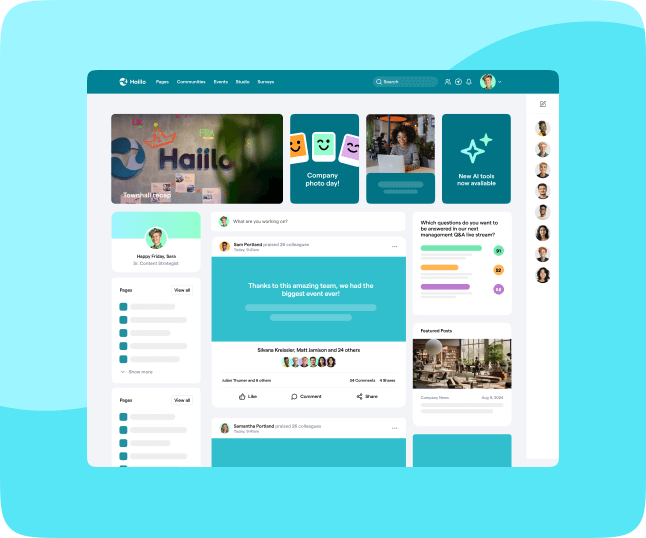
Haiilo Share helps organisations empower employees and other stakeholders to easily share company content externally, extending reach without increasing paid spend. With built‑in analytics and insights, programme owners can measure performance, track engagement, and continuously optimise outcomes. Our mobile‑first, intuitive experience makes advocacy feel simple, rewarding, and part of everyday work — not an extra task.
Brand advocacy FAQ
What is the difference between brand advocacy and employee advocacy?
Brand advocacy is the broader concept. It includes anyone who actively supports and promotes your brand — such as employees, customers, partners, or influencers. Employee advocacy is one specific (and often the most scalable) form of this, focused on enabling employees to share content and speak about your organisation in their own voice. Most companies start with employees because trust is higher, participation is easier to influence internally, and results are easier to measure within a structured brand advocacy program.
Do employees really want to take part in a brand advocacy program?
Many employees are open to advocacy, but uncertainty often gets in the way. People want to know what to share, how often, and whether doing so actually benefits them. When organisations provide clear guidelines, relevant content, and explain the “why” behind advocacy, participation tends to increase. The key is making advocacy voluntary, useful, and aligned with employees’ personal brands — not framing it as another task or obligation.
How do you measure whether a brand advocacy program is working?
Measurement depends on your goals. Common metrics include reach, engagement, website traffic, leads, job applications, and employee participation levels. Looking only at vanity metrics doesn’t tell the full story. The most effective programmes link advocacy activity directly to business outcomes, allowing teams to see which content performs best, which advocates are most active, and how advocacy supports marketing, sales, or employer branding objectives.
What are the biggest mistakes companies make with brand advocacy?
The most common mistake is treating advocacy as a short‑term campaign rather than an ongoing programme. Other issues include unclear goals, lack of leadership support, poor content relevance, and tools that make sharing difficult. Successful organisations focus on consistency, provide ongoing guidance, recognise contributors, and continuously optimise based on data. A strong brand advocacy program is built over time — not launched once and forgotten.
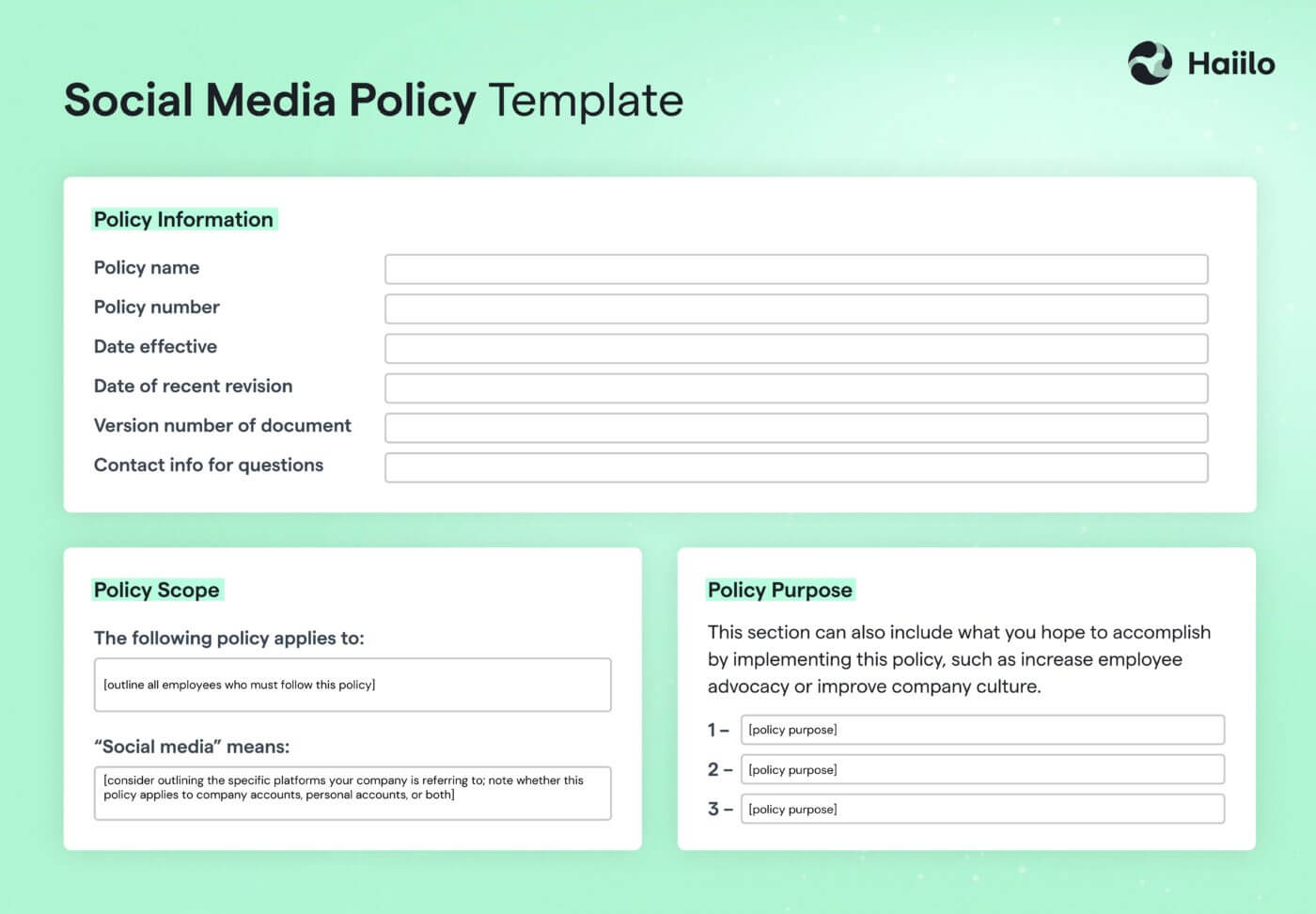
Want to learn more? Check out our social media policy template!