
Positive employee experience is key to successful and productive teams. However, with a whopping 85% of employees not engaged in the workplace, employers need to reconsider their efforts in building thriving workplaces. An employee experience platform can help simplify and centralize this work.
This guide will define the role employee experience plays in achieving business success, explain key reasons of implementing employee experience software, outline must-have features and provide a list of options. Read till the very end as we’ll be covering different employee experience vendors for different purposes.
What is Employee Experience?
Employee experience is employees’ overall perception and feelings about working at a company. It starts with recruitment and onboarding and ends with the exit interview, but it also encompasses everything in between, like learning and development, engagement, and well-being. Each step on this journey leaves an impression in employees’ minds, constituting employee experience.
In practice, employee experience is shaped by everyday moments: How easy is it to find relevant information? Do managers communicate clearly? Are achievements recognized? Can employees connect with colleagues outside their immediate team? These touchpoints may seem small in isolation, but collectively they determine whether work feels frustrating and fragmented or meaningful and empowering.
Therefore, employee experience management refers to the work done around one or more of these steps. It will normally include things like defining perks and benefits, setting up a recognition program, improving internal communications within organizations, and more. It also involves designing systems and processes that remove friction — for example, clarifying ownership of internal updates or creating transparent feedback loops between leadership and staff.
Employee experience software aims to help HR, IT, and C-level improve employees’ day-to-day work by streamlining information flow, connecting employees across different departments and organizations, gamifying active participation in internal campaigns, etc. For organizations exploring how to build a company intranet, this is where employee experience becomes tangible: the intranet often acts as the digital backbone that brings communication, recognition, knowledge sharing, and culture into one consistent environment.
Keep your employees satisfied and engaged with the right employee experience platform
How to Improve Employee Experience
Improving employee experience is a complex endeavor that requires a multifaceted approach. The best way to tackle it is to identify your key employee personas and work benefits that are relevant to them. A frontline worker has very different needs than a knowledge worker or a regional manager. While one group may value mobile access and shift updates, another may prioritize collaboration tools, learning resources, or leadership visibility. Mapping these personas helps you design targeted initiatives instead of rolling out generic programs that miss the mark.
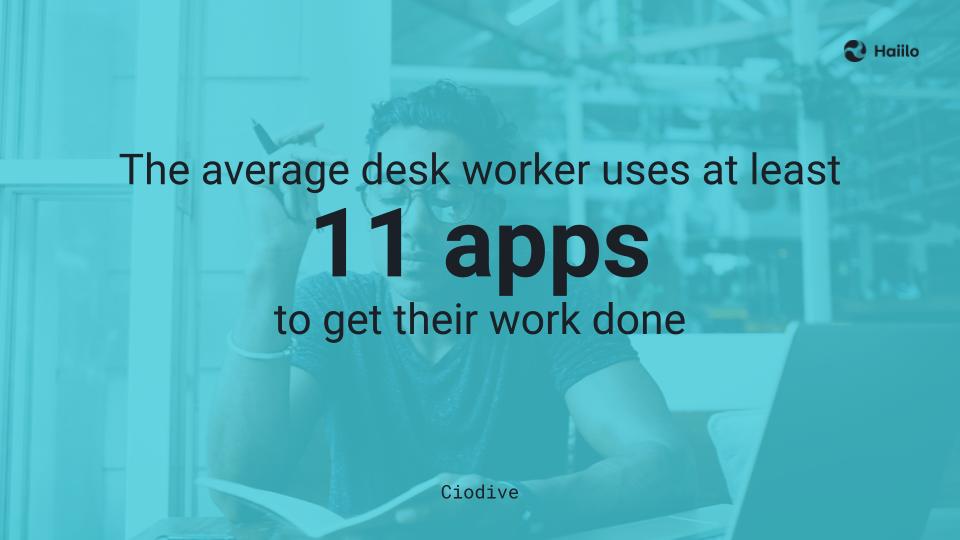
Another key element is simplifying the digital employee experience. The average desk worker uses at least 11 applications to get their work done. Constantly switching between tools slows people down, increases cognitive load, and makes important information harder to find. To ensure your employees don’t struggle with digital fatigue and fragmented attention, it’s essential to provide your workforce with an easy-to-use streamlined employee experience platform that integrates key systems and centralizes communication.
This is also where many organizations start asking how to build a company intranet that doesn’t just store documents but actively supports engagement, alignment, and productivity. A well-structured intranet can reduce tool overload, create a single source of truth, and make company culture visible in everyday interactions.
Let’s now take a look at what makes a good employee experience platform and some examples.
What is an Employee Experience Platform?
An employee experience platform is a solution that helps improve digital employee experience in the workplace. These solutions are designed to assess and improve various employee touchpoints throughout their career journeys. From onboarding portals and internal communication hubs to feedback tools and recognition systems, they aim to connect fragmented interactions into one coherent experience.
Employee experience is the most popular topic among HR professionals today. Voluntary employee turnover rates are higher than ever before due to economic instability and new expectations about work. Employees now expect transparency, flexibility, seamless technology, and a sense of belonging — not just a paycheck. When these expectations are not met, disengagement and attrition quickly follow.
HR professionals are mostly looking into new HR tech solutions to improve user experience and replace old, outdated workplace technology. However, many are still not achieving this primary goal. Too often, companies layer new tools on top of legacy systems without rethinking structure, usability, or governance. The result is more complexity, not less.
Hybrid and remote work aren’t temporary trends — recent research reveals that 63% of leaders and 53% of employees now split their time between home and office, underscoring the importance of unified digital experiences.
Employee apps can facilitate essential company functions like internal communications, HR, time tracking, and engagement. A company mobile app can either have multiple functions or be solely focused on one task. For example, the Haiilo app empowers companies to drive employee experience and engagement, whereas MS Teams is predominantly an employee communication app.
The key difference lies in purpose and structure. Single-purpose apps solve a specific problem — messaging, scheduling, or document collaboration. Multi-functional employee apps, on the other hand, aim to create a central digital workplace where employees can access news, find documents, recognize peers, complete HR tasks, and stay aligned with company goals. Especially for frontline or deskless workers, mobile accessibility is often the primary gateway to company information.
For organizations evaluating how to build a company intranet, mobile capability is no longer optional. An intranet that only works on desktop excludes a large part of the workforce and weakens adoption from day one. The most effective employee apps complement or extend the intranet experience, ensuring that communication, culture, and key resources are accessible anytime and anywhere.
8 Reasons to Implement an Employee Experience Platform
With remote and hybrid work models becoming the norm for many organizations, employers are now looking into ways to improve digital employee experience and better support employees with the right technology. When teams are distributed across locations, time zones, and functions, informal alignment disappears. Communication becomes more intentional — or more fragmented.
Furthermore, many companies are also investing in new solutions to help their frontline workers improve communication and collaboration with their peers and managers. Unlike desk-based employees, frontline workers often lack access to centralized systems, which leads to information gaps, inconsistent messaging, and lower engagement. A modern employee experience platform helps close that gap by creating one accessible, reliable source of truth.
For organizations evaluating how to build a company intranet, the question is no longer whether a centralized platform is needed — but how comprehensive it should be. Today’s intranet must go beyond document storage. It needs to connect communication, culture, knowledge, and feedback in one integrated environment.
Let’s take a deep dive into some of the reasons why employee experience platforms should be a part of every organization’s tech stack.
💡 Related: 14 Hacks to Stop Employees From Leaving
1. Increase employee engagement
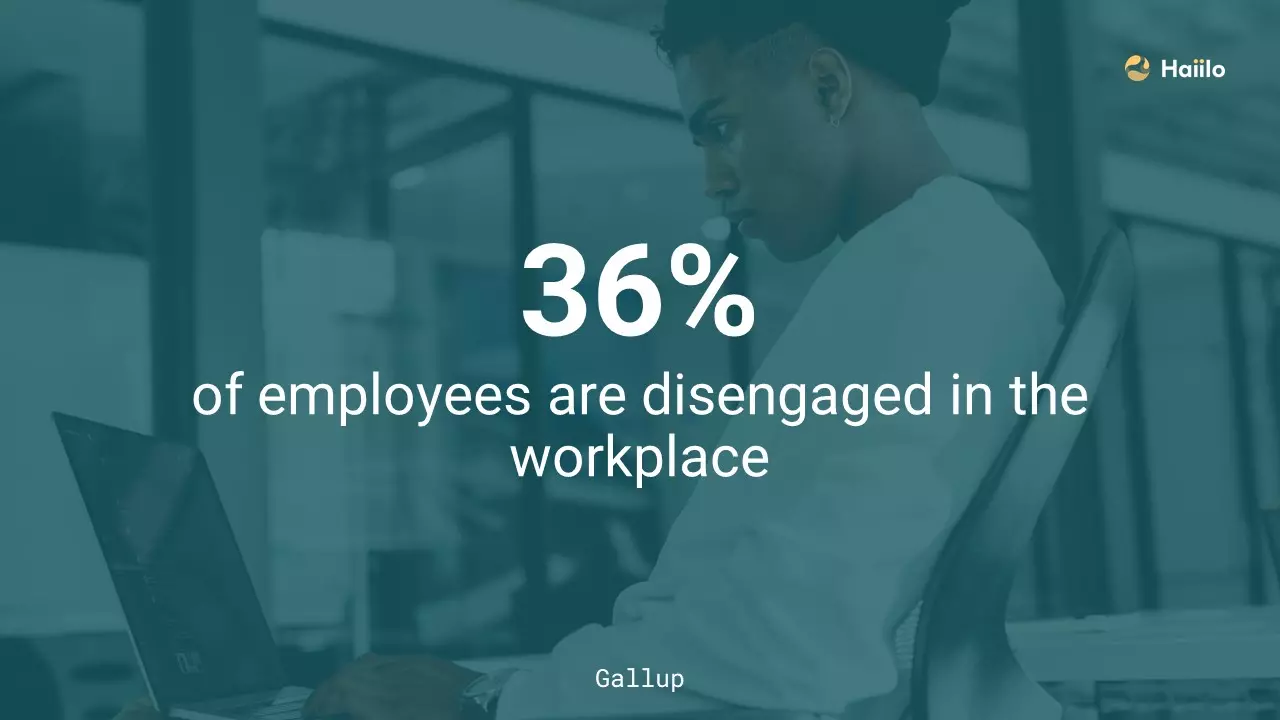
According to the latest Gallup report, 36% of employees are disengaged in the workplace, while 13% are actively disengaged (actively disengaged workers are “those who have miserable work experiences and spread their unhappiness to their colleagues”).
Disengagement rarely happens overnight. It builds when employees feel uninformed, unheard, or disconnected from company goals. An employee experience platform addresses this by increasing transparency, enabling two-way communication, and making recognition visible across the organization. Features such as targeted news feeds, leadership updates, pulse surveys, and peer recognition tools create ongoing touchpoints that strengthen belonging and alignment. Instead of communication flowing top-down only, engagement becomes a continuous dialogue.
Poor internal communications are often the main reasons for such low engagement rates.
Today, when distributed workplaces are on the rise, many employees feel isolated as there is a lack of in-person communications. As a consequence, employee morale drops and workers become disengaged.
Modern employee experience platforms are designed to make people more engaged in the workplace. They enable companies to drive organizational alignment and make people more connected.
2. Improve organizational alignment
The internal communications agency H&H found that only 40% of IC professionals believe that employees understand “well” or “very well” the contribution they’re making to the business, and 72% of employees don’t have a full understanding of their company’s strategy.
When employees don’t understand their contributions to the business and when they don’t know what their company stands for, there is a lack of motivation and work satisfaction.
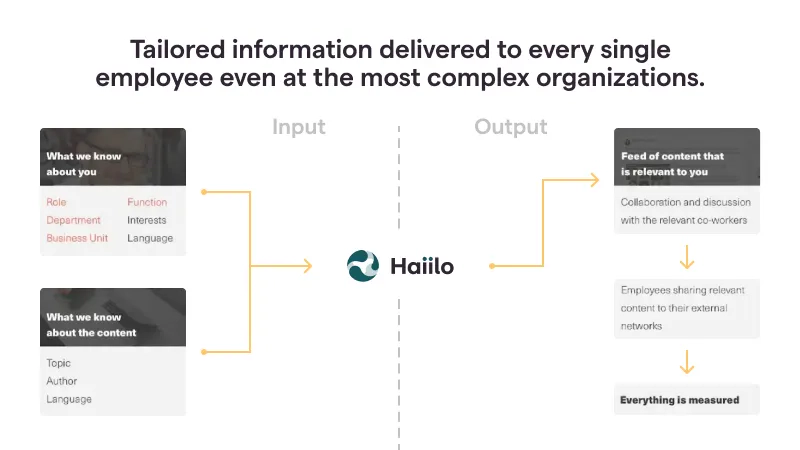
EX platforms and other employee apps help organizations improve the flow of information in the workplace and make sure that the right message reaches the right employees at the right time. The best solutions offer robust audience segmentation features so that employers can deliver content that is relevant to their employees. Consequently, this allows employees get more engaged with internal content, which helps them become more aligned with the company’s mission, vision, strategy, and core company values.
💡 Also check out our article on how to create a perfect employee experience strategy for your organization.
3. Improve cross-functional and team collaboration
Cross-functional and team collaboration in the workplace is more important than ever. Hybrid and remote work make it harder for employees to stay connected and collaborate effectively.
🗺️ Below is a great representation of the most common team collaboration challenges organizations are facing around the world.
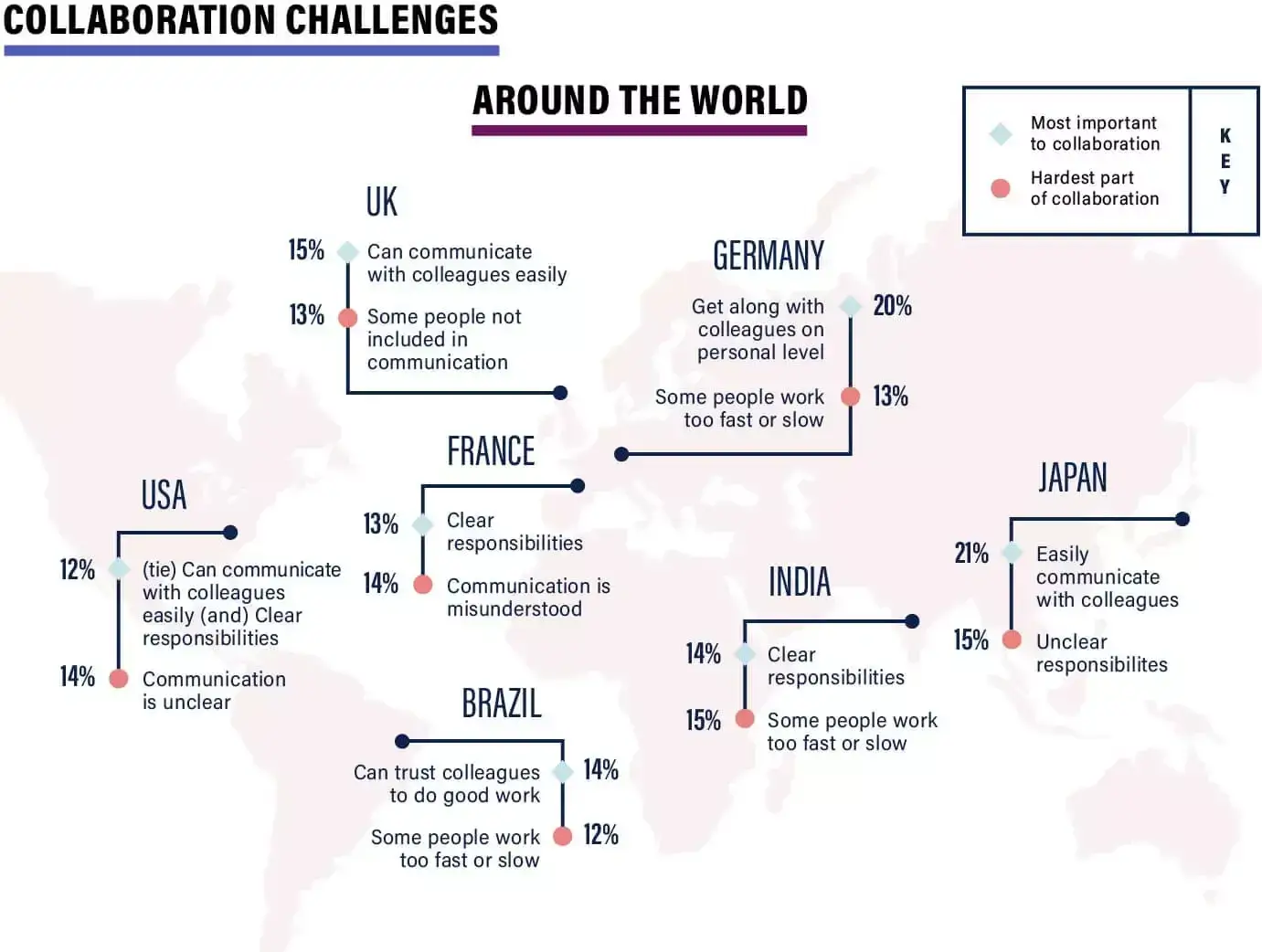
Employee experience platforms with robust segmentation features enable organizations to create private or public channels which teams and departments can use to easily connect with anyone in the company and collaborate more efficiently.
Because of the lack of proper workplace technology, many employees today rely on their personal smartphones to reach their peers and collaborate efficiently.
According to research, 53% of frontline workers use messaging apps such as WhatsApp up to six times a day for workplace communication. At the same time, 16% of workers said their HR departments are unaware of this.
Because such apps are not built with data privacy in mind, many companies are now looking for ISO and GDPR certified employee experience apps with chat functionalities, ensuring that confidential information is always protected.
4. Recognize and motivate frontline employees
Over 83% of frontline workers don’t even have a corporate email address, and 45% don’t have access to their company intranet when at work. During the pandemic, these employees have been exposed to health-related risks more than deskbound workers.
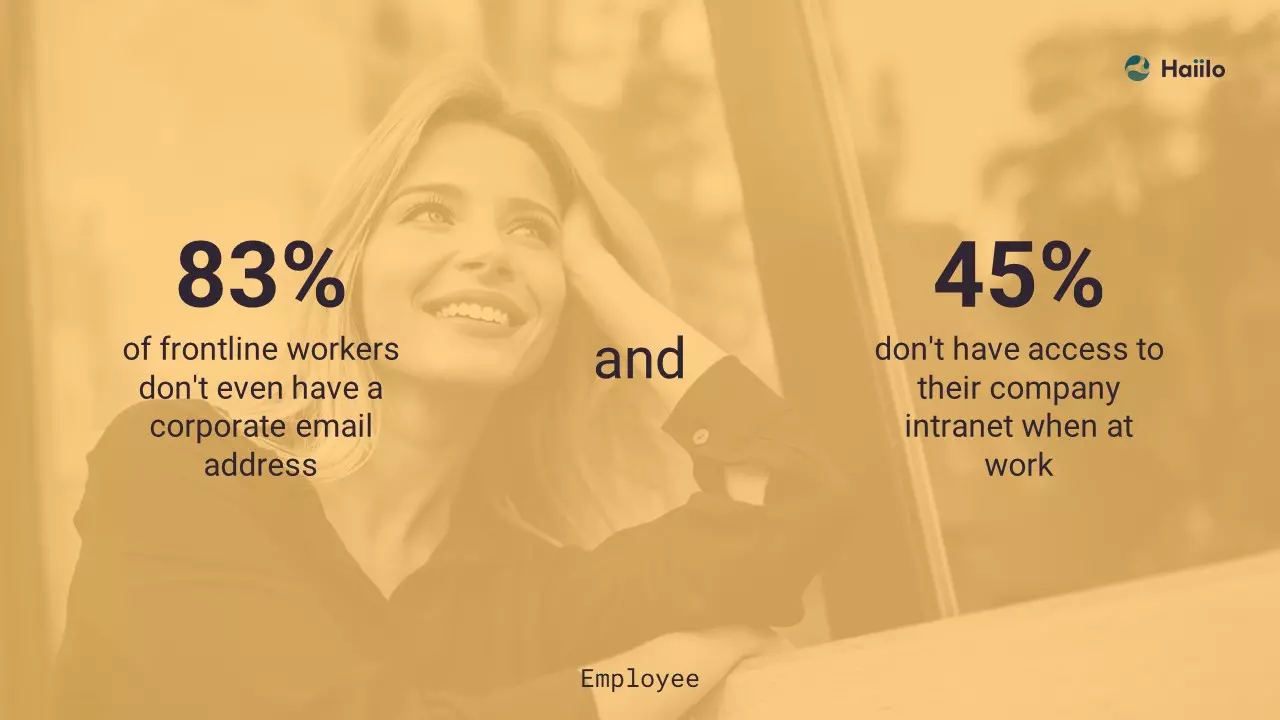
Workplace accidents and illnesses happen because organizations don’t have proper communication ecosystems designed to reach their frontline workers in a timely manner. Mobile-first employee experience platforms like Haiilo enable frontline workers to access important company updates in seconds even if they don’t have a corporate email.
Push notifications enable employers and managers to target the right audience and get frontline workers’ attention on important announcements, making sure that they never miss important information.
5. Drive employees’ share of voice
Employees want to be heard. Yet, one-way communications are still present in some organizations. Employers send mass newsletters to the entire workplace, and employees don’t have a way to provide their feedback, ask questions, and raise concerns.
According to research, only a quarter of employees feel like they can freely express themselves at work. They report that they often choose not to speak up at work, even though they have something they would like to say.
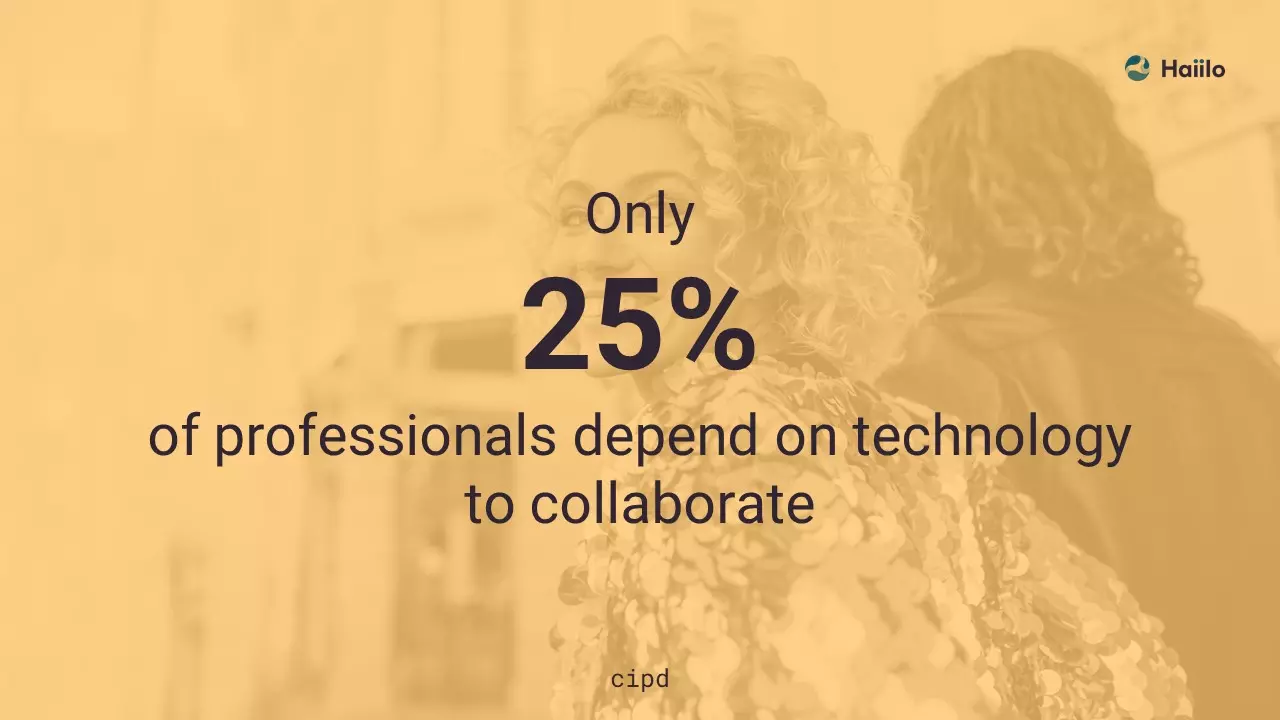
Employee experience platforms like Haiilo are designed to drive open and honest workplace communications where every employee can speak up. These tools not only support two-way communications but also offer employee surveys for organizations to quickly and efficiently collect feedback from their employees.
6. Eliminate information overload
Information overload is one of the most common productivity killers in the workplace. It costs the US economy a minimum of $900 billion per year in lowered employee productivity and reduced innovation, according to recent research by Basex.
These stats are even more shocking and alarming:
- 25% of workers experienced significant stress and poor health due to the volume of information they’re required to process.
- 36% of managers reported poor health due to the excessive information they were required to process in the workplace.
- 68% of those managers felt that information overload has had a negative impact on their personal and professional relationships.
Advanced employee experience platforms with robust filters and segmentation features make it easier to distribute more personalized content based on employees’ nature of work, geo-location, language, job title, department, interests, and many more.
Employees get personalized news feeds with relevant information in their channel of choice, eliminating information overload and making employees more productive.
7. Improve digital employee experience by integrating various tools
Take, for example, marketing, sales, and development teams within your organization. All of them use a variety of internal communication as well as other tools on a daily basis to get work done.
Some use Slack, some Microsoft Teams, some may use Yammer or Workplace from Facebook.
While it makes sense for each department to use the best-of-breed technology for their core functions, it also makes it harder for HR and communications departments to reach employees.
These complex communications ecosystems in the workplace also create frustrations among employees as finding relevant information becomes mission impossible.
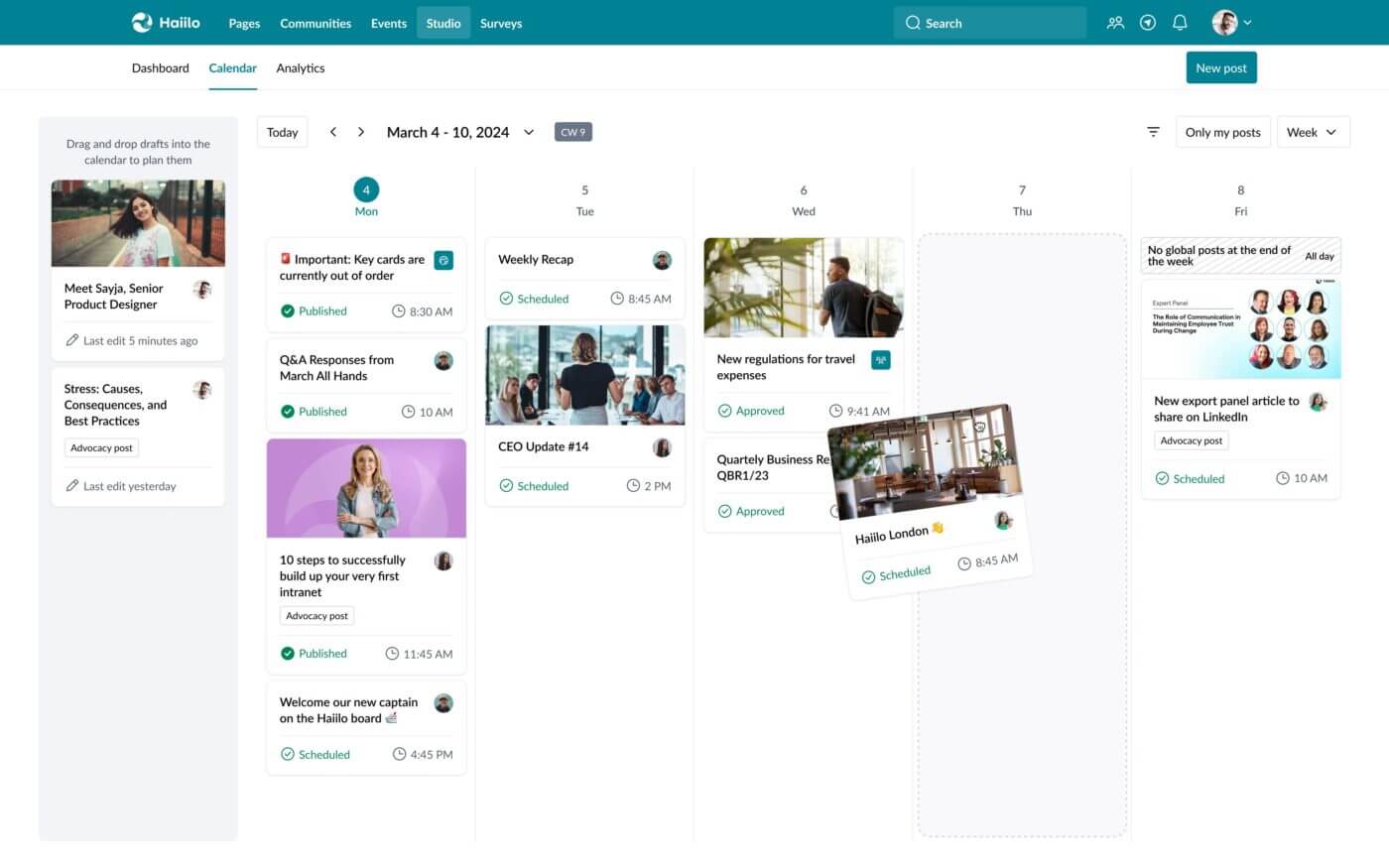
Haiilo’s Content Booster helps employers reach employees through whichever channel they prefer, ensuring that important information never gets lost. It provides a central place for employees from various departments to always stay up-to-date with everything that is going on in the organization.
8. Improve people analytics
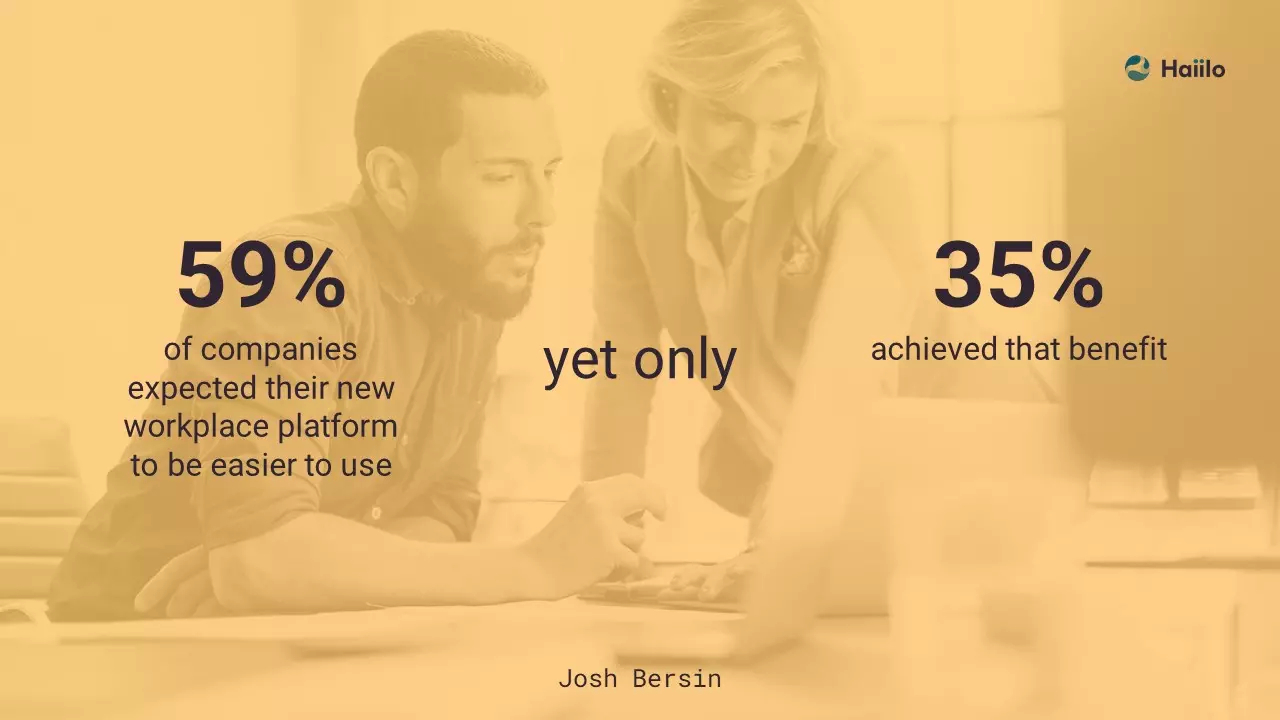
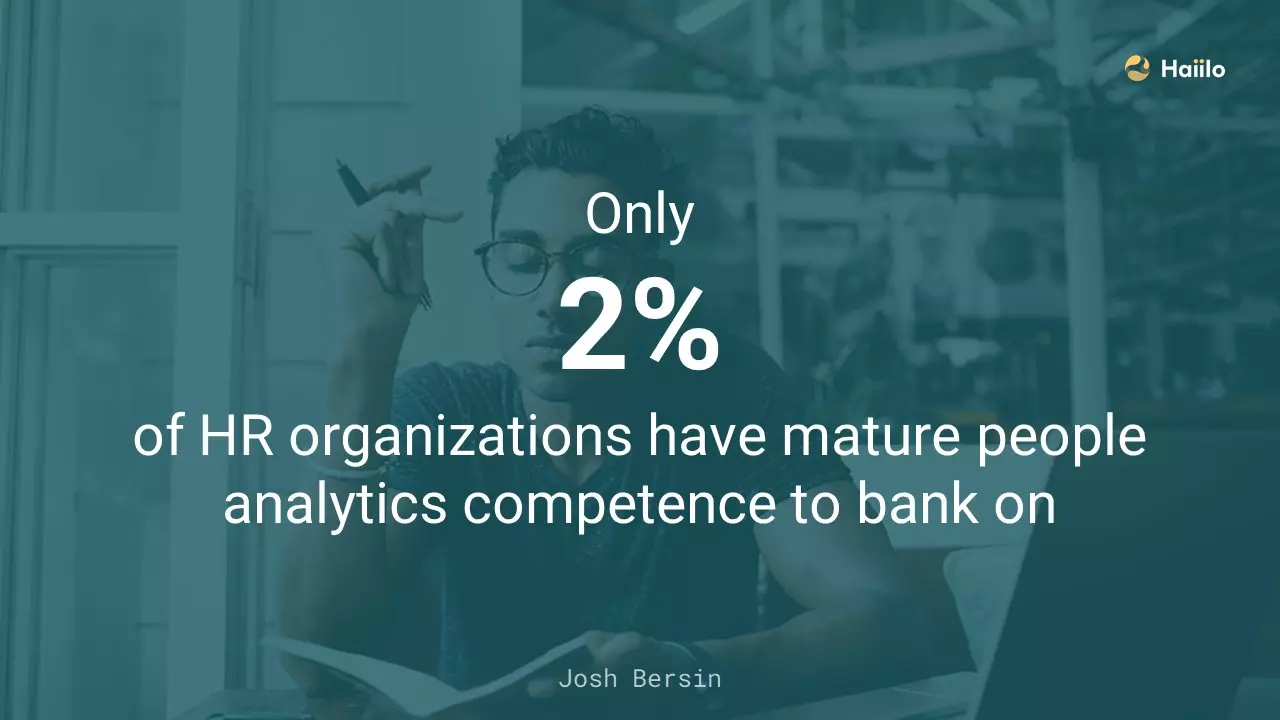
Bersin’s research points out that only 2% of HR organizations have mature people analytics competence to bank on. There is thus quite a heavy first-mover advantage for innovative, intelligent organizations that are trying to tap into this space.
One of the most in-demand features in employee experience platforms is detailed people analytics. Organizations are becoming more and more data-driven, and they want to better measure their employees’ experience in the workplace.
Sophisticated EX platforms make better sense of seemingly unrelated data streams and find meaning, correlation, and interdependence between one or more factors to predict and manage work better.
Using employee surveys, organizations can quickly collect and analyze data gathered directly from their employees, while engagement analytics provide a real-time overview of employees’ engagement with important internal campaigns.
Haiilo’s A.I.-powered analytics also provide actionable recommendations on how to improve current workplace communications as well as what types of content to produce to keep employees engaged.
💡 Check out our 13 tips for improving employee experience!
7 Best Employee Experience Software Platforms
Best employee experience platforms can transform the entire company culture, allowing for high levels of productivity and satisfaction among employees. As a fast-growing HR tech category, employee experience software providers offer different functionalities based on companies’ size and needs. Below are some of the highest rated solutions in the category
Haiilo
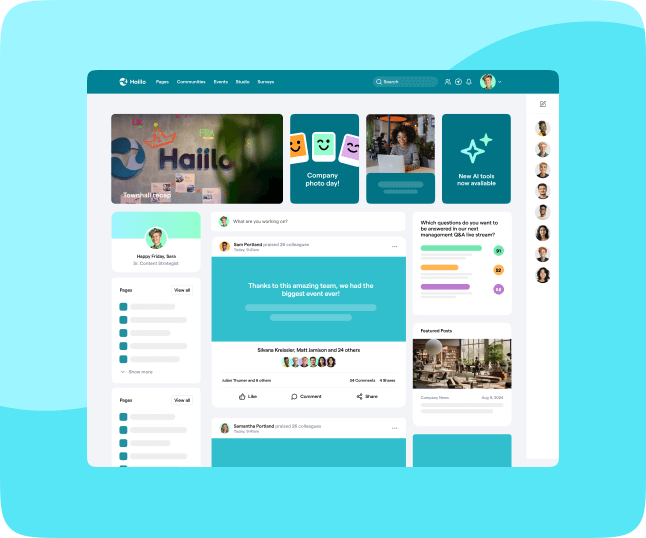
Haiilo is the best employee experience platform that combines employee listening, communications, and intranet software to enable leaders to drive positive employee experience for the entire workforce.
HR professionals can use the platform to build employee communities, enhance information flow within the company, ensure productivity with timely updates, and keep track of employee sentiment with the smart employee listening tool.
The platform combines the well-known intranet features with targeted multi-channel communication options and adds quantitative and qualitative analytics to the mix to allow platform admins to assess the performance of their work. With Haiilo, leaders can ensure their employees are informed, engaged and satisfied at all times.
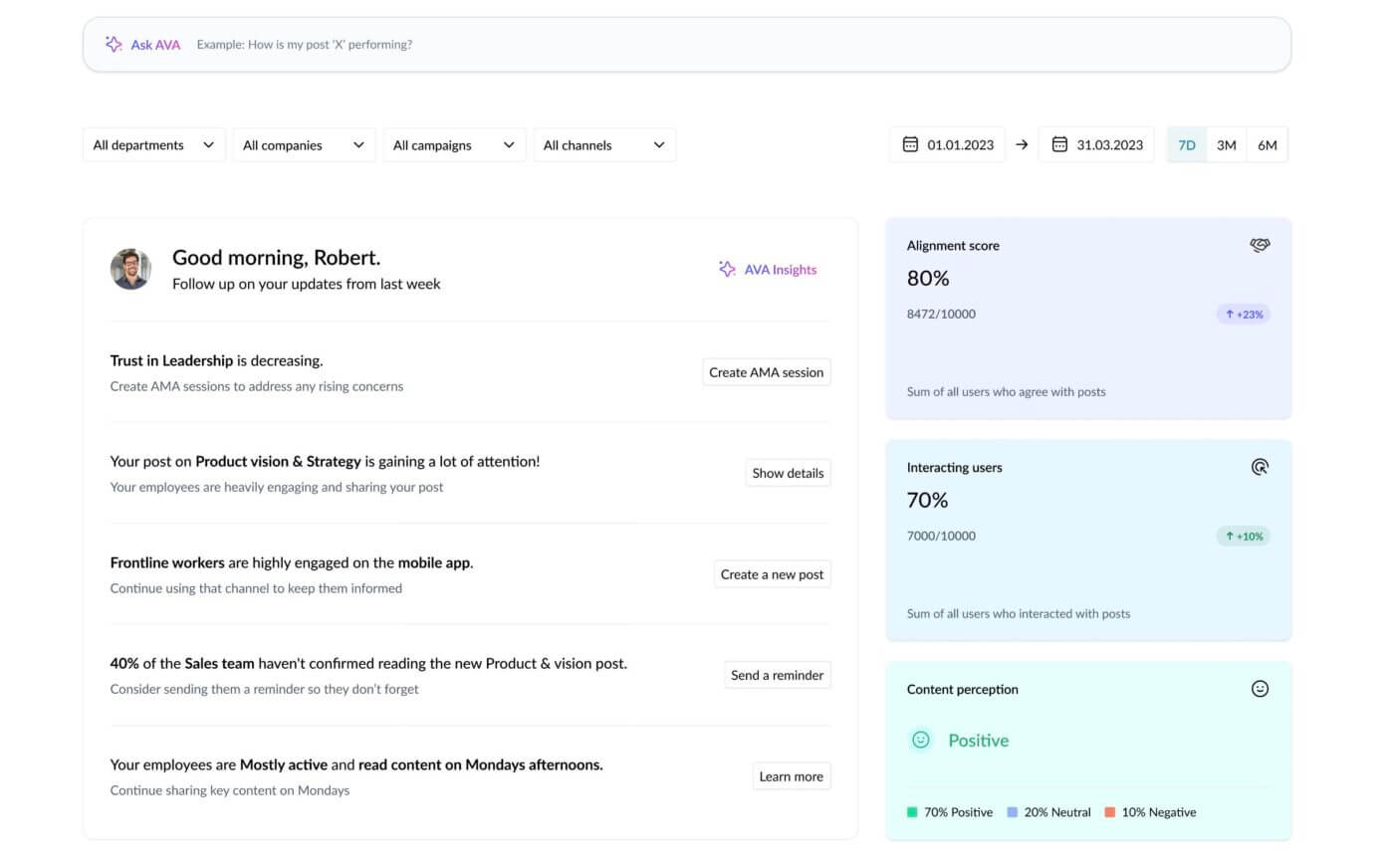
Disclaimer: the image shows a prototype version of the product.
CultureAmp
Culture Amp is the best employee experience software for a more data-driven approach. It allows you to get insights into the drivers of employee engagement, performance management and personal development of employees.
The platform is popular for its science-backed and customizable survey templates as well as for smart insights that allow you to predict turnover rates based on survey responses.
CultureAMps integrates with the most common workplace tools to guarantee a seamless experience.
Viva Engage
Viva Engage (formerly Yammer) is rightfully called by its customers as a corporate social media platform.
This employee experience software solution puts an emphasis on fostering connections through communities and conversations. With communities being the key element of the platform, most of the experience revolves around them. The list of key features includes social reactions, chat, live events.
Microsoft Viva also offers insights that help gain visibility into communication and collaboration patterns to streamline decision-making and improve business performance.
Qualtrics XM
Qualtrics is software that draws insights from employee feedback to improve different business areas. Unlike other employee experience platforms, Qualtrics XM is not only focused on retention and engagement rates but also takes it a notch further by tying survey responses with customer experience and other relevant business metrics.
Vantage Circle
Vantage Circle is the best employee experience platform that focuses on the experience through the entire employee journey. Their suite of products includes solutions for tracking employee wellness, checking the company perks, giving employee recognition and more in addition to gathering and analyzing employee feedback.
Vantage Circle integrates with most workplace tools, such as Teams, Slack, Workday, Oracle, SAP, etc. The recognition and wellness solutions’ gamification aspect helps HR leaders ensure their employees’ well-being and establish a positive company culture.
Bonusly
Bonusly uses the natural human desire for recognition in its solution. Bonusly views recognition and feelings of achievement as the backbone of a productive and thriving workplace, so it focuses on gamifying recognition in its employee experience software platform.
Employees get personalized targets, for which they can accumulate points. These points can be later used to win a reward. This option will be suitable for companies that want to promote high-performing culture through a fun interactive way.
Lattice
Lattice is the best employee experience software that allows you to launch employee surveys, celebrate employee wins, and get real-time experience data with the help of the platform’s pulse feature and sentiment analysis. This employee experience software also supports employee development opportunities as it connects individual work to business outcomes so employees can view their progress easily
Employee Experience Platform: Must-Have Features
Choosing the right internal communication tools, employee experience platforms, and employee engagement apps for your organization is not easy. There are plenty of new features and functionalities coming out every day. However, there are certain capabilities you should always keep in mind:
- Robust segmentation that enables targeted communications based on employees’ job functions, locations, spoken languages, and their interests
- Community-building with different options for mandatory groups run by departmental heads and regional offices and pages of interest
- Chat and document sharing functionalities to boost collaboration
- Mobile-first interface to ensure the best digital employee experience and to better support frontline workers
- Active directory integration and access without email address to make the app accessible for deskless workers
- Employee listening options to help managers and HR professionals gather continuous employee feedback at each touchpoint of the employee journey
- Instant and personalized push notifications to alert employees about emergencies and data that provides insights about message readership
- Seamless integrations with other internal systems to ensure employees can access all the important information through their app
- Quantitative and qualitative analytics and actionable recommendations about how to improve workplace communications efforts
The Haiilo employee experience solution ticks all the boxes above!
Schedule a 15-minute intro call with our team to discuss your business goals, technology requirements and Haiilo pricing for your unique case!
Frequently Asked Questions
1. How to build a company intranet that employees actually use?
If you’re thinking about how to build a company intranet, start with your employees — not with features. Identify key personas (desk workers, frontline staff, managers) and define their daily pain points. Then design the structure around real use cases: accessing company news, finding documents quickly, connecting with peers, or recognizing achievements. Keep navigation simple, integrate existing tools, and ensure mobile access. Most importantly, assign clear ownership. An intranet without governance quickly becomes outdated and ignored.
2. What features are essential in a modern intranet?
A modern intranet should go beyond document storage. Core features include personalized news feeds, powerful search, mobile accessibility, employee directories, recognition tools, and integrations with systems like Microsoft 365 or HR software. Analytics are equally important to measure adoption and engagement. If you’re evaluating how to build a company intranet, focus on creating a single source of truth that reduces tool overload rather than adding another disconnected platform.
3. How long does it take to implement an employee experience platform?
Implementation timelines vary depending on company size, integrations, and internal resources. A focused rollout can take a few weeks, while larger enterprise projects may take several months. A phased approach often works best: launch with core communication features first, then expand into recognition, campaigns, and advanced integrations. Early wins help drive adoption.
4. How do you measure the success of a company intranet?
Success goes beyond login rates. Track engagement metrics such as content interactions, comments, shares, survey participation, and recognition activity. Also measure business impact: improved information flow, faster onboarding, reduced email volume, or higher engagement scores. A well-built intranet should make daily work easier — and that should be visible in both data and employee feedback.
See the benefits of using Haiilo today