
Social selling has become a must-have strategy for most SDRs, marketing, and other sales professionals. It answers a simple question many teams still ask: what is social selling, and why does it matter? At its core, it’s about using social media to build real relationships, not just push messages. Today, leveraging social platforms to build connections, generate new leads, and position yourself as a trusted voice in your industry is no longer optional, it is expected.
But why is social selling so important? Buyers now research, compare, and form opinions long before speaking to sales. If you are not part of that journey, you are easy to overlook. So how do you show up in a way that builds trust instead of noise? How do you do it right? What are some proven best practices? And how do you make sure that you get the best out of your social selling campaigns?
Keep reading because this blog will answer these questions and give you practical ways to improve your approach. You will learn how to build credibility, engage the right audience, and turn conversations into opportunities. It also explains why social selling remains one of the most important social media trends to follow today, especially for teams looking to cut through crowded channels and connect in a more human way.
Looking for a powerful social selling and employee advocacy solution for your organization? Schedule a Haiilo demo and learn how it can help your company!
What is Social Selling?
There’s no single definition of social selling because every professional uses social media differently. Still, if you are asking yourself what is social selling, the simplest answer is this: it is a lead generation and relationship building approach where sales professionals use social channels to interact with their leads and prospects directly on social media. Instead of cold outreach, the focus is on starting conversations, sharing relevant insights, and building trust over time. Today, social selling is a core part of every successful social media marketing strategy.
There are many different ways to approach social selling and social marketing. Some tactics are more direct and outreach driven, while others focus on strengthening one’s personal brand to build credibility and long term trust within a community. The most effective approach usually combines both, balancing visibility with genuine engagement.
Some strategies are designed for long term relationship building, helping you stay top of mind until prospects are ready to buy. Others focus on short term goals and quick conversions. In practice, strong social selling connects both by nurturing interest first and guiding prospects toward action when the timing is right.
In any case, social media platforms offer a powerful way to connect with the right people at the right time, build meaningful relationships, and ultimately turn conversations into customers and revenue.
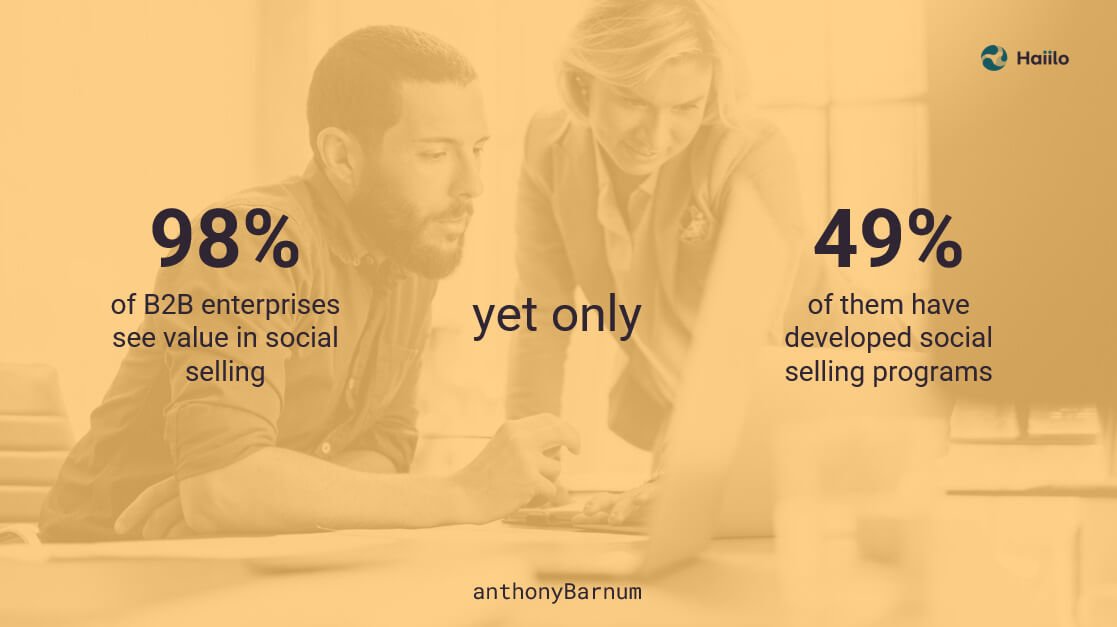
Many organizations recognize this shift, yet adoption still lags behind. While most B2B teams see clear value in social selling, far fewer have built structured programs or consistent processes to support it, leaving a significant opportunity for those who get it right.
Top 4 Reasons Why Social Selling Rocks
In the past few years, social media engagement has been skyrocketing. At the same time, the way sales teams connect with prospects has changed. Remote work, fewer in person events, and busier buyers mean traditional outreach alone is no longer enough. Sales professionals have had to adapt and find ways to curate content on online platforms and stay visible where their audience already spends time.
This shift explains why we have seen an increase in social selling and LinkedIn marketing in the past few years. More teams now recognize that showing up consistently and adding value beats interrupting prospects with cold messages.
But why is social selling so powerful?
1. Generate more sales
The main reason companies invest in social selling is simple: it helps generate leads and drive more sales. By building relationships early and staying visible throughout the buying journey, you increase your chances of being the first person prospects think of when they are ready to act.
There is strong evidence behind this approach. According to LinkedIn Sales Solutions:
- Businesses leading in social selling create 45% more sales opportunities than those with a low social selling index.
- Teams that prioritize social selling are more likely to reach their sales quotas.
- Organizations using social selling often outperform those that rely only on traditional sales methods.
2. Build trust in the community
Social selling plays a key role in building brand trust and increasing your share of voice. In B2B environments, where sales cycles can stretch over months, trust is what keeps you relevant during long decision processes. The most effective sales professionals do not just reach out when they need something. They show up consistently, share useful insights, and engage with their audience over time.
Buyers notice this. Many decision makers prefer to engage with professionals who demonstrate expertise and credibility through their content and interactions. Social selling gives you a practical way to build that reputation at scale, turning visibility into familiarity and familiarity into trust.

💡 Related: Learn about how to implement a killer social media strategy!
3. Be where your customers (and competitors) already are
Everyone is on social media, so companies and their employees need to be there as well.
According to Statista, 25% of Americans ages 18 to 34 made a purchase via social media. India, the UK, Australia, and New Zealand all saw approximately a third of people ages 18 to 34 make a purchase via social media in that same timeframe.
The potential for brands to make social sales is just huge. 4.2 billion people worldwide are active on social media, and social media platforms gained 490 million users in 2020 alone (increase of 13.2%).
Hence, organizations need to leverage social selling to stay competitive in the market. Other brands interact with their potential customers on social media as well, so not being there can be a big disadvantage for organizations.
💡 Also, learn about best practices for social media in the workplace!
4. Gain more visibility from the best talent out there
Currently, we are in the era of great resignation. People change jobs more than ever before, and employers struggle to attract and keep the best talent out there.
Besides boosting your company’s brand awareness, social selling can also be a great employer branding tactic. When leaders, sales professionals, and other employees engage in content sharing on social media, they are also getting in front of the eyes of potential job candidates.
Since candidates trust employees more than they trust brands, social selling is considered a powerful social recruting method!
6 Social Selling Best Practices
Every professional has a different approach when it comes to social selling. There are, however, certain best practices that apply to all. These best practices are best explained in what’s called a Social Selling Index introduced by LinkedIn.
The social selling index (SSI) is a metric used to measure the impact of a brand’s social selling efforts.This concept looks at whether you are:
- Establishing a professional brand with a well-managed LinkedIn profile.
- Finding the right people on the platform.
- Sharing relevant, conversation-inspiring content.
- Building and strengthening relationships.

But let’s take a closer look into what you can do to improve your social selling efforts.
1. Improve your social profiles to establish a strong brand
First impressions matter. When someone checks your profile, they decide within seconds if you are worth engaging with. That is why it is important that your employees develop strong social selling skills and present themselves clearly and consistently.
Since social selling is especially relevant in B2B, LinkedIn is often the most important platform. It is where decision makers research vendors, validate expertise, and discover new voices.
LinkedIn offers several ways to position yourself as a credible voice in your field. To get started, make sure your profile includes:
- A clear, professional profile picture that builds trust at a glance.
- A summary that explains how you help customers and what problems you solve.
- Relevant experience that shows your expertise and credibility.
If you are in sales, your profile should focus on your audience, not your CV. Make it easy for prospects to understand how you can support them and why they should trust you.
💡 Extra tip: Add links to your company’s products or services and use trackable URLs. This helps you understand what content drives interest and where conversations start.
2. Build the right connections
Strong social selling starts with the right audience. That is why understanding your ideal customer profile and buyer personas is essential. It helps you focus your time on people who are more likely to engage and convert.
If you are using LinkedIn for social selling, you can use filters like job title, seniority, industry, company size, and location to find relevant prospects. This gives you a focused and efficient way to build a high quality network instead of a large but irrelevant one.
While automation tools may seem efficient, they often lead to generic outreach that gets ignored. A more thoughtful, personalized approach helps you stand out and build stronger relationships over time.
💡 Related: Social selling is not all about sales!
3. Regularly share content relevant to your audience
Once you understand your audience, the next step is to show up with content that matters to them. This is a key part of what is social selling in practice: staying visible by sharing insights that help your network, not just promote your offering.
Consistency matters more than volume. Sharing useful perspectives, industry updates, or practical tips on a regular basis keeps you top of mind and signals expertise.
Many companies support their teams by providing ready to share content. This saves time and ensures messaging stays aligned, while still allowing employees to add their own voice. As a result, sales teams can stay active without having to create everything from scratch.
This approach benefits both sides. Employees gain visibility and credibility, while the company increases reach and drives more traffic to its website.
LinkedIn in particular plays a key role in B2B distribution, often driving a significant share of social traffic to company websites, which makes it a critical channel for consistent content sharing.

💡 Extra tip: Use LinkedIn articles to publish your own original content directly on the platform. This can help you reach a wider audience, as native content is often prioritized in feeds and keeps readers engaged without leaving LinkedIn.
4. Pay attention to existing customers
For many businesses, social selling focuses heavily on building new relationships. However, existing customers are just as important. Even if account management is not part of your role, staying connected with current customers adds real value.
Why does this matter? Because retaining customers is often more cost effective than acquiring new ones, and satisfied customers are more likely to buy again or recommend your brand. Social media gives you an easy way to stay present, engage with their content, and spot new opportunities.
💡 Extra tip: Create a simple process for sharing insights from social interactions with customer success or support teams. This helps you act on feedback faster and strengthens the overall customer experience.
5. Get familiar with various platforms
Many sales professionals focus on one platform but miss opportunities by not exploring others. Each platform works differently, and understanding these differences helps you reach the right audience more effectively.
If your organization already runs social marketing activities, collaborate with your marketing team. They can guide you on how to use platform features, formats, and algorithms to your advantage.
For example, while LinkedIn helps you target by role or company, platforms like Instagram rely more on hashtags and content discovery. Learning how these systems work allows you to find the right audience and engage them in a more relevant way.
6. Leverage the power of technology
Social selling becomes much easier when supported by the right tools. Without structure, it can feel time consuming and inconsistent, especially for busy sales teams.
The right technology helps you simplify and scale your efforts. It allows you to share content more efficiently, track engagement, and understand what is actually working.
One of the biggest advantages is consistency. With the right setup, social selling becomes part of your daily workflow rather than an occasional activity.
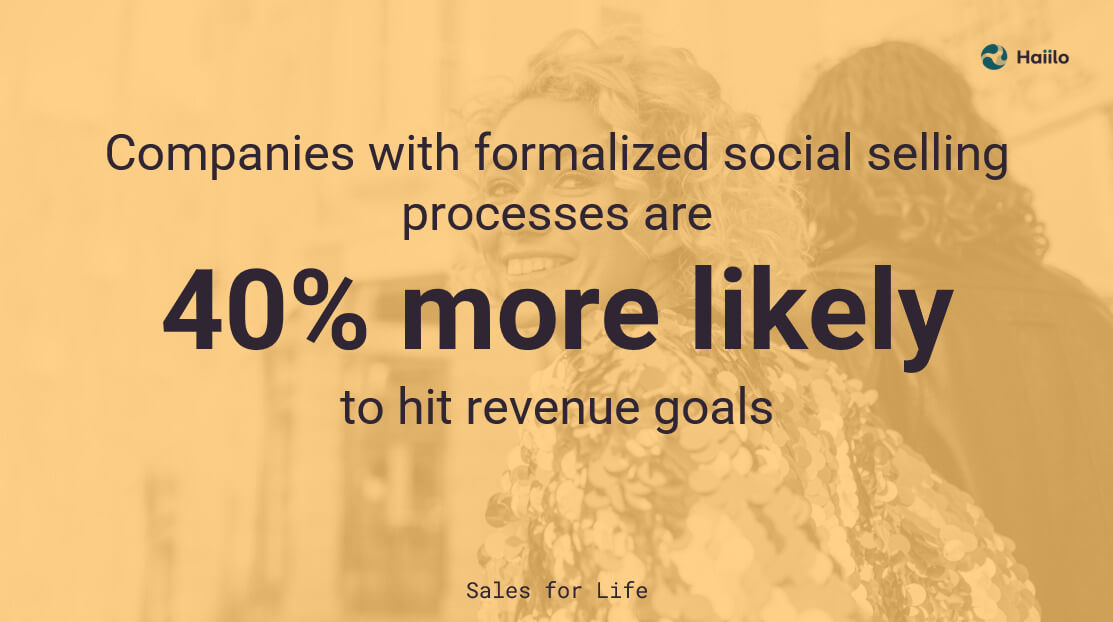
Formalizing your approach also drives better results. Organizations that define clear processes, provide the right tools, and support their teams are far more likely to see measurable impact from their social selling efforts, including improved pipeline and stronger revenue outcomes.
10 Powerful Statistics About Social Selling
The impact of social selling is clear. As buyer behavior shifts toward digital channels, more organizations are investing in this approach to stay relevant and competitive. If you are still wondering what is social selling and why it matters, the data below shows how strongly it influences modern sales.
Let’s take a look at the most relevant statistics that highlight the importance of social selling:
- According to 39% of B2B marketers, social selling helps reduce time spent on account and contact research, making it one of the top reasons for adopting this strategy.
- A Forrester study found that 49% of B2B enterprises already have a social selling program in place, showing steady adoption across the market.
- 33% of users prefer to contact brands through social media rather than making a phone call, reflecting changing communication preferences.
- According to industry research, 84% of senior executives use social media to support purchasing decisions, highlighting the importance of being visible where decisions are influenced.
- Customers tend to spend more with brands that engage with them on social media, showing the value of consistent interaction (source).
- 76% of buyers are open to engaging with vendors through social media conversations during their decision process.
- Social driven interactions play a growing role in revenue generation across industries, especially where relationships influence buying decisions (McKinsey).
- A large share of top performing sales professionals actively use social selling tools as part of their daily workflow (LinkedIn).
- Many buyers consume multiple pieces of content before reaching out to sales, making consistent content sharing critical.
- Most B2B buyers conduct online research before making a purchase, often completing a significant part of their journey independently (Gartner).
One of the most effective ways to scale your efforts is through employee advocacy programs. When employees share company content, it reaches wider and feels more authentic than brand only communication.
In fact, employee driven sharing can significantly expand the reach of your messaging compared to corporate channels alone. This makes employee advocacy on social media one of the most practical ways to increase visibility and support both marketing and sales goals.
However, success does not happen by chance. Employees need the right support, guidance, and structure to act as confident brand ambassadors. The easier you make it for them, the more likely they are to participate consistently.
Alignment also matters. Many organizations struggle with inconsistent messaging between teams, which can confuse buyers and slow down decisions. A structured approach helps create clarity and consistency across all touchpoints.
Structured advocacy programs:
- Provide a central place for company content, making it easier to stay consistent in tone and messaging
- Make sharing simple, so employees can post relevant content in just a few clicks
- Encourage participation through light gamification and clear incentives
- Support employee generated content, adding authenticity and variety
- Offer analytics and insights to understand what works and improve over time
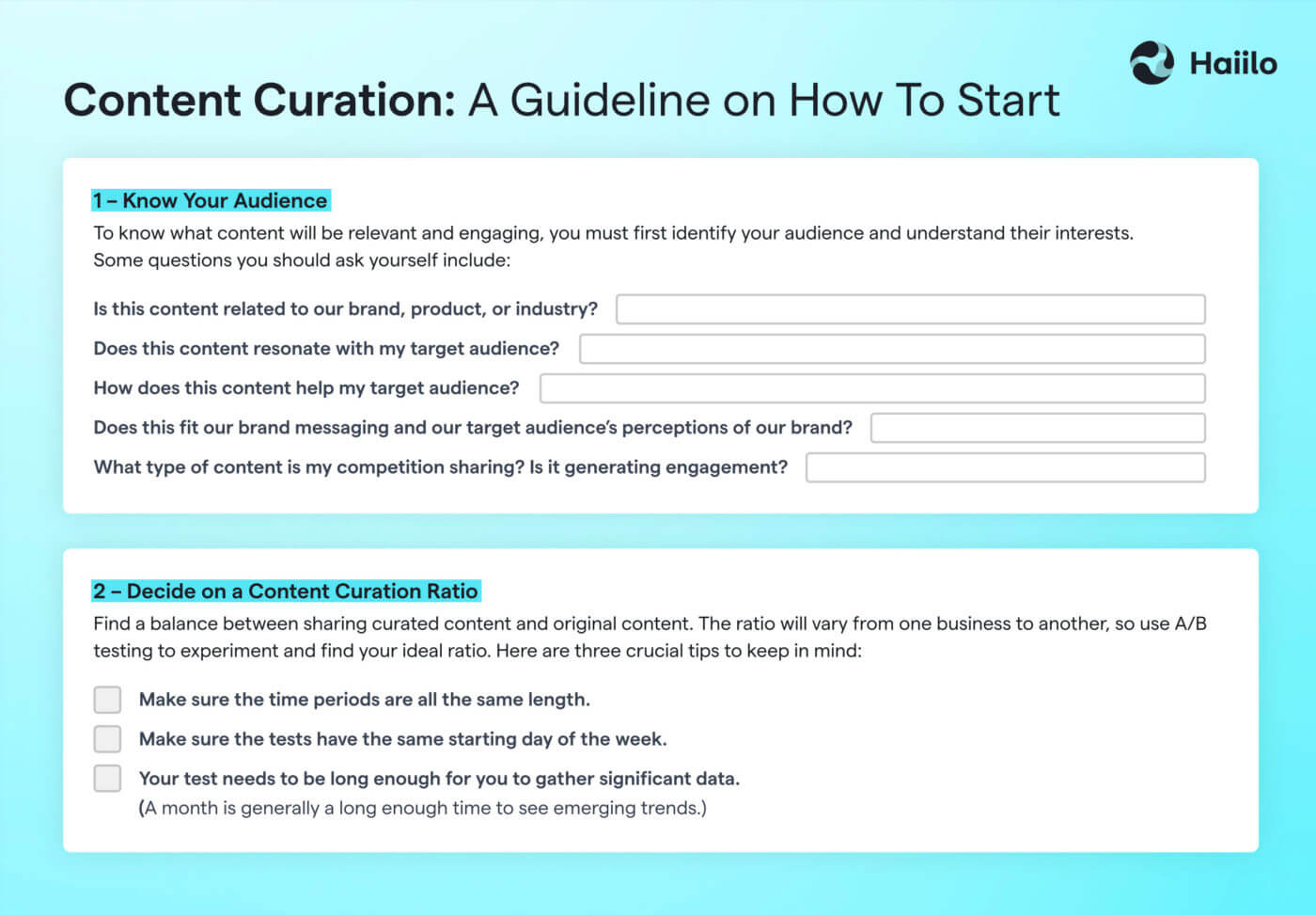
Want to learn more? Check out our content curation guideline!
FAQ: Social selling
1. What is social selling in simple terms?
Social selling is about building relationships with potential customers through social media. Instead of reaching out with cold messages, you engage with your audience by sharing useful content, joining conversations, and showing your expertise. If you are wondering what is social selling in practice, it is less about selling directly and more about staying visible and relevant until your prospects are ready to act.
2. How is social selling different from traditional selling?
Traditional selling often relies on cold calls, emails, and direct pitches. Social selling takes a different approach. It focuses on trust first. You connect with people, understand their challenges, and offer value before asking for anything in return. This makes conversations more natural and increases the chances of long term relationships, not just one time deals.
3. Which platforms are best for social selling?
It depends on your audience. For most B2B teams, LinkedIn is the most effective platform because that is where decision makers are active. However, other platforms like X, Instagram, or even TikTok can work if your audience spends time there. The key is not to be everywhere, but to be active where it matters most for your business.
4. How long does it take to see results from social selling?
Social selling is a long term effort. You might see small wins early, like more profile views or engagement, but real results come from consistency. Over time, as you build trust and stay visible, more conversations turn into opportunities. The key is to show up regularly and focus on helping your audience, not just selling to them.