
Feel like internal communication in your business could do with an upgrade? If messages aren’t getting the attention they deserve or employees are switching off from long-form updates, it may be time to rethink your approach. Here are 8 ways you can use internal video communication to cut through the noise and level up how your teams connect, learn, and stay informed.
Video marketing has become one of the most widely adopted formats businesses rely on today—and that momentum is now influencing how organisations communicate internally. As employees face a constant stream of emails, chats, and updates, video offers a more engaging and accessible way to share information. Many organisations are increasing their use of video not just for external campaigns, but to improve onboarding, leadership communication, and knowledge sharing. When used effectively, internal video communication helps simplify complex messages and delivers them in a way that’s easier to consume and remember.
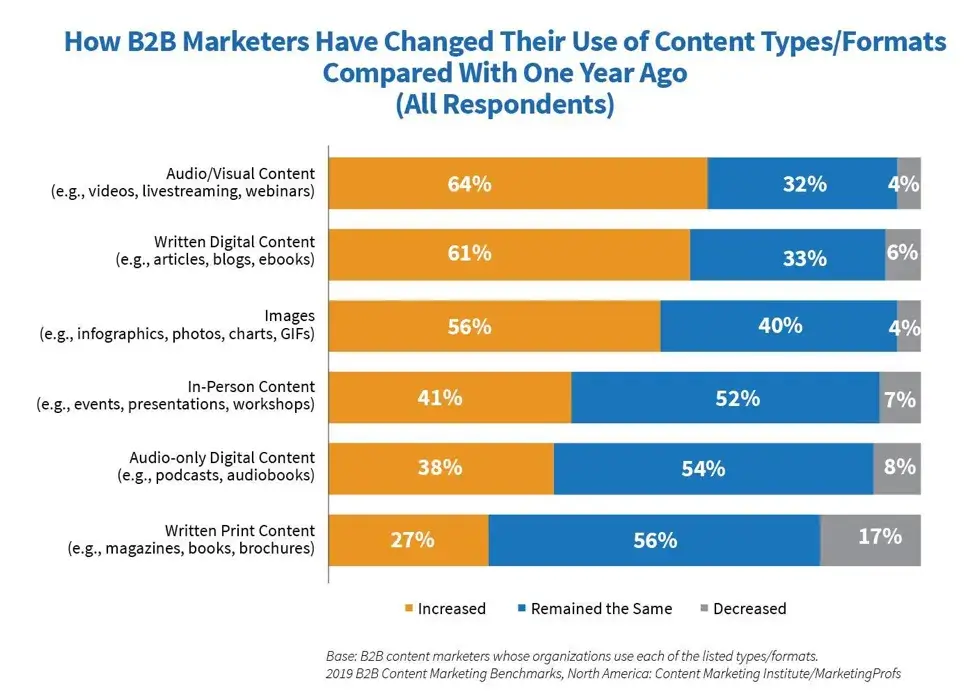
Source: Content Marketing Institute
While video is great for outbound marketing, it’s just as a valuable tool for internal communication. In fact, many organisations are now applying the same principles they use to engage external audiences to improve how they communicate with their own employees—making messages more visual, digestible, and engaging.
📚Download our ebook “How to Boost Internal Communication” where we share tips and tricks to build a successful internal communication.
After all, your workforce is made up of people who are used to consuming video every day. And while entertainment content might dominate personal screen time, expectations are shifting in the workplace too. Employees increasingly prefer content that’s quick to watch, easy to understand, and visually engaging—especially when compared to long emails or dense documents.
This is where internal video communication stands out. It helps translate complex ideas into simple, accessible formats, making it easier for employees to absorb information and stay aligned. Whether it’s leadership updates, training content, or company-wide announcements, video enables organisations to communicate with more clarity, consistency, and impact—without adding to information overload.

Together, these behaviours show that business-related content is not only consumed—it’s expected. Employees are just as accustomed to video in their professional lives as they are in their personal ones, which makes it a natural format for delivering important updates and information.
But how do you leverage video for internal communication in a way that actually improves outcomes?
Internal marketing is defined as the process of promoting a company’s goals, products, and services within the organization. This involves internal communication and education among other important aspects. Done well, it ensures employees understand not just what the company is doing, but why it matters—and how they can contribute.
Because video is such a powerful and versatile format, it’s ideal for helping businesses reach their staff with clear, timely messaging. It allows organisations to communicate more consistently across locations, roles, and time zones—without relying solely on written updates that can easily be missed or ignored.
In this blog post, we share 8 ways to leverage video to help boost your internal communication—and build a more connected, informed workforce through internal video communication.
We’ll look at how video can have a positive impact on employee onboarding, how it can be used as a tool for the timely distribution of important information, and why it’s ultimately essential for developing a growth-focused culture. Along the way, you’ll see how even simple video formats can make communication feel more human, accessible, and effective.
1. Take Your Employee Onboarding to the Next Level with Effective Internal Communication
Being a new starter is both exciting and nerve-wracking. There are new names and faces to commit to memory, and loads of information to absorb. Onboarding is meant to adequately address the needs of all new employees, but it can often fall short when information is overwhelming or poorly delivered.
Many different factors influence whether a new hire feels confident and engaged in their first few months—and poor internal communication is one of the most common risks. Without clear, consistent messaging, new employees can quickly feel disconnected or unsure of expectations.
Internal communication is essential when it comes to welcoming and onboarding new hires. But onboarding doesn’t stop at sharing a welcome kit, documentation, HR forms, or safety rules. Instead, effective onboarding focuses on connecting new hires with their colleagues, the company’s culture, and its purpose—and inspiring them to contribute to the business’s success from day one.
This is where internal video communication can make a measurable difference. Video allows organisations to introduce leadership, showcase team dynamics, and explain key processes in a more engaging and human way. New hires can revisit information at their own pace, which improves understanding and reduces the pressure to absorb everything at once.
The first weeks at the company are critical and they have a great impact on the new hires’ motivation to stay at the company. When onboarding feels clear, personal, and engaging, employees are far more likely to feel confident in their role—and committed to the organisation for the long term.
Video can be used as an on-demand solution for new starters. With access to online employee training on everything from internal policies to product training, ramping up staff becomes far more efficient and consistent. Employees can revisit key information when they need it, rather than relying on one-time sessions or fragmented documentation.
The cost to a company can also decrease over time. Where onboarding traditionally relied on in-person sessions or repeated training, video becomes a scalable, always-available resource that supports teams without adding ongoing overhead. It also ensures a more consistent experience for every new hire, regardless of location.
But most importantly, videos make employee onboarding more engaging. They give new hires a clearer sense of the company’s culture, tone, and expectations—something that’s often hard to convey through text alone. Short, well-produced videos can quickly bring values, teams, and ways of working to life.
You can also encourage new hires to introduce themselves in a short video posted to your employee communications platform, where colleagues can easily comment and respond. It’s a simple but effective way to break the ice, create early connections, and help new employees feel part of the organisation from day one.
2. Re-board Old Staff
Re-boarding is the retraining of staff. It’s an important part of keeping a team aligned with business objectives and ensuring employees stay up to date with new products, processes, or strategic changes.
Re-boarding is also an important employee engagement and retention factor. Today’s workforce increasingly expects opportunities to learn and grow, and organisations that fail to provide clear development pathways risk losing talent to competitors.
This is where internal video communication becomes especially valuable. Video allows organisations to deliver consistent, on-demand learning content that employees can access when it suits them. Whether it’s product updates, new workflows, or leadership messaging, video makes it easier to keep everyone aligned without requiring time-consuming live sessions.
Video, once again, is a practical solution. It can be used to deliver ongoing education, providing employees with the resources they need to grow, build new skills, and stay connected to the business’s direction.
3. Educate Employees Quickly
On-demand video isn’t just accessible—it’s one of the fastest ways to educate large groups of employees at scale. Instead of coordinating schedules or repeating the same sessions, organisations can share a single video resource across teams, locations, and time zones.
Because on-demand video can be delivered simultaneously to many employees, you’re able to share new information faster and speed up the education process in your organisation. This is particularly useful for time-sensitive updates, compliance training, or product launches.
Educational videos can range from in-depth tutorials to short, focused how-to clips that help staff complete specific tasks. Breaking complex topics into shorter segments allows employees to learn in manageable chunks, improving both comprehension and retention.
4. Simplify Complex Information
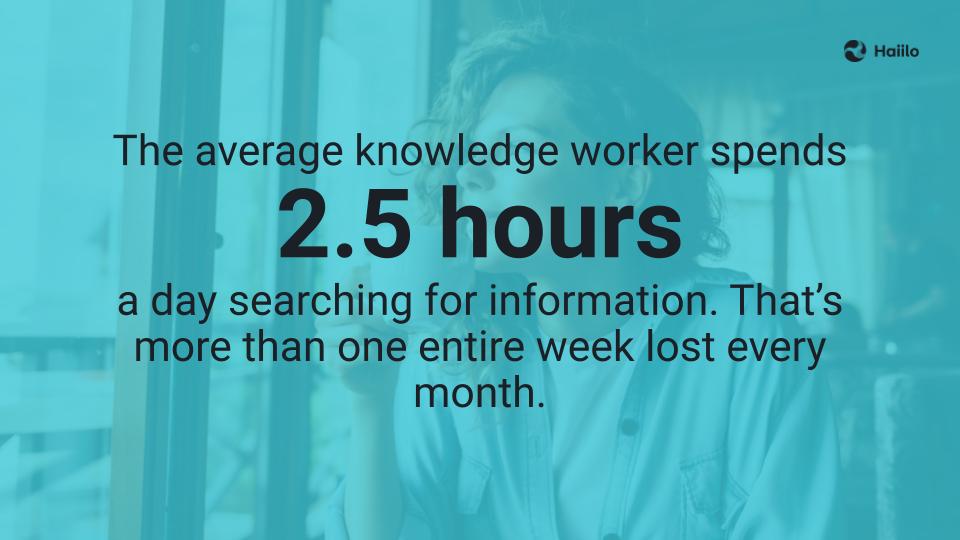
As technology evolves, it introduces new tools, systems, and processes—and with them, new layers of complexity. Employees often struggle to find or understand the information they need, which can slow down workflows and create unnecessary friction.
Video marketing is a great way to address these and other complex education-related challenges your organisation may be facing. As tools, systems, and workflows become more advanced, the gap between introducing new technology and actually enabling employees to use it effectively continues to grow.
For example, many organisations are adopting AI, machine learning, and business analytics tools to uncover insights and improve decision-making. These tools, however, only deliver value if employees understand how to use them in their day-to-day work. Without clear guidance, even the most powerful technology can remain underutilised.
Related: Internal Communication: Definition, Challenges and Top Reasons Why It’s More Important than Ever
Creating internal videos that explain how to navigate systems, interpret data, and apply insights in real scenarios becomes critical. Video allows you to break down complex topics into clear, visual steps—helping employees move from understanding to action much faster.
Different employees absorb information in different ways, which means your communication approach needs to be flexible. By using internal video communication alongside written resources, you can make information more accessible and easier to engage with, regardless of role, location, or experience level.
5. Keep Employees Updated with Company News
There’s no shortage of information available today. From performance data and company updates to day-to-day team communications, employees are constantly exposed to a high volume of content. And while access to information is valuable, it can quickly become overwhelming if it isn’t delivered in a clear and structured way.

Video can serve as the perfect medium for sharing company news, updates or managing a PR crisis. And your video doesn’t have not be sophisticated either.
You can https://www.uscreen.tv/blog/how-to-make-a-good-youtube-video/make a good video from the comfort of your desk and distribute it to your entire organization in minutes. With minimal setup, teams can quickly communicate updates, respond to change, and keep employees informed without relying on lengthy written announcements.
In fact, this level of agility is increasingly important. Organisations that can share updates quickly and clearly are better positioned to keep teams aligned—especially in fast-moving or high-growth environments where information needs to travel fast.
Video, therefore, becomes a vehicle for delivering timely and valuable information to your employees. As part of a broader internal video communication strategy, it helps ensure messages don’t just get sent—but actually get seen and understood.
Think about it: your employees may not have the time to read long reports. However, it’s easy for them to watch a short video on the go where their team leader shares highlights on performance or where top management communicates key updates in a clear, human way.
6. Connect Employees in an Authentic and Human Way
Employee engagement is a serious challenge for businesses across the globe. Research consistently shows that many employees feel disconnected from their work, leadership, or organisational direction.
While training and development play an important role, many employees cite relationships with managers and internal communication as key factors influencing how engaged they feel on a day-to-day basis.
Using video to bridge this gap—especially in distributed or hybrid organisations—can help increase employee engagement. Video adds tone, context, and personality that written communication often lacks, making messages feel more direct and relatable.
With regular updates via video, leaders are able to provide mission-critical information in a timely and visible way. This reduces the need for constant meetings, while still ensuring employees feel informed and connected.
Video also helps build relationships. It creates a more direct sense of connection between leadership and employees, giving people clearer visibility into company priorities. This helps employees understand how their contributions link to the bigger picture.
7. Encourage Your Employees to Play an Active Role in Your Internal Communication
Encouraging staff to become video creators can accelerate the growth of a more inclusive and empowered organization. Instead of communication flowing only from the top down, employees can actively contribute insights, updates, and ideas.
Team members can begin to contribute by becoming video creators and using video in practical, everyday ways—from sharing updates to explaining processes or highlighting success stories.
As explained earlier, introductory videos featuring new staff can help new starters build connections faster. Likewise, https://haiilo.com/blog/knowledge-sharing-culture/knowledge sharing tips (such as best practices or updates from different teams) can become short video formats that keep everyone aligned and informed.
The key is to make video production as easy as possible for your employees. Removing friction—whether technical or process-related—makes it far more likely that people will participate.
Keep in mind that not everyone is a video expert. Providing simple tools, templates, and guidelines ensures employees can create and share content confidently, regardless of their experience level.
8. Boost Your Company Culture
Company culture isn’t created overnight—it develops through consistent behaviours, communication, and shared experiences. Video can play a meaningful role in reinforcing that culture over time.
Using video as a method of supporting your culture allows organisations to highlight values, celebrate wins, and showcase real employee stories. This makes culture more visible and tangible across teams.
To fully benefit, video needs to be seen as more than just an internal communication tool. It should become a natural way for employees to connect, collaborate, and share knowledge as part of everyday work.
Related: https://blog.haiilo.com/blog/the-importance-of-company-values/Company Values: Definition, Importance and Examples
Like all new initiatives, adopting internal video communication takes time. Employees may need support and encouragement early on—but as they begin to use it regularly, it becomes easier to create authentic connections across the organisation.
If you’re in a leadership role and wondering how to introduce video as a real and viable communication tool, here are 3 tips on how to promote it internally:
- Educate on the value of video. Video is a powerful format, but adoption depends on understanding its benefits. Show teams how it improves clarity, engagement, and accessibility in internal communication.
- Provide a basic policy for the creation of content. Establish simple guidelines that align with your company culture, from the type of content to tone and best practices.
- Use a mobile-first https://blog.haiilo.com/blog/employee-communications-platform/employee communications platform. Ideally, this platform should centralise content and make it easy to access, share, and engage with videos across the organisation. It also supports stronger adoption by giving employees a single place to discover updates and contribute their own content.
Conclusion
Video is a powerful tool for modern organisations. While it’s widely used to engage external audiences, it’s just as important for building stronger connections internally.
As part of an internal video communication strategy, on-demand video helps organisations deliver information that is clear, accessible, and easy to revisit. It supports more effective onboarding, faster learning, and more consistent communication across teams.
Ultimately, video enables organisations to move beyond one-way messaging and create a more engaged, informed, and connected workforce—where employees not only receive information but actively take part in sharing it.
Frequently asked questions about internal video communication
What is internal video communication and why does it matter?
Internal video communication is the use of video to share updates, training, and information with employees. Instead of relying only on emails or documents, teams use short videos to explain ideas more clearly and make messages easier to consume. It matters because employees are dealing with high volumes of information daily—video helps cut through that noise and improve understanding, engagement, and retention.
How can internal video communication improve employee engagement?
Video adds a human element that written communication often lacks. When employees can see and hear leaders or colleagues, messaging feels more personal and authentic. Regular video updates also give people more visibility into what’s happening across the business, helping them feel more connected. This is especially valuable for hybrid or remote teams where face-to-face interaction is limited.
What types of content work best for internal video communication?
The most effective content is usually simple and practical. This includes onboarding videos, leadership updates, training and how-to content, and team announcements. You can also use video to support knowledge sharing across departments, making it easier for employees to learn from each other and stay aligned.
Do you need professional equipment to get started with internal video communication?
No. Most teams can create effective video content using a laptop or smartphone. What matters more is clarity, relevance, and ease of access—not production quality. The key is to make video creation simple and scalable, ideally using an employee communications platform where videos can be shared, discovered, and discussed in one place.
See the benefits of using Haiilo today