
Defining a company’s employee value proposition requires the involvement of several other stakeholders besides your HR department. Who are these stakeholders and what are their roles? How can your internal communication facilitate the process?
An employee value proposition (EVP) is an integral part of any modern workplace. It’s a comprehensive ecosystem of rewards, support and recognition that a company provides its employees for them to reach their true potential.
💡Download our free eBook “How to boost internal communication” and learn how to drive engagement in the workplace with an effective internal communication strategy.
EVP assists companies in attracting and retaining top talent in the market as well as boost employee engagement.
Any company without a strong employee value proposition will have a tough time finding the right people for their vacancies.
Related: Employee Value Proposition: The Complete Guide to Building a Great EVP
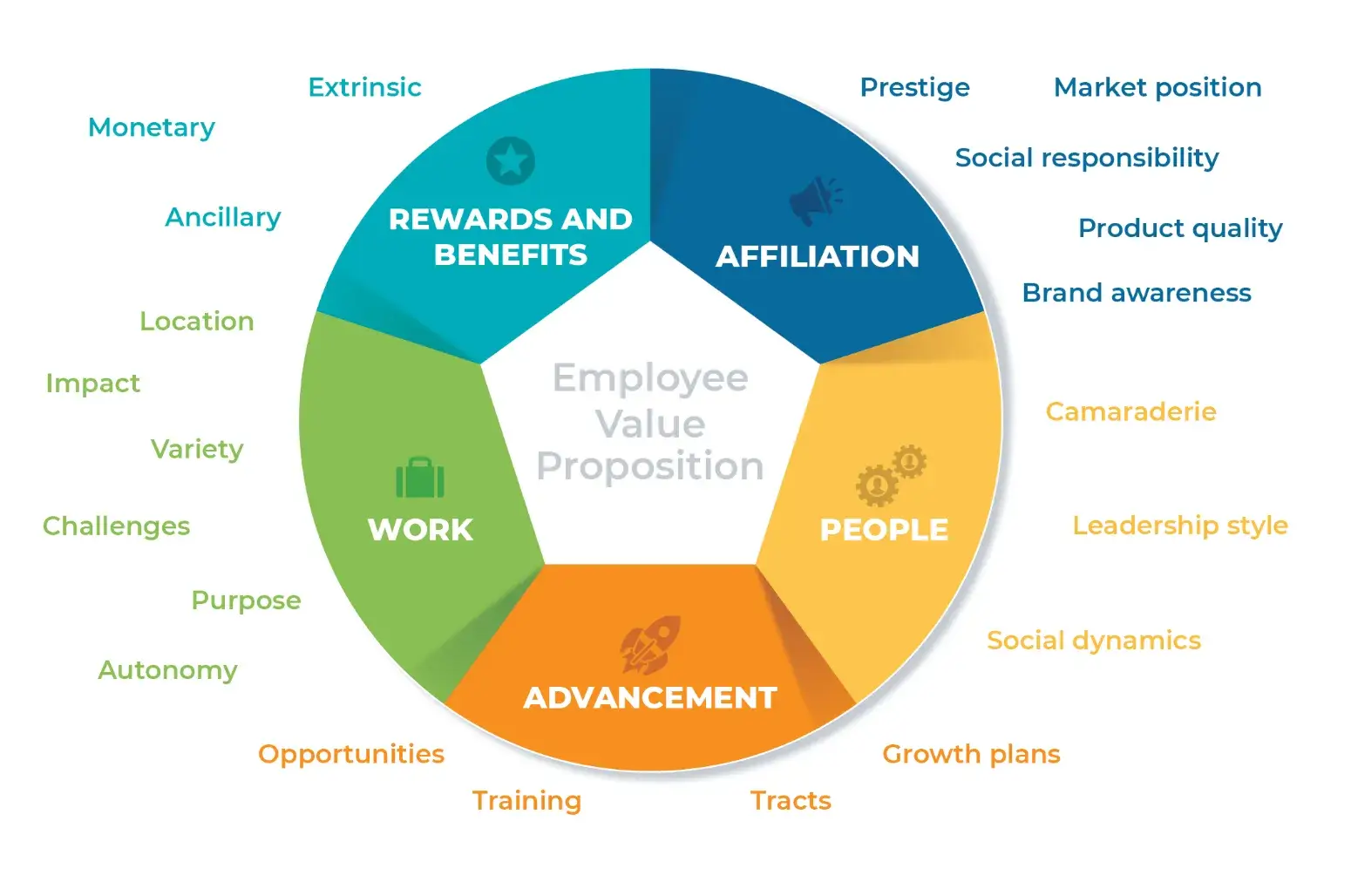
However, who should be responsible for defining and crafting your employee value proposition (EVP)?
In this article, we’ll discuss the role of various people in defining your EVP and the role of internal communication in the process.
While having an employee value proposition is important, ensuring that the right people define it is essential. Without clear ownership, your EVP can quickly become inconsistent, outdated, or disconnected from what employees actually experience. A strong employee value proposition framework depends on the right people working together with shared accountability. This will hold your EVP in good shape and keep it valuable to your workforce.
Who Should be Responsible for Crafting a Great EVP at Your Workplace?
1. Human Resources (HR)
A cross-functional team from your HR department should take a leading role in defining your EVP. As they deal with your employees directly across the entire lifecycle—from hiring to development to retention—they are best placed to connect employee needs with business goals.
This team should include people from several HR teams like talent acquisition, employee engagement and training & development. Bringing these perspectives together helps ensure your EVP is not one-dimensional, but reflects the full employee experience.
It’s up to your HR department to design, run and monitor your Employee Value Proposition within a clear employee value proposition framework.
They must first understand what your organization currently offers and identify its real strengths—not just what sounds good on paper, but what employees genuinely value in practice.
In case you already have an EVP in place, they need to evaluate its effectiveness regularly. This means identifying gaps between promise and reality, spotting outdated messaging, and making adjustments as expectations evolve.
Next, they need to consult focus groups comprised of current and former employees to get a better idea of what their needs and desires are. This step is critical. Without employee input, your EVP risks being based on assumptions rather than real insight.
A comprehensive employee survey program can help with this. Your HR department can ask questions such as:
- What motivates you to work here?
- What would you like to change?
- What do you need from the company?
They can also dig deeper by asking how well the company delivers on its promises and where expectations fall short.
This will give them a clearer, more honest view of how employees experience the company and what needs to improve to support their success.
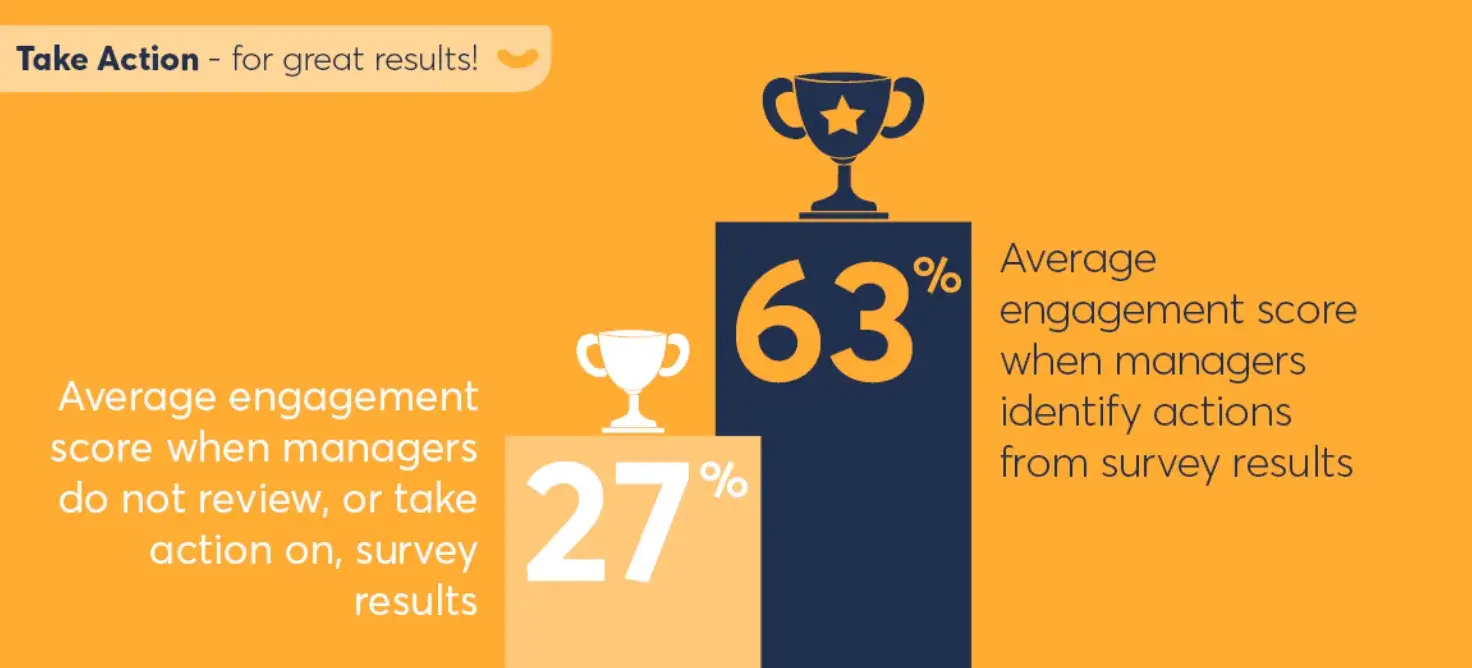
Remember, engagement only improves when managers review, communicate, and act on survey results consistently—not just collect them.
Once your HR team has collected all this information, they must categorize your workforce into buckets and create different EVPs that are relevant to each group.
It’s up to them to empathize with your employees and ask themselves:
- What kind of career growth is this persona trying to achieve?
- What kind of workplace culture are they looking for?
- What kind of structure does the company need to provide for this employee to grow?
Your HR department must consult members across your organizational hierarchy to develop a comprehensive EVP that satisfies all the parties involved.
💡For a more detailed look at crafting a great employee value proposition, check out this detailed guide.
2. Employees
While HR does most of the actual planning and implementation, your employees play a vital role in your EVP development.
It’s your employees’ insights and expectations that drive what your EVP becomes. Your HR department must consult your employees and value their feedback when developing an employee value proposition.
Remember, an EVP is for your employees – it’s only right that they have a significant say in what it should be.
If your HR bypasses this step – or doesn’t consult your employees enough, you could be left with an EVP that is irrelevant to the majority of your company.
You’ll then have a dissatisfied workforce on your hands that isn’t motivated or engaged with your organization.
Your employees will also play a big role in distributing your EVP and ensuring that it’s easily adopted.
Once well-connected, influential team members publicly vouch for an EVP, the rest of your workforce should happily follow suit.
3. Executive Management
It’s important for your executive management to be involved in the EVP development process.
This ensures that your employee value proposition is aligned with the company’s culture, mission and business goals.
Moreover, any proposed changes to EVP will need approval from your top management.
For example, if you choose to have a flexible work from home policy, your CTO will have to sign off on software needed to make remote work seamless. Additionally, your CFO will have to agree to a budget for that software.
Related: 5 Ways to Truly Connect with Your Employees
Finally, ensuring that your leadership staff thoroughly understands the EVP also helps prepare them for its implementation.
They’ll now be better placed to address any employee concerns or suggestions that arise as changes are implemented.
The Role of Internal Communication in EVP Development and Implementation
Internal communication plays a huge role in the development and implementation of your EVP.
It’s important to have a strong internal communication strategy in place to make the most of your EVP.
Related: Internal Communication: Definition, Challenges and Top Reasons Why It’s More Important than Ever
Here are three ways an effective internal communication will help you build a great employee value proposition:
1. Gathering Employee Feedback
A good internal communication system facilitates efficient feedback. As your employees have a strong, effective channel to communicate their grievances and thoughts, your HR team will find it easy to identify areas of improvement.
When it comes to building an EVP, you need to consider your employees’ expectations and find ways to improve your work environment.
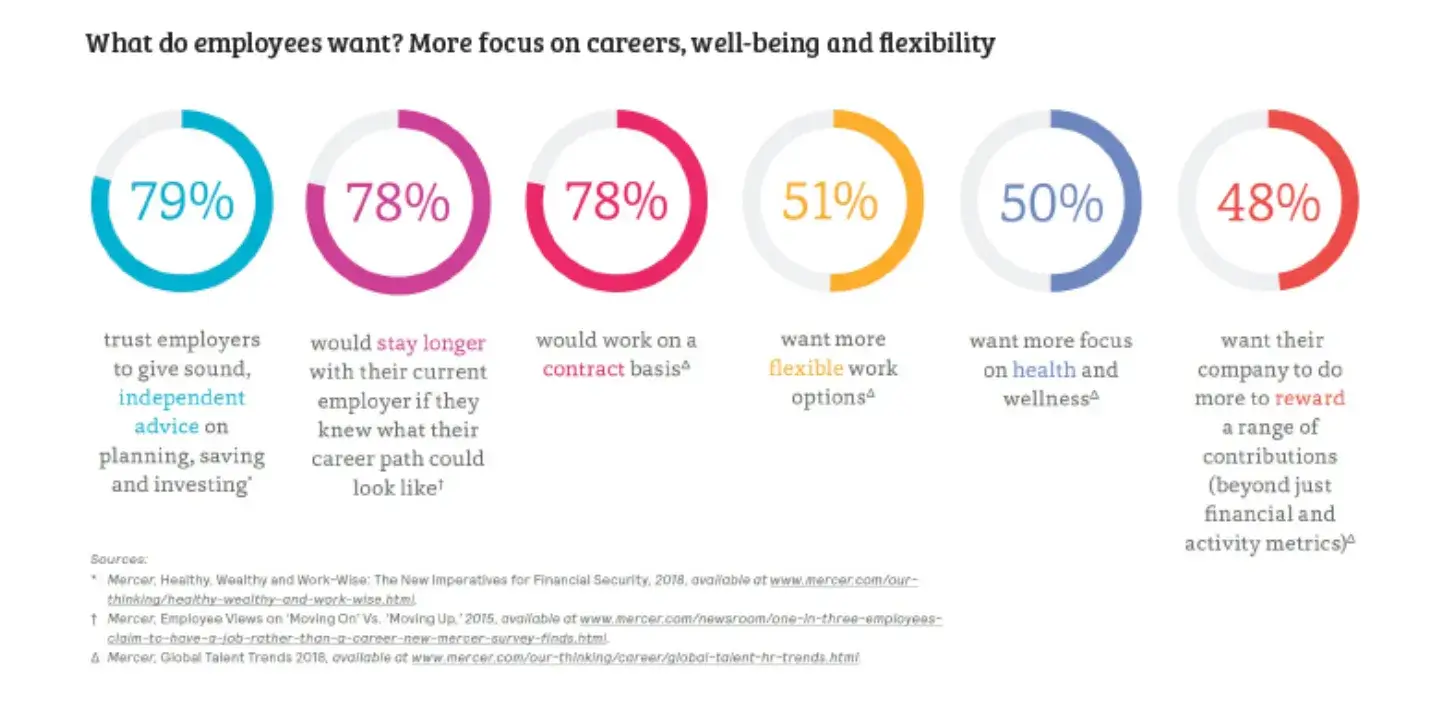
A good internal communication system can also help your HR team carry out employee surveys and reach out to target groups.
As all your communication is streamlined and ordered, they’ll easily get all the information they need.
2. Creating a Positive Workplace Culture
Your HR team can use your internal communication platform to check past grievances and issues that your workforce has had in the past.
It’s also a good place to identify what your employees are concerned about and what they truly need and desire.
For example, if your internal communication platform shows that employees are sharing articles on leadership and having discussions around how to manage people better, it’s an indication that they would be interested in attending leadership training programs.
Related: Building a Company Culture that Drives Employee Engagement
Accordingly, you could introduce leadership training for newly appointed managers and even one-one coaching for your senior leaders.
Investing in developing soft skills is great for their professional growth as well as boosting employee engagement of their reporting team members.
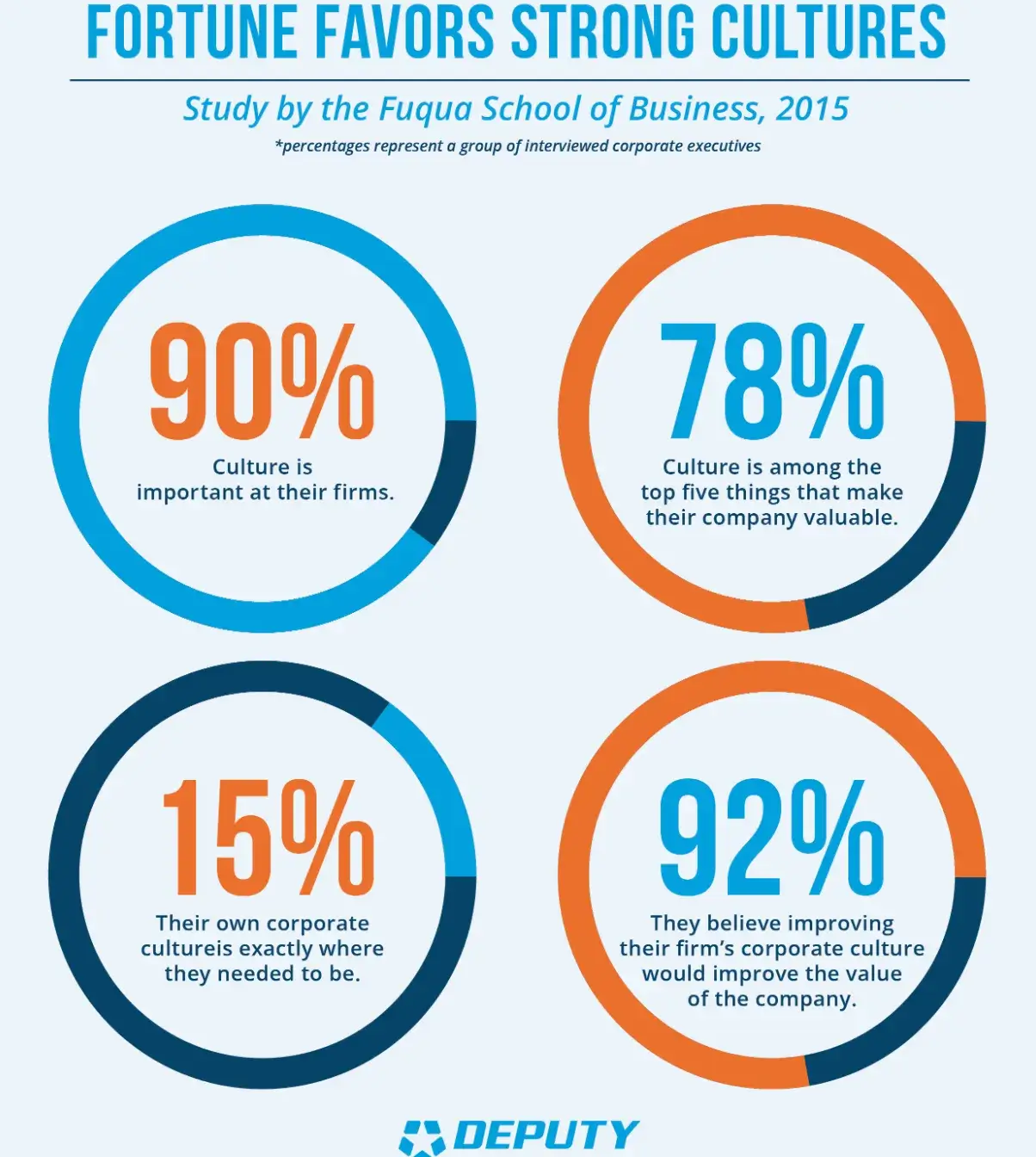
Studying these conversations makes it easier for your HR team to identify what your employees actually value—not just what you assume they want. This insight is critical when building an employee value proposition framework that reflects real needs and expectations. It helps you move from generic messaging to something specific, credible, and relevant.
3. Sharing Content that Attracts Top Talent
You can also use your internal communication channels to help your employees share company-related and behind-the-scenes content to their social networks.
This approach turns your workforce into authentic advocates. Instead of relying only on corporate messaging, you show what it’s really like to work at your company. That’s far more convincing to potential candidates and helps strengthen your employee value proposition framework in a visible, practical way.
Think about it: by providing your employees with shareable content—such as hiring videos, Employee Appreciation Day videos, birthday celebration photos, and employee success stories—you make it easy for them to participate. The easier you make it, the more likely they are to share.
Over time, this builds a more human and relatable employer brand. It also ensures your EVP is not just defined internally but consistently demonstrated in the real world.
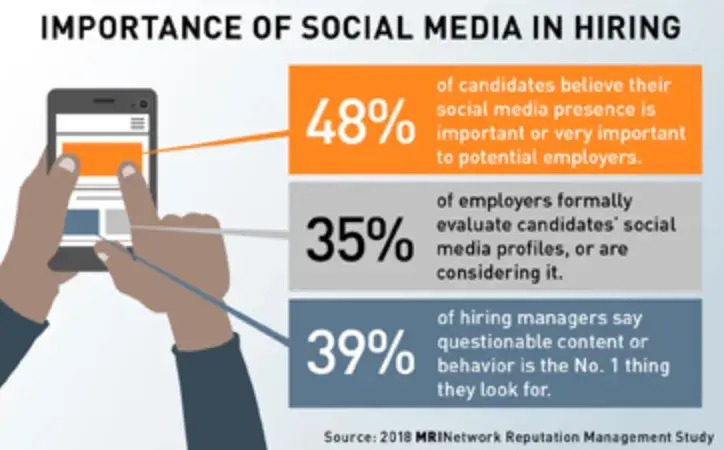
Most candidates today research companies before applying, often using social media to understand culture, values, and employee experience. That’s why promoting your EVP through employee-driven content is so effective. It shows proof, not just promises.
It’s also a simple way to scale your visibility without increasing marketing spend. By involving your employees in your employer branding efforts, you create a steady stream of credible content that helps you stand out.
When done well, this doesn’t just attract attention—it helps you attract the best talent who already align with your culture and expectations.
Conclusion
Every modern company must have a well-planned, comprehensive employee value proposition. Without a clear structure, EVPs often become vague statements that fail to guide real decisions or influence employee experience.
The only way to achieve that is to involve all your employees—across your organizational hierarchy—in the process. From leadership to frontline teams, each group brings a different perspective on what makes your company valuable to work for. Capturing these perspectives is what turns a generic EVP into something meaningful and credible.
This is where a clear employee value proposition framework becomes essential. It helps define ownership, align stakeholders, and ensure your EVP is consistently shaped by real input—not assumptions.
When coupled with a strong internal communications system, your HR department will have no difficulty developing and implementing your EVP. Internal communication ensures that insights are shared, feedback loops stay active, and your EVP is not only defined but understood and lived across the organization.
See the benefits of using Haiilo today

Frequently asked questions
Who should own an employee value proposition framework?
Ownership shouldn’t sit with just one team. HR usually leads, but the strongest employee value proposition framework is shared across leadership, managers, and employees. HR brings structure and process, while leaders ensure alignment with business goals. Managers play a key role in delivering the EVP day to day. Tools like a social intranet make it easier to gather input, share feedback, and keep everyone involved. When ownership is shared, your EVP reflects real experiences—not just top-down messaging.
How do you build an employee value proposition framework that actually works?
Start by listening. Use surveys, focus groups, and employee data to understand what people truly value. Then define clear pillars—like growth, culture, or flexibility—and connect them to real actions. A strong employee value proposition framework isn’t just a statement; it shows up in everyday experiences. Using employee communications tools helps ensure your EVP is consistently communicated and reinforced across the organization.
What role does internal communication play in EVP?
Internal communication is what brings your EVP to life. It ensures employees understand what your company stands for and how it supports them. It also creates alignment between what’s promised and what’s delivered. For example, applying manager communication best practices helps reinforce EVP through daily interactions. Without strong communication, even a well-defined employee value proposition framework will struggle to make an impact.
How can you promote your EVP externally to attract talent?
Your EVP should be visible wherever candidates research your company—especially on social media and your careers pages. Encourage employees to share authentic stories and showcase real experiences. This strengthens your employer brand and builds trust with potential hires. Following a structured approach like this employer branding strategy can help. You can also use AI-powered features to scale content creation and keep messaging consistent. The goal is simple: show proof, not just promises.