
When it comes to shaping how employees perceive their workplace, few levers are as powerful as employee engagement communication. Every message, update, and leadership announcement contributes to how informed, connected, and valued employees feel. Yet despite widespread awareness of the importance of engagement, the reality inside many organizations tells a different story.
Today’s employee engagement levels remain alarmingly low. Gallup’s State of the Global Workplace shows that only around 21% of employees worldwide are engaged, meaning the vast majority are either disengaged or simply going through the motions. Communication plays a central role here. According to Axios HQ’s 2025 Internal Communications Report, ineffective internal communication causes employees to waste more than 35 working days per year searching for or clarifying information, directly undermining engagement and alignment.
📕 Download: The 2026 guide to good internal comms
Think about it: when employee engagement communication is clear, consistent, and meaningful, people feel motivated and genuinely recognized—not just informed. Research confirms this link. Studies show that teams that communicate effectively can improve productivity by up to 25%, while poor communication remains one of the leading causes of disengagement and lost performance.
When employees believe in your organization and understand its goals, that belief translates into powerful business outcomes. Engaged employees are more willing to go the extra mile, deliver better customer service, and act as brand ambassadors—especially on social media, where employee voices are increasingly trusted more than corporate ones. In fact, internal communication failures are linked to employees misunderstanding organizational goals nearly half the time, further reinforcing how communication gaps erode engagement from the inside out.
In other words, strong employee engagement communication isn’t a “nice to have”—it’s a growth strategy.
Driving employee engagement through great internal communications
When employee disengagement surfaces, the issue is rarely the workforce itself. More often, it stems from how the organization communicates. Inconsistent messaging, lack of transparency, and limited feedback channels leave employees feeling disconnected and unheard. Research shows that communication quality is now a primary driver of trust, engagement, and retention—particularly in hybrid and distributed workplaces.
If organizations want employees to fully believe in their brand, it starts with fixing how they communicate every day.
Even though internal communications play an important role in building an engaged workforce, most organizations still have a long way to go. Research shows that around 60% of companies don’t have a long‑term internal communication strategy, meaning communication is often reactive, fragmented, or inconsistent rather than intentional and audience‑driven. Without a clear strategy, employee engagement communication tends to focus on pushing information out, rather than creating understanding or dialogue.
The impact of this gap is significant. According to multiple global studies, 72% of employees say they don’t fully understand their company’s strategy—a disconnect that makes it extremely difficult for people to align their work with organizational goals or feel genuinely invested in outcomes. When employees don’t understand the “why” behind decisions, engagement erodes quickly.
Academic research reinforces this connection. A study from the University of Zagreb found that employees who are satisfied with their organization’s internal communication are far more likely to be engaged at work than those who are not. Crucially, the researchers concluded that internal communication and engagement “feed each other in a continuous virtuous circle,” meaning better communication drives engagement, which in turn improves how communication is received and acted upon.
5 ways great internal communications can boost employee engagement
Let’s take a closer look at how effective employee engagement communication directly influences engagement and performance in the workplace.
1. Proactive communication keeps everyone in the loop
The way employees consume information has fundamentally changed. Today, people expect information to reach them quickly, clearly, and in the tools they already use—rather than having to hunt for updates themselves. In the workplace, feeling “always the last to know” is one of the fastest ways to disengage employees.
Learning about company changes through external channels or rumors is not just frustrating—it’s demoralizing. In fact, 65% of organizations list “keeping everyone aligned” as one of their biggest internal communication challenges, highlighting how widespread this issue has become. In distributed and hybrid environments, these gaps are even more visible.
To meet these expectations, organizations are increasingly turning to mobile‑first platforms and employee communication apps that enable instant, targeted updates. These tools allow leaders to share time‑sensitive news—such as structural changes, new clients, or internal moves—in real time. When employees receive information proactively, they are far more likely to feel included and valued rather than reactive and disconnected.
When everyone is on the same page, employees feel like part of the business, not just spectators—and that sense of belonging sits at the heart of employee engagement communication.
2. Internal communications drive employee productivity
Effective internal communication doesn’t just influence how employees feel—it directly affects how efficiently they work. When information is scattered across emails, documents, chat tools, and systems, frustration quickly replaces focus.
Research shows that employees spend an average of 2.5 hours per day searching for the information they need to do their jobs. Over the course of a month, that adds up to more than a full working week lost to inefficiency. This constant friction doesn’t just hurt productivity; it chips away at trust and motivation.
Strong employee engagement communication addresses this by centralizing information, clarifying priorities, and reducing unnecessary noise. When employees can quickly find answers and understand what matters most, they feel more confident, capable, and engaged in their work—creating a direct link between communication quality and performance.

Poor internal communications have a tremendous impact on employees’ productivity and their ability to meet their targets:
- 44 percent of employees say that poor communication has caused delays or failure to complete projects
- 18 percent of employees say that lack of information has led to the loss of a sale
- 55 percent of workers say poor internal communications cause them to spend several hours or more each week on work they wouldn’t otherwise need to do.
At the end of the day, it’s your employees’ motivation and well-being that is impacted by poor internal communications.
When employees feel like they are wasting time on unnecessary or avoidable work, frustration quickly sets in—and frustrated employees are far less likely to feel engaged with the organisation as a whole. In fact, this frustration is one of the clearest signals that employee engagement communication is breaking down somewhere along the line.
Research from McKinsey shows that knowledge workers spend roughly 20% of their working week searching for information they need to do their jobs—equivalent to one full day lost every week. More recent studies suggest this problem can be even worse, with some employees spending up to two hours per day navigating systems, chasing documents, or trying to work out who has the right answers. Over time, this constant friction erodes motivation and leads employees to disengage—not because they don’t care, but because the workplace makes it harder than it should be to succeed.
Related: 5 Ways Effective Internal Communication Can Boost Employee Productivity
3. Two‑way communications empower employees
The era of purely top‑down communication is over. You can’t build meaningful engagement if communication only flows in one direction. At its core, employee engagement communication isn’t about broadcasting information—it’s about creating dialogue.
Effective internal communication means listening as much as speaking. Employees want to understand decisions, share feedback, and feel confident that their perspectives matter. Studies consistently show that organisations with strong two‑way communication see higher levels of trust, commitment, and engagement than those that rely on one‑way updates alone.
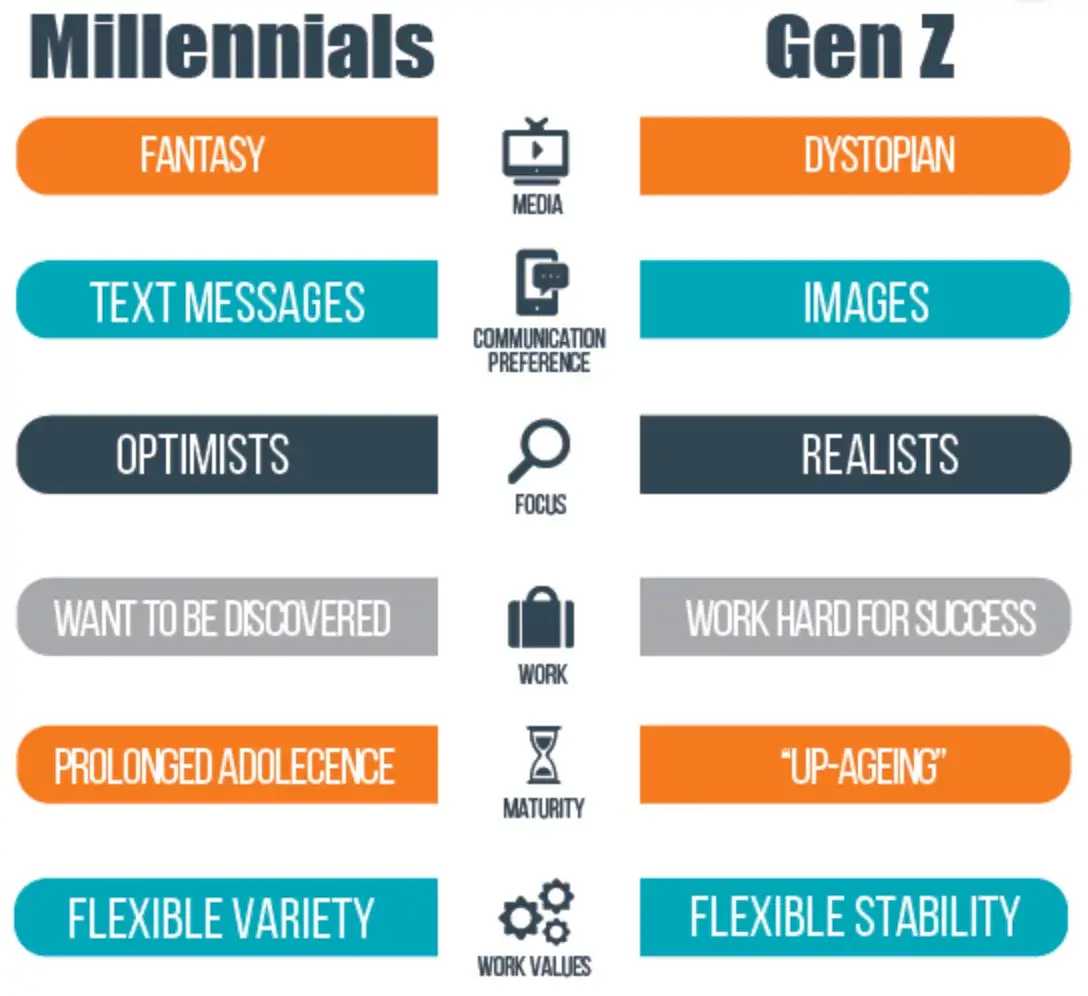
This expectation is especially pronounced as Generation Z becomes a larger part of the workforce. Academic research shows that transparent, participative communication is strongly correlated with higher engagement, trust, and job satisfaction among Gen Z employees, particularly when leaders invite them into conversations rather than simply informing them after decisions have been made. Gen Z employees expect to contribute ideas, influence outcomes, and continuously develop new skills. They’re motivated by purpose and progress, not hierarchy.
Two‑way employee engagement communication creates that sense of empowerment. When employees are genuinely listened to—and see their ideas taken seriously—they’re more likely to innovate, take ownership, and invest emotional energy in the success of the business. Empowerment isn’t about losing control; it’s about building commitment.
You’ll need the right employee communications app in place to support these new ways of working. As work becomes more distributed, relying on email chains, disconnected chat tools, or undocumented processes makes it harder for employees to stay aligned and engaged. Centralised, mobile‑first communication platforms help ensure that information flows consistently, reaches the right people, and supports meaningful connection rather than adding noise.
4. When teams communicate efficiently, they feel connected
Strong employee engagement communication does more than share updates—it connects people to people. Effective internal communication helps employees build relationships with colleagues across departments, locations, and seniority levels. These connections create access to mentors, role models, and informal guides who help newer or younger employees navigate their roles and culture. Research consistently shows that this kind of social connection improves onboarding experiences, boosts confidence, and increases long‑term engagement—particularly among early‑career employees.
This is becoming more important as the workforce shifts. Remote and hybrid work are now mainstream, but not without challenges. Recent data shows that around 66% of companies offer remote or hybrid working, while approximately 16% operate fully remote. While flexibility has clear benefits, many organisations struggle with one major downside: helping employees feel truly connected to the business and to one another.
Academic research highlights this risk clearly. Studies have found that poor communication significantly increases feelings of workplace isolation among remote employees, while strong, regular communication and peer interaction reduce loneliness and improve performance and commitment. Without intentional communication, remote workers are more likely to feel overlooked, disconnected from decisions, and disengaged from company culture.
This is where instant, transparent communication makes a measurable difference. By sharing business updates in real time and encouraging ongoing dialogue, organisations help remote workers stay informed and involved—rather than feeling like outsiders. At the same time, digital communication tools make it easier to connect employees across roles, locations, and teams, strengthening relationships that would otherwise never form.
When employees feel informed, included, and connected, engagement follows. In the end, effective employee engagement communication turns flexibility into an advantage—helping remote and on‑site employees alike feel part of one business. It’s a genuine win‑win.
Related: How to Truly Connect With Employees
5. Internal communications make work more fun
Employee engagement communication isn’t only about transparency, strategy updates, or feedback loops—it’s also about creating a workplace people genuinely enjoy being part of. Research consistently shows that enjoyment and positive emotion at work are strongly linked to higher engagement and motivation, especially when fun is built into everyday interactions rather than treated as a one‑off perk.
Of course, internal communications need to cover business priorities, company performance, and industry trends. But that doesn’t mean those messages have to feel dry or impersonal. In fact, studies show that communication that feels human and engaging is far more memorable and actionable than purely factual messaging.
There are many simple ways to bring this to life. You might share company updates in a lightweight internal newsletter—or energise that same update by delivering it via short video messages where employees can react, comment, or ask questions. When a sales colleague closes a big deal, you could announce it in a meeting—or amplify the moment through a personalised post that celebrates their contribution publicly. Milestones such as retirements, anniversaries, or team wins can also become collective moments by using short polls, reaction features, or collaborative posts to involve colleagues across the business.
Your employees spend eight hours—or more—at work every day. Internal communication that acknowledges this reality and creates moments of connection, humour, and celebration plays a powerful role in sustaining engagement over time.
Related: Employee Engagement: How to Spread Positivity Throughout Your Workplace
Another highly effective way to make employee engagement communication more dynamic is to encourage employees to create and share their own content. Research into employee‑generated content shows that contributing ideas, stories, or best practices helps employees feel heard, trusted, and more connected to their organisation. Whether it’s a blog post from a subject‑matter expert, a short video with onboarding tips, or a peer‑to‑peer shout‑out, employee‑created content turns communication into a shared experience—not a one‑way broadcast.
Empowerment doesn’t just drive engagement—it builds community.
Takeaways
Internal communications have a tremendous impact on employee engagement. When employees are instantly informed, connected to colleagues, and encouraged to participate through two‑way dialogue or content creation, they feel less frustrated, less isolated, and far more invested in the organisation. Put simply, effective employee engagement communication is the foundation of a culture where people feel valued, supported, and motivated to do their best work.
FAQs on employee engagement communication
What is employee engagement communication?
Employee engagement communication refers to how organisations share information, listen to feedback, and create ongoing dialogue with employees in a way that builds trust, clarity, and motivation. It goes beyond simply distributing company news. Effective engagement communication helps employees understand the company’s goals, feel connected to decisions, and see how their work contributes to the bigger picture—key drivers of engagement and performance.
Why is employee engagement communication so important?
Research consistently shows that poor communication is one of the main causes of disengagement at work. When communication is unclear or inconsistent, employees spend more time searching for information, misunderstand goals, and feel disconnected from leadership and colleagues. In contrast, teams that communicate effectively are more productive, more aligned, and significantly more engaged.
What does good employee engagement communication look like in practice?
Strong engagement communication is timely, transparent, and two‑way. It uses the right channels for different messages, reaches employees wherever they work, and encourages interaction—not just consumption. Importantly, it balances business‑critical updates with recognition, storytelling, and opportunities for employees to share ideas or content of their own, creating a sense of belonging and ownership.
How does internal communication affect remote and hybrid employees?
For remote and hybrid teams, internal communication becomes the primary way employees experience the organisation. Without regular, inclusive communication, remote employees are more likely to feel isolated or disengaged. Clear, consistent updates and opportunities for dialogue help distributed teams stay connected to colleagues, culture, and company priorities—even when they’re not physically present.
How can organisations improve employee engagement communication?
Improvement starts with treating communication as a strategy, not an afterthought. This means setting clear objectives, choosing the right tools, measuring effectiveness, and creating regular feedback loops. Organisations that listen, communicate openly, and clearly show how employee input leads to action are far more likely to build lasting engagement and trust.