
Brands have long been wary of employee generated content. The fear usually centers on risk, loss of control, and inconsistency. But in a digital environment defined by transparency, trust, and peer influence, EGC advocacy has become one of the most effective ways to build credibility and amplify brand voice at scale.
Employee generated content (EGC) is no longer a “nice to have.” It is a strategic lever for social advocacy, employer branding, and audience trust. When employees share authentic stories, perspectives, and expertise, brands gain something marketing alone can never manufacture: credibility rooted in real human experience.
Why EGC advocacy matters more than ever
The way people consume and trust content has fundamentally changed. Audiences are overloaded with polished brand messages and increasingly skeptical of corporate claims. Instead, they turn to people they perceive as peers or experts.
According to the Edelman Trust Barometer, employees are now the most trusted source of information about a company, ranking higher than CEOs, government leaders, or brand channels. In fact, 76 percent of respondents said they trust “regular employees” to tell the truth about how a business operates.
💡Read: How to make the business case for employee advocacy
At the same time, organic brand reach continues to decline across social platforms. Algorithms favor personal profiles over company pages, making EGC advocacy a powerful way to reclaim visibility. When employees share content, it reaches up to 8 times more engagement than content shared by brand channels alone, according to LinkedIn data.
EGC advocacy sits at the intersection of these trends. It combines trust, reach, and relevance into a single, scalable strategy.
What is employee generated content (EGC)?
Employee generated content is exactly what it sounds like: content created by employees that reflects their real experiences, expertise, and perspectives at work.
💡Read: How to turn your employees as credible thought leaders
This can include:
- Short social posts sharing insights or lessons learned
- Behind the scenes photos or videos
- Blog posts written by subject matter experts
- Employee stories about projects, customers, or culture
- Commentary on industry trends
Unlike traditional marketing content, EGC is not overly scripted or polished. That is its strength. It feels human because it is human.
EGC is often compared to user generated content (UGC), but there is a key difference. EGC advocacy is rooted in professional credibility. Employees are close to the product, the customers, and the reality of the business. Their content carries authority as well as authenticity.

The role of EGC advocacy in social and brand advocacy
EGC advocacy goes beyond encouraging employees to “share company posts.” It empowers them to participate in the brand narrative in their own voice.
This shift matters. Research from Sprout Social (2024) shows that 73% of consumers say they trust a brand more when its employees are active and visible online. When employees advocate through content, they humanize the organization and create emotional connection.
EGC advocacy supports social advocacy by:
- Turning employees into credible brand ambassadors
- Expanding reach through personal networks
- Creating two way conversations instead of one way broadcasting
- Demonstrating values through real behavior, not slogans
💡Read: Why trust in marketing is declining (and how employees can rebuild it)
For internal communications and marketing teams, this also means less pressure to produce every piece of content centrally. EGC advocacy distributes storytelling across the organization.
Trust, authenticity, and relevance: The foundations of EGC advocacy
EGC advocacy works because it aligns with how people decide what to believe.
- Trust: Employees are seen as insiders with nothing to gain from exaggeration.
- Authenticity: Content feels real because it is not overly branded.
- Relevance: Employees speak directly to the problems customers and peers actually face.
Nielsen’s most recent global trust research confirms this shift. Only 46% of people said they trust traditional advertising, while recommendations and insights from people they know or follow ranked significantly higher.
EGC advocacy taps into this dynamic naturally.
The business benefits of EGC advocacy
Beyond trust and reach, EGC advocacy delivers tangible business outcomes.
Organizations that actively enable employee advocacy programs report:
- Higher engagement: Hootsuite’s Social Trends Report found employee shared content generates 3 times more clicks than brand shared content.
- Stronger employer branding: Glassdoor data shows companies with visible employee voices see higher candidate trust and application rates.
- Better content efficiency: Content teams reduce production bottlenecks by curating and amplifying employee contributions.
Haiilo regularly highlights how structured advocacy programs help organizations scale EGC while maintaining clarity and alignment.
Managing the risks without killing authenticity
One of the biggest concerns around EGC advocacy is control. But complete control is no longer realistic, nor desirable.
The goal is not to script employees. It is to enable them.
Successful organizations focus on:
- Clear social media and advocacy guidelines
- Education on best practices, tone, and compliance
- Optional content suggestions and themes
- Platforms that make sharing easy and safe
When employees feel trusted and supported, they are far more likely to advocate responsibly.
Encouraging employee generated content at scale
EGC advocacy thrives in cultures that answer one simple question for employees: “What’s in it for me?”
Effective programs highlight personal benefits such as:
- Building professional visibility
- Developing thought leadership
- Expanding networks
- Gaining transferable content and communication skills
Providing prompts, insights, and analytics also helps. When employees understand what content resonates, they feel more confident contributing.
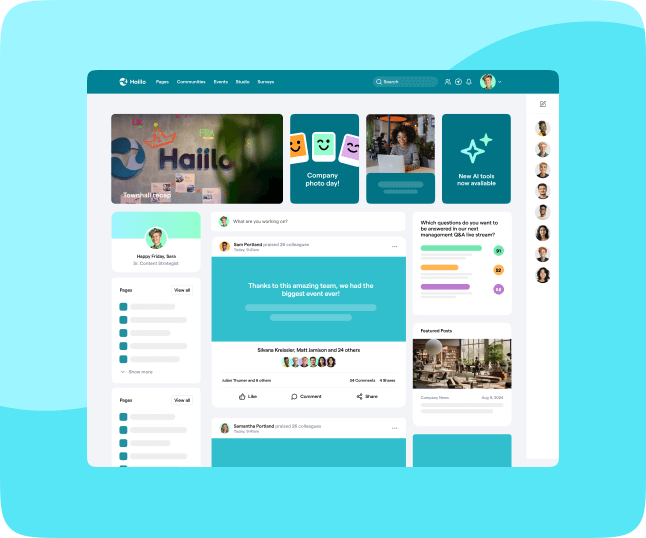
Platforms like Haiilo simplify this process by centralizing content, insights, and sharing while still preserving employee voice.
Conclusion: Why EGC advocacy is a strategic advantage
EGC advocacy is not a trend. It is a reflection of how trust is built today.
When organizations amplify employee generated content, they stop talking about themselves and start showing what they stand for through the people who know them best. Employees gain visibility and confidence. Audiences gain credibility and connection. Brands gain reach, trust, and relevance.
In a world where authenticity wins, EGC advocacy is one of the most powerful tools available.
About the author:
Sarah Goodall is the Founder of Tribal Impact, a specialist B2B social advocacy agency helping organizations shift their social media marketing strategies to the next level – Social Business. Sarah has spent 20+ years in B2B Marketing, most recently leading Social Business for SAP in EMEA where she trained over 3000 employees as part of the global Social Selling and advocacy program.
See how marketing can win back credibility in the age of mistrust
Frequently asked questions about EGC advocacy
What is the difference between EGC and employee advocacy?
Employee generated content refers specifically to content created by employees. Employee advocacy is broader and includes both creating original content and sharing existing company content. EGC advocacy sits at the overlap, where employees actively create and advocate through their own voice.
Is EGC advocacy only useful for large companies?
No. In fact, small and mid sized organizations often see faster results because employees feel closer to leadership and brand purpose. EGC advocacy works wherever trust and expertise exist.
How do you keep EGC on brand without over controlling it?
The key is guidance, not scripts. Clear principles, examples, and training help employees stay aligned while still sounding like themselves. Over control reduces engagement and credibility.
What types of employees should create EGC?
Anyone who wants to. While subject matter experts and customer facing teams often lead, some of the most engaging EGC comes from unexpected voices across the organization.
How do you measure the success of EGC advocacy?
Common metrics include reach, engagement, clicks, sentiment, and employee participation. Long term success is also reflected in trust, employer brand strength, and inbound interest.
Does EGC advocacy replace marketing content?
No. It complements it. Brand content provides structure and consistency. EGC advocacy adds humanity, reach, and credibility.